
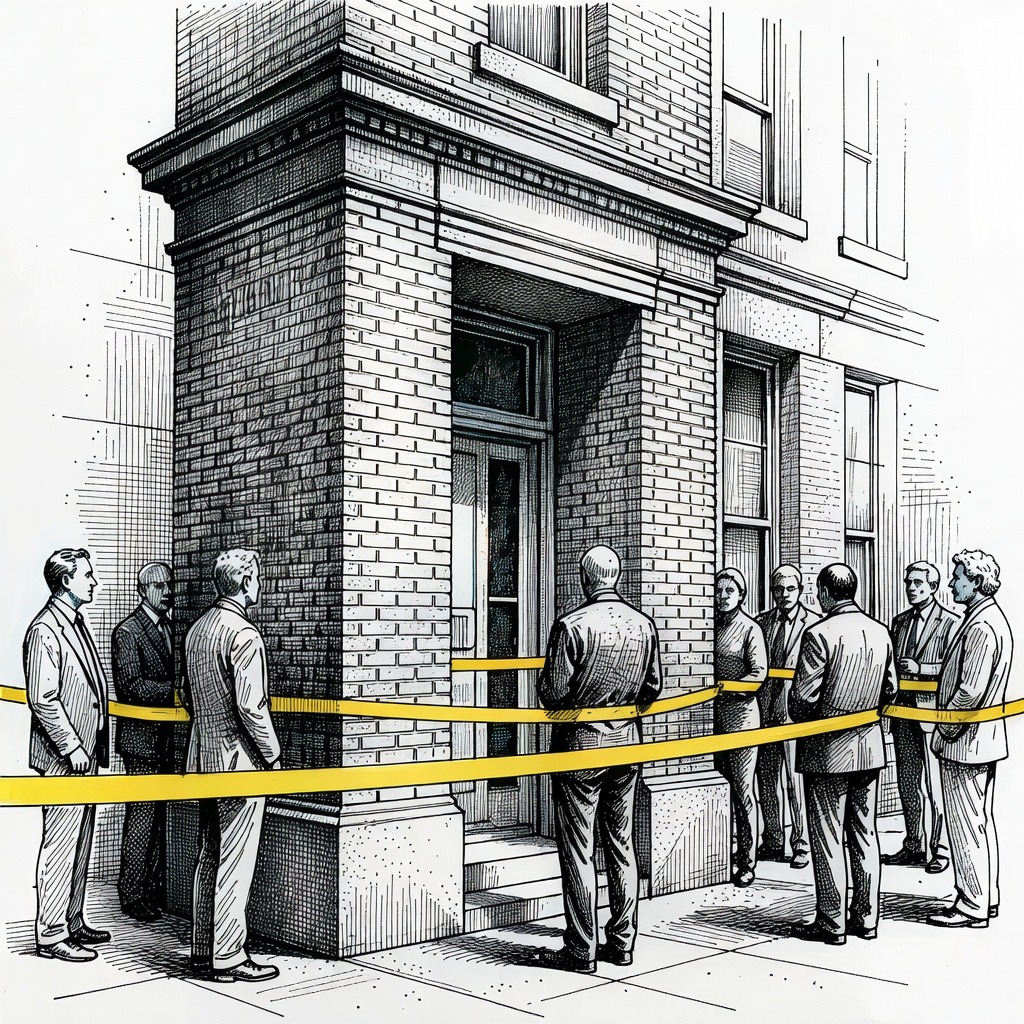
• Exposing Frontline Worker Vulnerability Prioritizing the protection of everyday people, this perspective views the deaths of the unnamed man and woman as a devastating failure of basic workplace security. Ordinary employees serving at a local Berea branch bore the ultimate, fatal cost of armed criminality while simply attempting to earn a living. This tragedy underscores how frontline workers are routinely forced to absorb the highest risks of systemic societal violence without adequate institutional safeguards.
• Spreading Collateral Community Trauma Emphasizing the broader psychological toll, this view focuses on the immediate, paralyzing ripple effects of localized violence. The necessity of locking down nearby schools and forcing parents to abruptly retrieve their children illustrates how an isolated shooting terrorizes the wider community. True social progress requires creating a public sphere where citizens and students are not routinely subjected to the sudden, traumatic disruptions of active threat lockdowns.
• Exhausting Reactive Justice Measures Valuing proactive harm reduction, this framework acknowledges the apprehension of a suspect but highlights the inherently retroactive nature of the state's response. While local police, the FBI, and the ATF mobilized a massive dragnet to detain a person of interest by Friday morning, this formidable effort could not reverse the loss of innocent life. Relying entirely on post-incident arrests masks a deeper systemic failure to prevent masked individuals from executing lethal violence in public spaces in the first place.
How it may affect me
As a U.S. reader:
• Frontline employees, particularly those in banking and public-facing roles, may face ongoing concerns regarding their vulnerability to armed violence and the adequacy of institutional workplace security safeguards.
• In the short term, residents in affected areas can expect sudden disruptions to their daily routines during active searches, including localized school lockdowns, mandatory parental pickups, and police directives to secure homes.
• Communities will likely continue to see reliance on retroactive, multi-agency law enforcement responses, which require citizens to assist local police, the FBI, and the ATF by monitoring neighborhoods for suspicious activity and reviewing released surveillance images.