
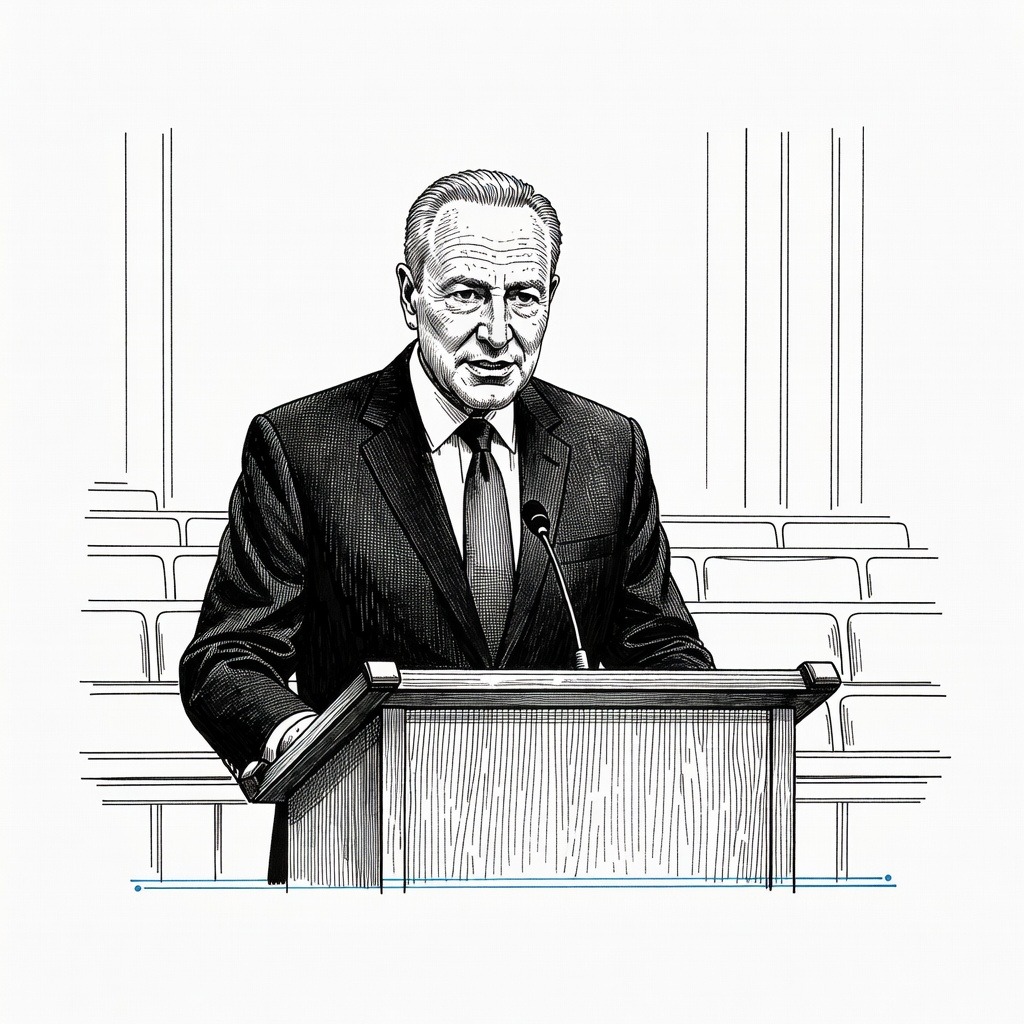
• Shielding Democratic Integrity The Left prioritizes government accountability and views internal prediction trading as a direct threat to uncorrupted public representation. By passing the immediate ban via unanimous voice vote, reformers aim to eliminate perverse incentives where lawmakers might govern or vote based on personal financial bets rather than public welfare. Senator Chuck Schumer’s explicit warning that gambling on elections or economic crises "damages representative government" reflects this core priority of protecting institutions from speculative extraction.
• Eliminating Systemic Blindspots True accountability requires extending ethical guardrails across the entire legislative ecosystem so that proxy actors cannot circumvent the rules. Senator Alex Padilla’s amendment to include Senate staff recognizes that the risk of corruption extends beyond elected officials to the unelected aides who actually draft and influence policy. This expansion serves to protect the vulnerable public by ensuring the entire policymaking apparatus is walled off from the profit motives of private betting markets.
• Halting Disaster Profiteering The progressive and humanitarian lens views the financialization of global instability as a grave moral hazard that incentivizes the wrong outcomes. Lawmakers' explicit concerns regarding wagers placed on international conflicts, such as a potential war with Iran, highlight the fear that these markets commodify human suffering and military escalation. From this perspective, allowing government insiders to bet on diplomatic failures or economic collapses creates a horrifying conflict of interest that fundamentally undermines the pursuit of social progress and peace.
How it may affect me
As a U.S. reader:
• In the short term, public policy and legislative decisions may be less influenced by the personal financial interests of lawmakers, as Senate members and staff are immediately barred from betting on elections, wars, or economic crises.
• Over the long term, national security and military readiness may be better protected from intelligence leaks, as federal employees and military personnel face strict crackdowns on using classified state secrets for private wagering.
• You may eventually see these restrictions applied to the entire federal government, as lawmakers have announced new legislation designed to prevent any federal elected official or employee from betting with insider information.
• Despite the trading bans placed on government insiders, everyday citizens will likely maintain access to commercial prediction platforms, as the current administration continues to support the private betting industry against state-level legal bans.