
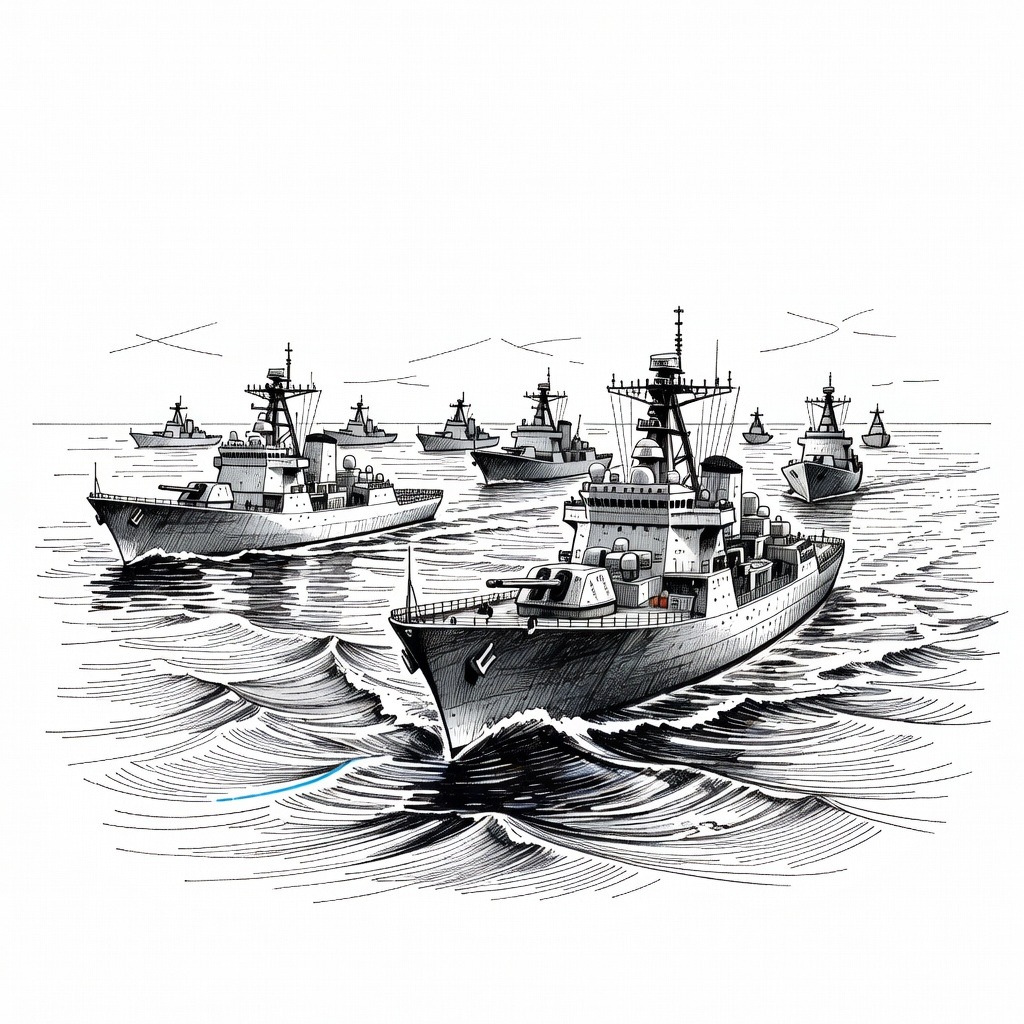
• Championing Multilateral Diplomatic Restraint Prioritizing international cooperation and de-escalation, this framework views the UK and France-led 30-nation initiative as the legitimate path to securing the Strait of Hormuz. Unilateral U.S. blockades are seen as counterproductive provocations that fracture global alliances. By attempting to establish a parallel "Maritime Freedom Construct," the U.S. risks undermining the broad, collective diplomatic architectures necessary for sustainable maritime security.
• Checking Manufactured Strategic Timelines Grounding foreign policy in objective intelligence, this camp relies on independent energy analysts who project Iranian storage capacity will endure for weeks or months. Assertions by President Trump and Secretary Bessent that Iran faces imminent infrastructure collapse within days are viewed with deep skepticism. Overstating the blockade's immediate impact is interpreted as a concerning attempt to artificially manufacture a crisis timeline to justify further military escalation.
• Shielding Global Socioeconomic Stability Valuing the fundamental economic security of civilian populations, this perspective centers on UN Secretary-General Guterres's warning of a 2026 global recession. Disrupting a vital chokepoint responsible for 20 percent of global energy supplies causes devastating collateral damage, already evidenced by benchmark oil prices hitting a four-year high. Prolonged military brinkmanship is judged as an unacceptable hazard that prioritizes geopolitical posturing over the economic survival of vulnerable global communities.
How it may affect me
As a U.S. reader:
• In the short term, you will likely experience higher domestic fuel and energy costs, as the disruption of a strait that processes 20 percent of global oil and natural gas has already driven benchmark oil prices to a four-year high.
• You may face sustained price increases and delays for various consumer goods, as global supply chains are being disrupted and will require months to fully recover even if all maritime restrictions are immediately lifted.
• In the long term, your personal financial and job security could be impacted by a broader economic downturn, as the United Nations warns that continuing this standoff through 2026 could trigger a global recession.
• You could see extended U.S. military and diplomatic resources committed to the Middle East, as the government maintains an active naval blockade and attempts to establish its own maritime coalition separate from similar efforts by European allies.