
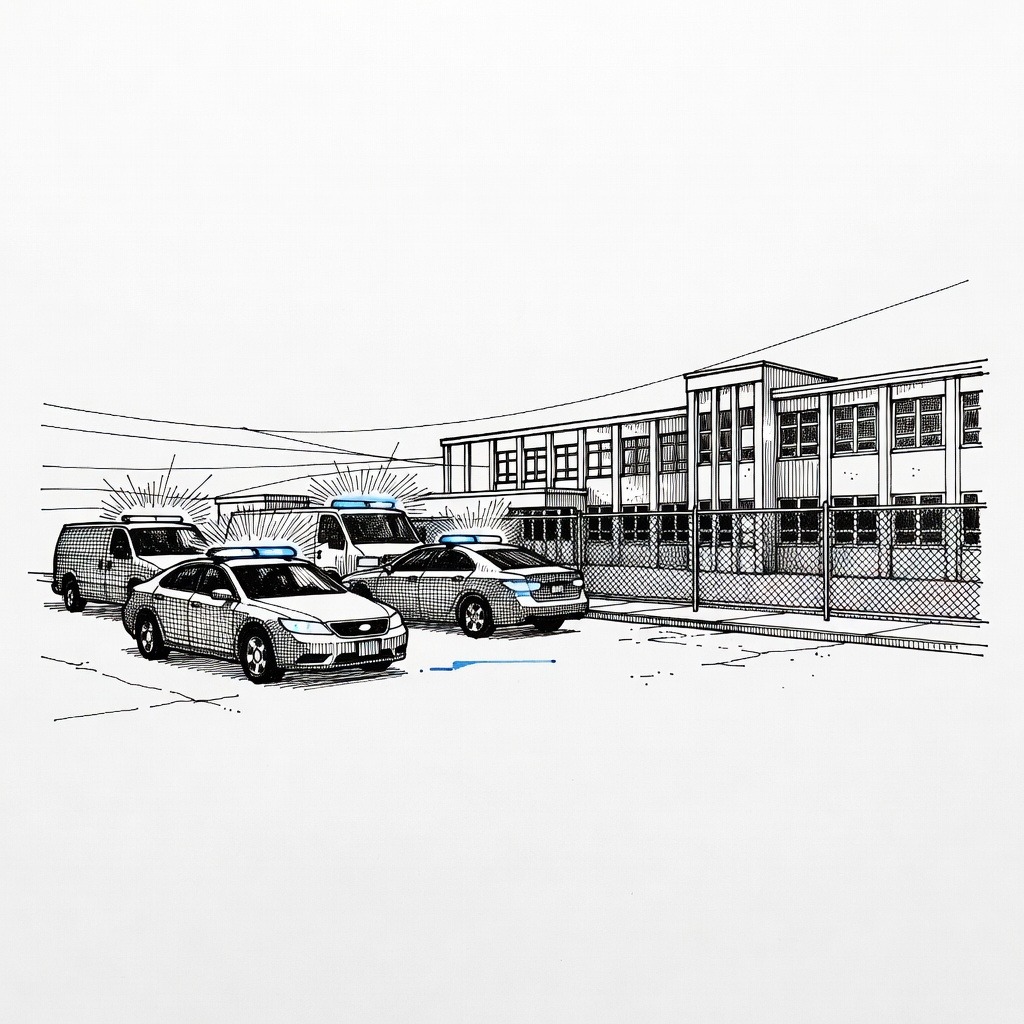
• Tragedy of Missed Interventions Prioritizing the protection of vulnerable youth, this framework views a severe student-on-student altercation as a catastrophic failure of social safety nets rather than an isolated crime. The fact that the suspect is a fellow student indicates unaddressed mental health crises or a hostile school climate that allowed tensions to fester into a reported stabbing at Foss High School. This camp perceives the five hospitalizations as proof that schools require proactive emotional support structures rather than relying solely on reactive security.
• Trauma of Reactive Containment Emphasizing community well-being and civil liberties, this perspective critiques the psychological toll of lockdowns and police-led responses on the broader student body. While acknowledging the organized parking lot reunification, the reliance on law enforcement to manage school conflicts highlights a troubling normalization of carceral environments in education. The presence of a detained, injured student being evaluated by fire personnel underscores a cycle of harm where educational spaces increasingly mimic the penal system instead of fostering restorative safety.
• Gamble of Punitive Escalation Viewing justice through an equity lens, this camp fears the immediate transfer of the student suspect into police custody sidelines necessary restorative and therapeutic approaches. By framing the incident solely as an active criminal investigation handled by detectives, the underlying sociological drivers of the violence risk being completely ignored. The long-term concern is that prioritizing strict penal accountability over rehabilitation will simply funnel another youth into the justice system without addressing the root causes to prevent future tragedies.
How it may affect me
As a U.S. reader:
• In the short term, parents and students may experience shifts in school emergency protocols as districts assess the balance between immediate physical containment tactics, such as lockdowns and security personnel, and proactive emotional support structures.
• Long-term public school funding and policy may be affected as communities debate whether to prioritize investments in robust law enforcement presence to deter violence or in mental health safety nets to address the root causes of student conflicts.
• The broader public may see evolving local approaches to juvenile justice as authorities weigh the necessity of strict penal accountability and zero-tolerance criminal investigations against the use of therapeutic, restorative rehabilitation for youth offenders.