
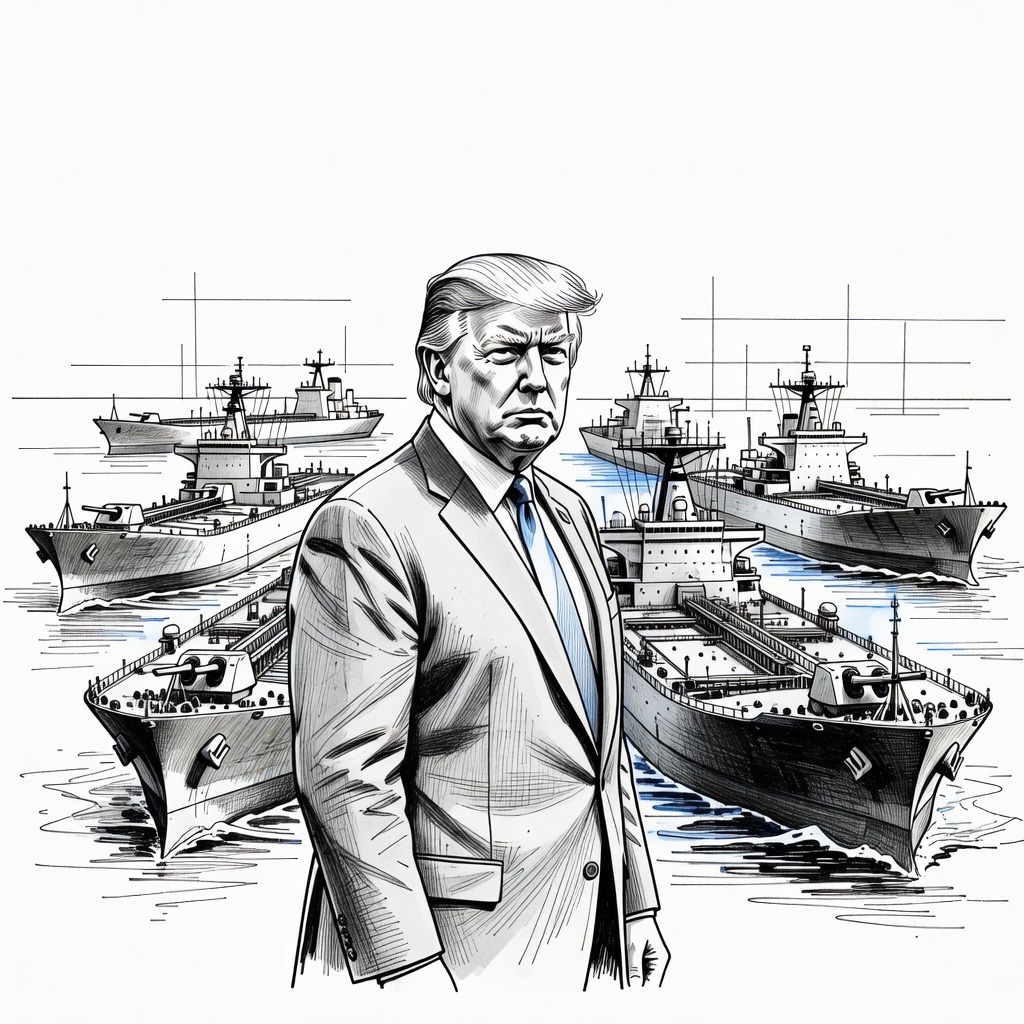
• Engine of Unnecessary Escalation Prioritizes diplomatic off-ramps over absolute capitulation. This framework views the U.S. rejection of a recent Iranian offer and the enforcement of a massive naval blockade as aggressive overreach that guarantees reciprocal hostility. By closing the Strait of Hormuz, Iran is demonstrating the predictable, destabilizing blowback of a zero-sum strategy that leaves a targeted adversary with no face-saving alternative but to retaliate.
• Dangerous Rhetorical Detachment Emphasizes the need for high-stakes foreign policy to remain anchored in objective, expert-verified reality. There is a stark contrast between the president’s assertion that Iranian oil infrastructure is days away from "exploding" and energy analysts who confirm Tehran possesses months of resilient storage capacity. This divergence highlights a structural danger, suggesting that military and economic tactics are being driven by political hyperbole rather than sound intelligence, massively increasing the risk of miscalculation.
• Catalyst for Global Shock Focuses on the widespread collateral damage caused by unilateral economic warfare. The strategy to forcefully drive Iranian oil revenues to zero is triggering a mounting global oil supply shock that penalizes the broader international community. Because industry experts confirm Tehran has a two-month buffer to manage unsold oil before severe production cuts occur, the administration is inflicting immediate global economic pain for delayed, uncertain diplomatic gains.
How it may affect me
As a U.S. reader:
• In the short term, the closure of the Strait of Hormuz and the resulting global oil supply shock are likely to cause market disruptions and immediate economic pain, which generally leads to higher fuel and energy costs for consumers.
• These economic and market disruptions could persist for an extended period, as industry analysts estimate Iran has enough storage capacity to sustain the current standoff for over two months before facing severe production cuts.
• In the long term, the ongoing naval blockade and the breakdown of diplomatic agreements increase the risk of military miscalculations and further retaliatory escalation involving American armed forces stationed in the region.