
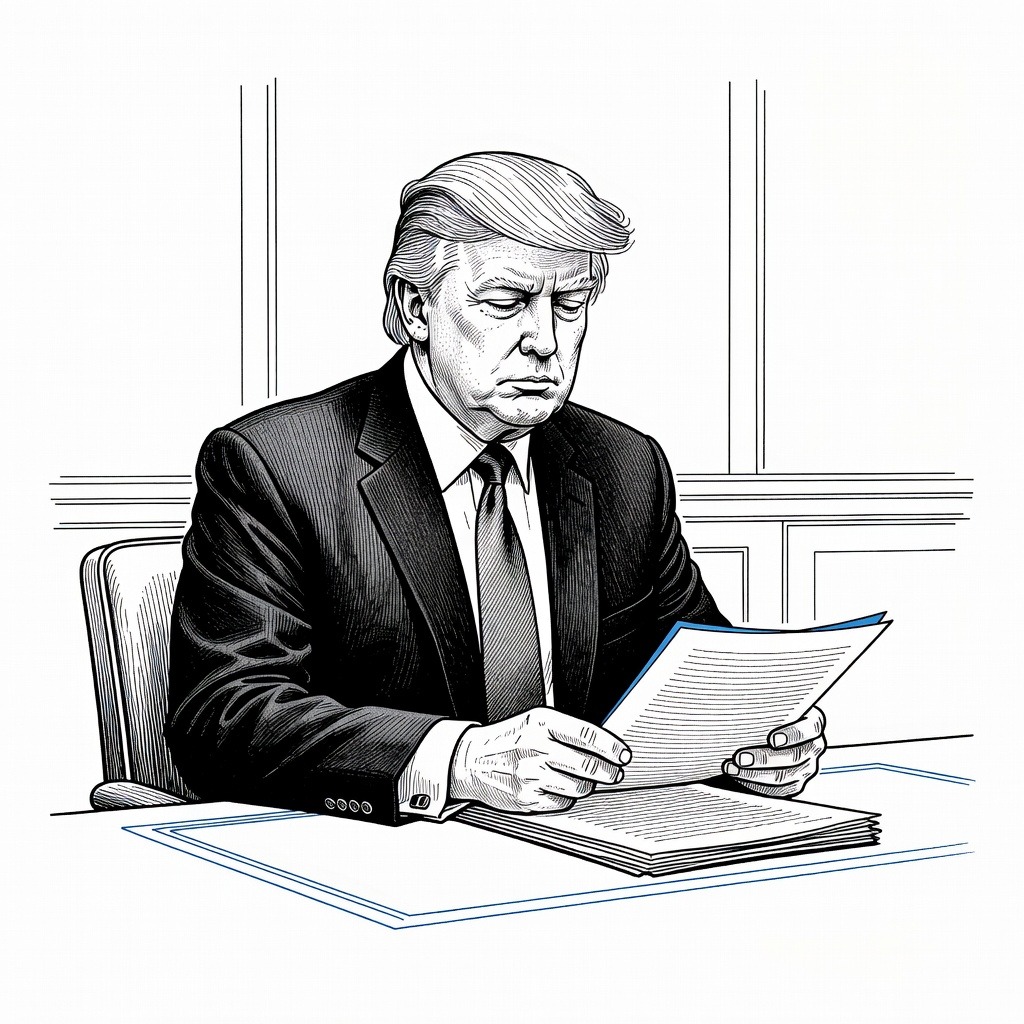
• Shield Stripped From Power The denial of Trump's request for an en banc hearing reinforces the foundational democratic principle that executive authority is not an absolute shield against personal accountability. By affirming that presidential immunity and government substitution arguments were introduced too late in the process, this framework celebrates the court's refusal to let procedural maneuvers protect a former leader from civil liability. The underlying priority is ensuring that legal institutions serve the public by applying the law equally, rather than insulating elites from the consequences of their actions.
• Consequences For Harassment Engine Valuing the protection of vulnerable individuals, this perspective sees the $83.3 million judgment as a necessary and proportional deterrent against the abuse of massive public platforms. Because the jury directly linked Trump's 2019 statements to the severe harassment, death threats, and physical fear experienced by E. Jean Carroll, the legal system is viewed as successfully performing its duty to protect a citizen from systemic intimidation. Exceptional financial penalties are framed as the only effective mechanism to force accountability on highly resourced figures capable of directing mass public vitriol.
• Defending Legal Finality As Carroll’s attorney expressed an eagerness to conclude the litigation, this camp views the persistent escalation of these cases as a deliberate exhaustion tactic used by the powerful to outlast victims. The fact that the U.S. Supreme Court is already evaluating a separate $5 million verdict raises concerns about the protracted nature of justice when combating well-funded defendants. The ultimate fear is that the highest court might eventually validate unprecedented executive immunity, unraveling the hard-won precedent that citizens can successfully challenge the institutional status quo and hold powerful men accountable for historical abuses.
How it may affect me
As a U.S. reader:
• In the long term, the expected escalation of this case to the U.S. Supreme Court could establish binding constitutional precedents regarding presidential immunity, which will dictate whether average citizens can hold future presidents civilly liable for public statements made while in office.
• The enforcement of the financial penalty reinforces a legal standard that could affect how civil liability is applied to highly resourced individuals whose use of massive public platforms is linked by juries to indirect third-party harassment and physical threats against private citizens.
• The protracted timeline of the judgments highlights short-term and long-term realities within the civil justice system, demonstrating how strict procedural rules regarding when legal defenses are introduced can impact a citizen's ability to finalize lawsuits against well-funded defendants.