
• Prioritizing Genuine Diplomatic Off-Ramps Prioritizing international stability requires engaging in good-faith de-escalation rather than sustaining indefinite military sieges. The administration's rejection of Iran’s proposal to end the war and lift the port blockade has fueled a global economic shock, briefly pushing Brent crude past $126 a barrel. This camp views the refusal to compromise as a failure of diplomacy that elevates global suffering, ignores concerns over international law, and unnecessarily prolongs a destructive conflict.
• Fracturing Vital Security Architecture Global security relies on the cohesion of democratic alliances, making the diplomatic dispute with Berlin deeply alarming. Retaliating against German Chancellor Friedrich Merz’s critiques by threatening to withdraw portions of the 36,000 U.S. troops stationed in Germany treats international stability as a transactional bargaining chip. This approach risks alienating vital European partners and eroding the long-standing collective defense network that historically prevents broader global conflicts.
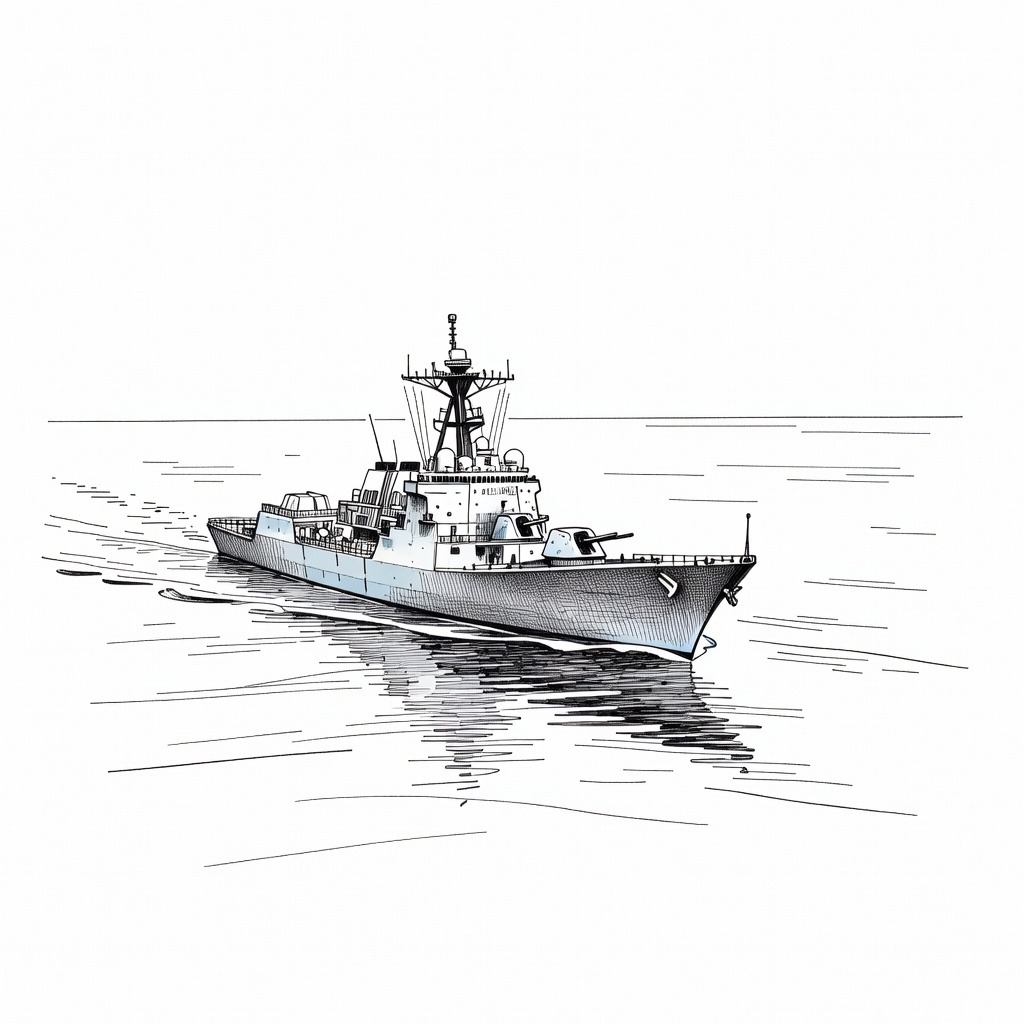
• Combating Runaway Militarized Expenditures Military force should be a heavily scrutinized last resort, yet current defense strategies are driving unprecedented capital extraction from domestic needs. The proposed $1.5 trillion military budget for 2027 and the $25 billion already sunk into this conflict demonstrate the catastrophic financial toll of an aggressive foreign policy. Furthermore, this approach is failing to actually demilitarize the region, evidenced by Iran's rapid deployment of new replacement warships, which traps the U.S. in a self-perpetuating arms race.
How it may affect me
As a U.S. reader:
• Surging global oil prices, with crude briefly surpassing 126 dollars a barrel due to the Strait of Hormuz conflict, will likely translate to higher fuel and energy costs for American consumers in the short term.
• The proposed 1.5 trillion dollar military budget for 2027 and the 25 billion dollars already spent on the war represent a massive long-term commitment of taxpayer dollars toward defense systems and weapons rather than domestic needs.
• The ongoing strategic review of the 36,000 active-duty American troops currently stationed in Germany may lead to near-term deployment changes, relocations, and logistical impacts for U.S. military personnel and their families.
• Iran's immediate effort to deploy new replacement warships and the stalling of diplomatic peace negotiations point to a prolonged international conflict, sustaining long-term operational demands and physical risks for U.S. armed forces.