
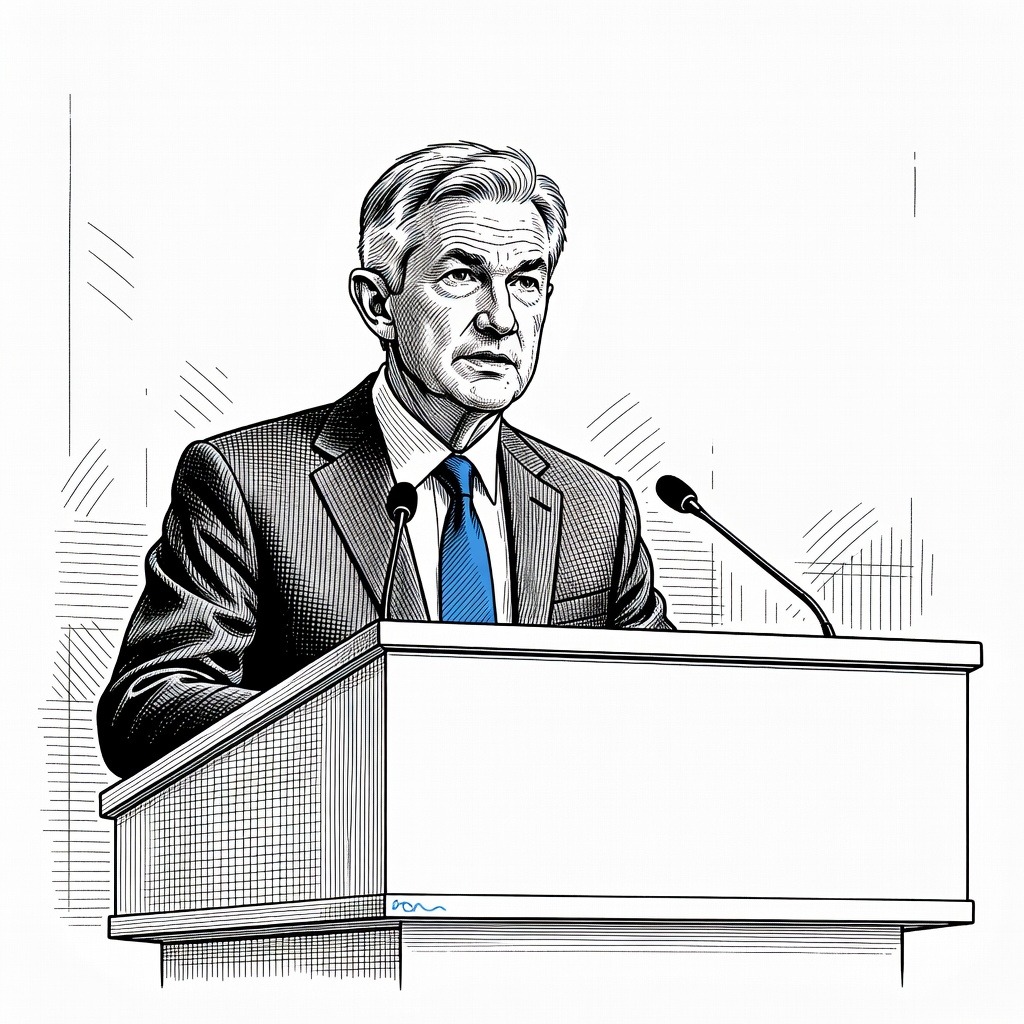
• Shield Against Institutional Extraction Protecting the central bank from political weaponization is paramount for this camp, framing Powell’s decision to remain on the board past May 15 as a necessary defense against elite extraction. By occupying a seat on the seven-member board, Powell successfully blocks President Trump from appointing a potentially compliant new member who might manipulate policy solely for corporate or electoral gain. This faction views the federal probe initiated by U.S. Attorney Jeanine Pirro as a coercive abuse of power, threatening the systemic fairness required for working-class prosperity.
• Squeeze on the Vulnerable Despite defending the central bank's independence, Consumer Advocates interpret the actual policy of holding rates at 3.5% to 3.75% for a third consecutive meeting as a failure that disproportionately harms everyday citizens. With households already battered by an Iran-driven oil shock and elevated global energy costs, maintaining high consumer borrowing costs acts as a regressive tax on basic survival. They strongly align with Governor Stephen Miran's dissent for a quarter-point rate cut, arguing that immediate relief for families must take precedence over rigid, institutional inflation-targeting.
• Gamble With Consumer Livelihoods Looking ahead, this camp fears the compounding damage of high borrowing costs paired with a prolonged, politically motivated standoff over the headquarters renovations investigation. They worry that an insulated Federal Reserve, while rightfully protected from presidential coercion, remains blind to the on-the-ground reality of working-class wealth extraction. The long-term risk is that incoming Chair Kevin Warsh will inherit a hollowed-out consumer base, where the institutional refusal to lower rates ultimately destroys the economic stability of the most vulnerable.
How it may affect me
As a U.S. reader:
• In the short term, you will continue to face high consumer borrowing costs for credit and loans, as the Federal Reserve has chosen to hold interest rates steady rather than provide immediate relief through a rate cut.
• Your household budget will have to navigate compounded financial pressure from these elevated interest rates alongside high fuel prices driven by the ongoing oil shock in Iran.
• Over the long term, the central bank's strategy of maintaining high rates aims to protect the economy from uncontrollable inflation and broader price instability, though this approach risks damaging the wealth and financial stability of working-class consumers over time.
• Because Jerome Powell is remaining on the board to block an immediate presidential appointment, you are less likely to see sudden, politically motivated changes to interest rate policies as incoming Chair Kevin Warsh takes over.