
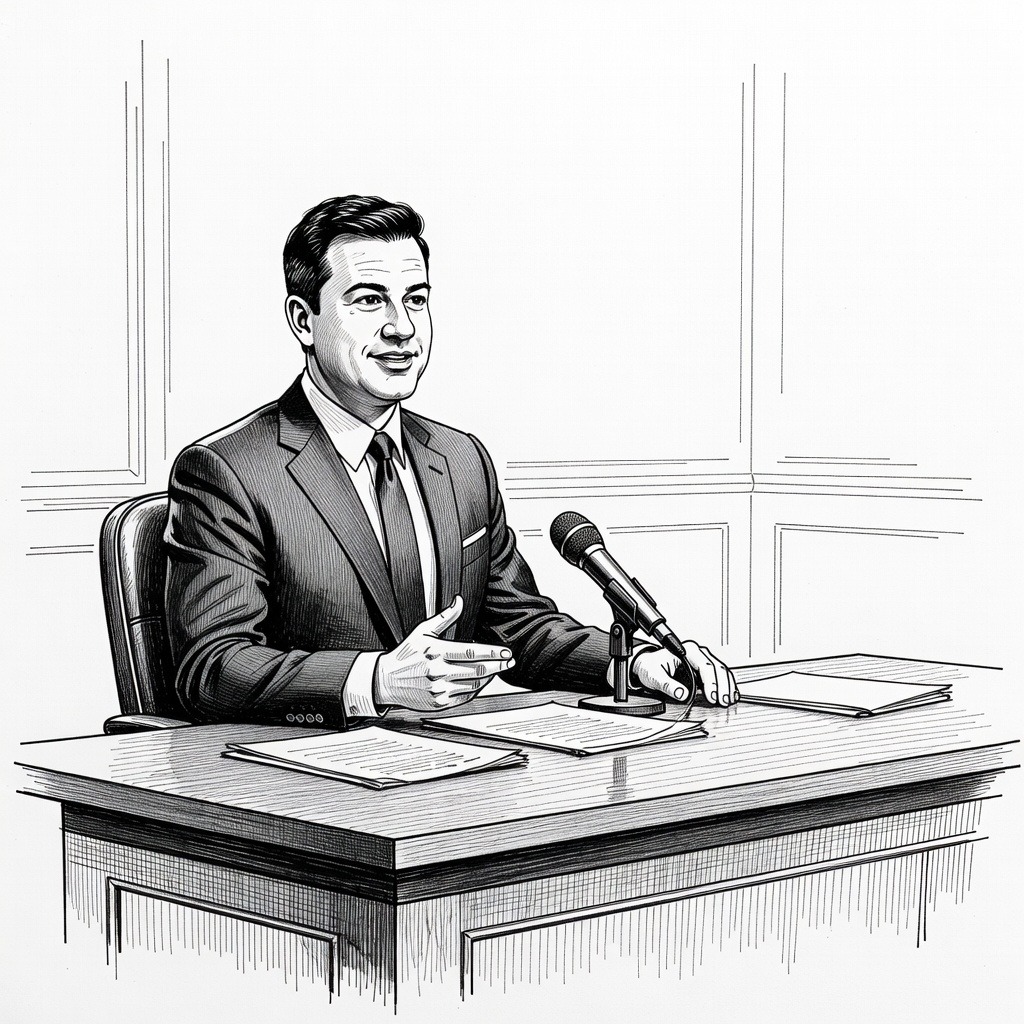
• Shielding the Democratic Discourse Prioritizes the uninhibited exercise of First Amendment rights and the protection of civil liberties from state intimidation. Interprets the demands to terminate Jimmy Kimmel over a late-night joke as a dangerous conflation of comedic critique with actual criminal incitement. By emphasizing Jake Tapper's point that no evidence connects the joke to the alleged assassin, this camp views the conservative backlash as a bad-faith effort to weaponize a tragedy to silence critical voices.
• Checking Executive Retaliation Focuses on guarding media independence against the political weaponization of federal institutions. Perceives the FCC’s initiation of a broadcast license review as a blatant abuse of regulatory power intended to punish political opponents. Because FCC Chairman Brendan Carr explicitly linked the review to the Kimmel controversy and the company's internal diversity, equity, and inclusion programs, this side argues the administration is orchestrating a coordinated, ideological crackdown on progressive values.
• Preventing Systemic Chilling Effects Fears the long-term establishment of a media ecosystem dictated by government coercion rather than free expression. Warns that if the parent company fails to defend its First Amendment rights against regulatory threats, corporate self-censorship will inevitably become the industry standard. The ultimate risk is a sterilized press and entertainment landscape that abandons its societal role to avoid existential, state-sponsored threats to its operational licenses.
How it may affect me
As a U.S. reader:
• In the short term, television audiences may notice a shift in the tone of late-night comedy and political news as networks navigate scrutiny over broadcast rhetoric that critics argue normalizes violence.
• Viewers could be affected by the outcome of a high-profile legal battle between media conglomerates and the federal government over operational licenses and the boundaries of First Amendment protections.
• The ongoing FCC review might force broadcasters to standardize their disciplinary actions, altering how conservative and progressive television personalities are penalized following controversial remarks.
• In the long term, federal regulatory pressure could lead to corporate self-censorship, potentially leaving the public with a more restricted and sanitized entertainment and journalistic landscape.
• Citizens may also see changes to internal corporate structures across the media industry, as regulators are actively factoring diversity, equity, and inclusion programs into their evaluations of broadcast operations.