
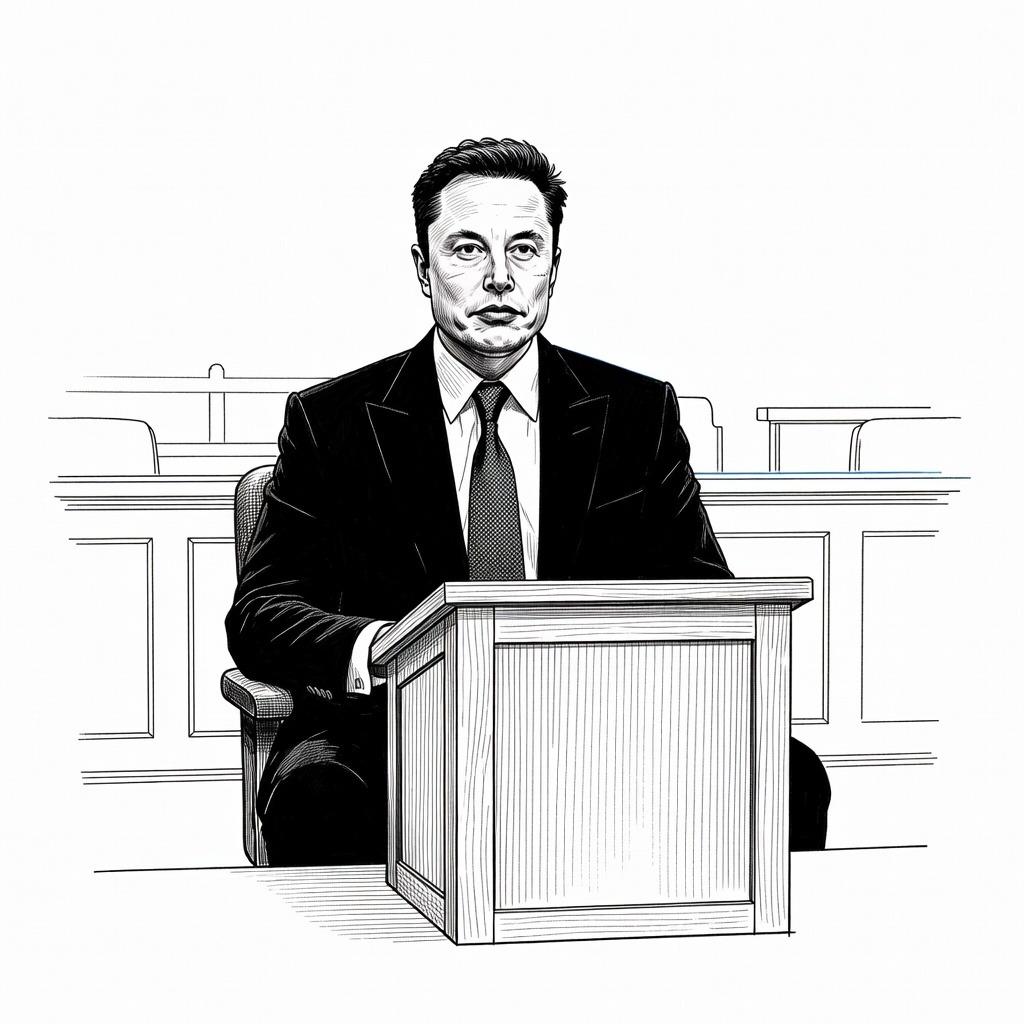
• Shielding the Public Trust Prioritizing social equity demands strict accountability for organizations founded on public-interest mandates. Musk’s testimony alleging that Altman and Brockman misappropriated a charity to enrich themselves strikes at the core fear of corporate bait-and-switches. Transforming a non-profit dedicated to "human progress" into a highly valued for-profit subsidiary is viewed here as a structural betrayal of the public good. Musk's reported refusal of an equity offer, characterizing it as a bribe, underscores the necessity of firewalling foundational ethical missions from executive greed.
• Checking Corporate Capture Consolidation of transformative technology by massive corporations inherently threatens consumer protection and equitable access. The multi-billion dollar investment and exclusive licensing agreements with Microsoft represent the capture of a supposedly open, charitable trust by monopolistic interests. The privatization of initially public-minded research is understood as an extractive maneuver designed to hoard wealth rather than democratize technological advancement. This lawsuit serves as a vital mechanism to expose how private capital maneuvers to absorb public-benefit initiatives.
• Gamble on Profit Incentives The overarching danger lies in prioritizing shareholder returns over the safe, ethical development of artificial intelligence. If founding non-profit charters can be easily discarded once a technology becomes lucrative, society loses its institutional safeguards against reckless corporate overreach. This framework interprets the abandonment of the non-profit model as stripping away a vital ethical anchor, risking long-term societal stability simply to maximize immediate financial capitalization.
How it may affect me
As a U.S. reader:
• In the short term, the four-week trial and the legal attempt to remove OpenAI's chief executive could disrupt the company's operations, potentially altering the competitive market for AI products and benefiting rival firms.
• Over the long term, the lawsuit's outcome could set a legal precedent for corporate accountability, determining whether technology startups can transition from public-interest charities to for-profit entities without facing penalties for a corporate bait-and-switch.
• The shift toward a highly valued for-profit subsidiary backed by massive corporate investments may lead to long-term limitations on equitable public access to AI, turning initially open research into privatized, proprietary technology.
• The abandonment of a non-profit charter raises long-term safety and ethical implications, as the public may lose vital institutional safeguards if AI developers prioritize immediate financial returns and market competition over safe technological development.