
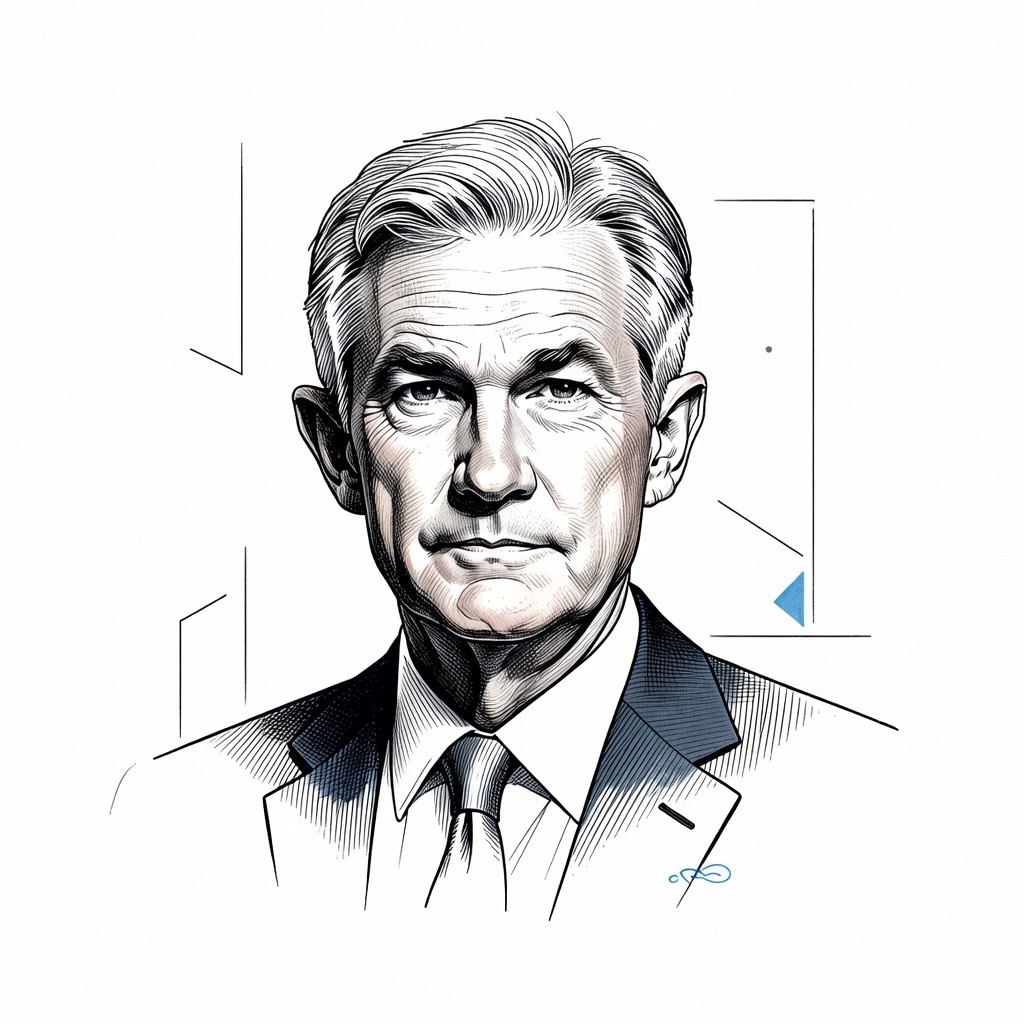
• Squeezing the Consumer Base Maintaining unchanged benchmark rates is viewed as a heavy-handed policy that primarily burdens the working class through expensive mortgages and high credit costs. While curbing persistent inflation is a shared necessity, relying on a "resilient labor market" to justify stalled rate cuts is seen as penalizing worker success to satisfy an arbitrary two percent target. This approach prioritizes abstract macroeconomic cooling over the immediate financial relief needed by everyday citizens navigating high energy and living expenses.
• Gambling on Tech Narratives Kevin Warsh’s theory that artificial intelligence will naturally solve the inflation puzzle is viewed with deep skepticism as a corporate-centric, trickle-down mindset. Trusting productivity gains from the tech sector to single-handedly lower prices ignores the potential displacement of human labor and widening wealth gaps. Relying on AI efficiency to dictate macroeconomic interest rate policy risks prioritizing corporate capital returns over equitable wage distribution and grounded economic stability.
• Guarding Institutional Firewalls Defending the Federal Reserve’s autonomy is critical to preventing the weaponization of monetary policy against the vulnerable. The revelation of a political pressure campaign to force lower interest rates highlights the danger of elected officials manipulating the economy for short-term electoral gains. Warsh’s explicit pledge to reject presidential directives serves as a vital safeguard, ensuring policy decisions are driven by objective economic data rather than political expediency that could ignite regressive inflation.
How it may affect me
As a U.S. reader:
• In the short term, everyday borrowing costs for mortgages and credit lines will remain expensive, as the central bank prioritizes halting inflation and preserving purchasing power over immediate financial relief.
• Over the long term, future decreases in interest rates may rely on business productivity gains from artificial intelligence, which could lower consumer costs but also brings potential risks of job displacement and wealth inequality.
• The transition in leadership to Kevin Warsh is expected to maintain the central bank's political independence, meaning the policies governing the nation's money supply will be based on economic data rather than presidential directives or election cycles.