
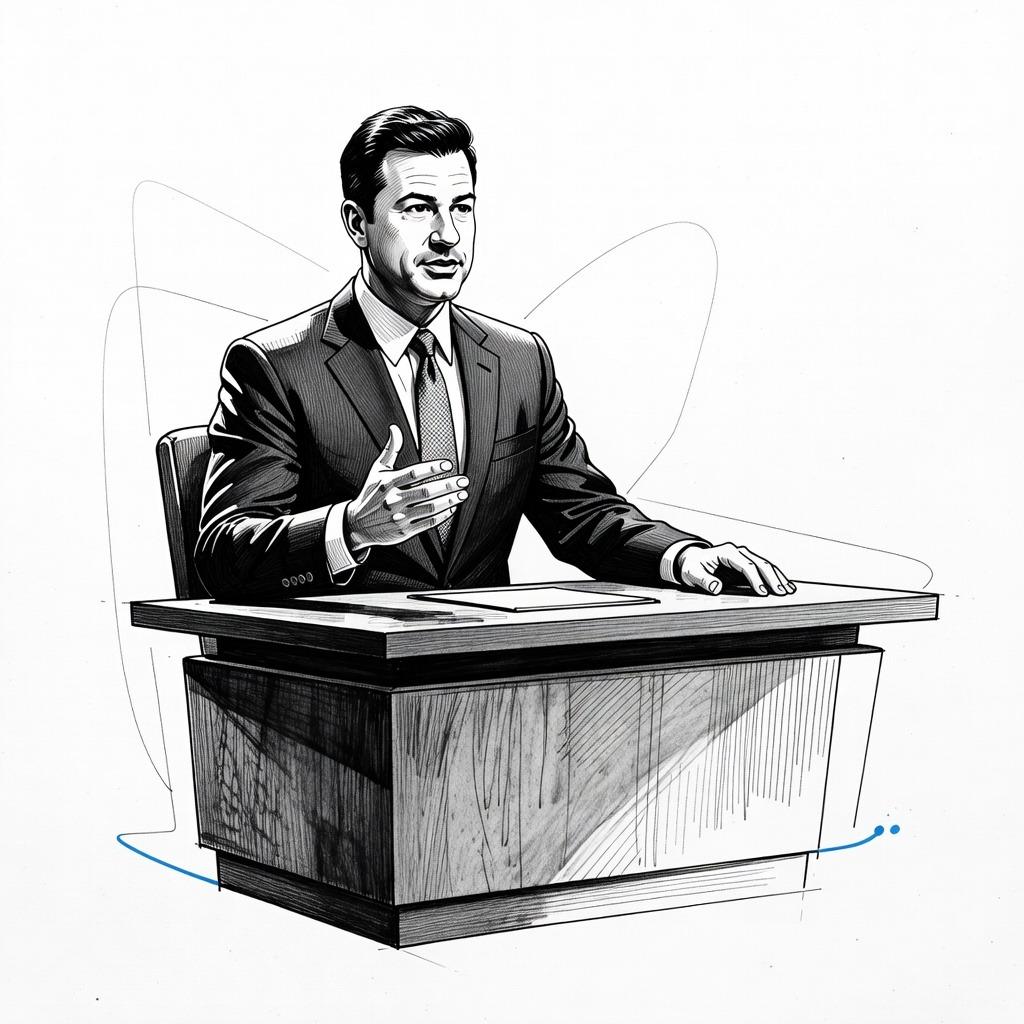
• Weaponizing the Regulatory Apparatus Valuing government accountability and the First Amendment, this camp views the FCC's accelerated license renewal as a direct abuse of executive authority. Because the May 28 deadline closely follows President Trump's demand that Disney terminate Jimmy Kimmel, reformers perceive the regulatory action as retaliatory extortion. The underlying priority is protecting media entities from being punished by the state for platforming political dissent.
• Distorting Civil Rights Mandates Protecting marginalized groups requires upholding the original intent of anti-discrimination laws, which this side believes the FCC is subverting. By launching a March 2025 investigation into Disney's diversity, equity, and inclusion (DEI) practices, the agency is twisting the Communications Act of 1934 into a tool to dismantle corporate social progress. This camp interprets the stated rationale as a bad-faith pretext designed to mask political grievances under the guise of legal compliance.
• Chilling an Independent Press The ultimate fear is the normalization of viewpoint discrimination and the erosion of journalistic independence. When FCC Chairman Brendan Carr utilizes regulatory leverage following Kimmel's "expectant widow" joke or past comments about Charlie Kirk, it creates a chilling effect on all broadcast speech. Amplifying Commissioner Anna Gomez's critique of the move as an "unlawful political stunt," this perspective warns that conditioning public broadcast licenses on executive approval destroys the foundational democratic role of a free press.
How it may affect me
As a U.S. reader:
• In the short term, you may notice changes in late-night comedy and political commentary on broadcast networks, as stations might alter their programming to avoid regulatory scrutiny over politically volatile remarks.
• Long-term access to specific local ABC television stations could be impacted if the accelerated review process ultimately results in the revocation or alteration of Disney's broadcast licenses.
• You might observe shifts in the corporate operations of major media companies, as the investigation into Disney could pressure other broadcasters to modify or abandon their diversity, equity, and inclusion practices to align with new federal enforcement actions.
• Over time, the broader media landscape available on public airwaves may change as regulators establish new precedents regarding the boundary between protected journalistic free speech and civic standards against incitement.