
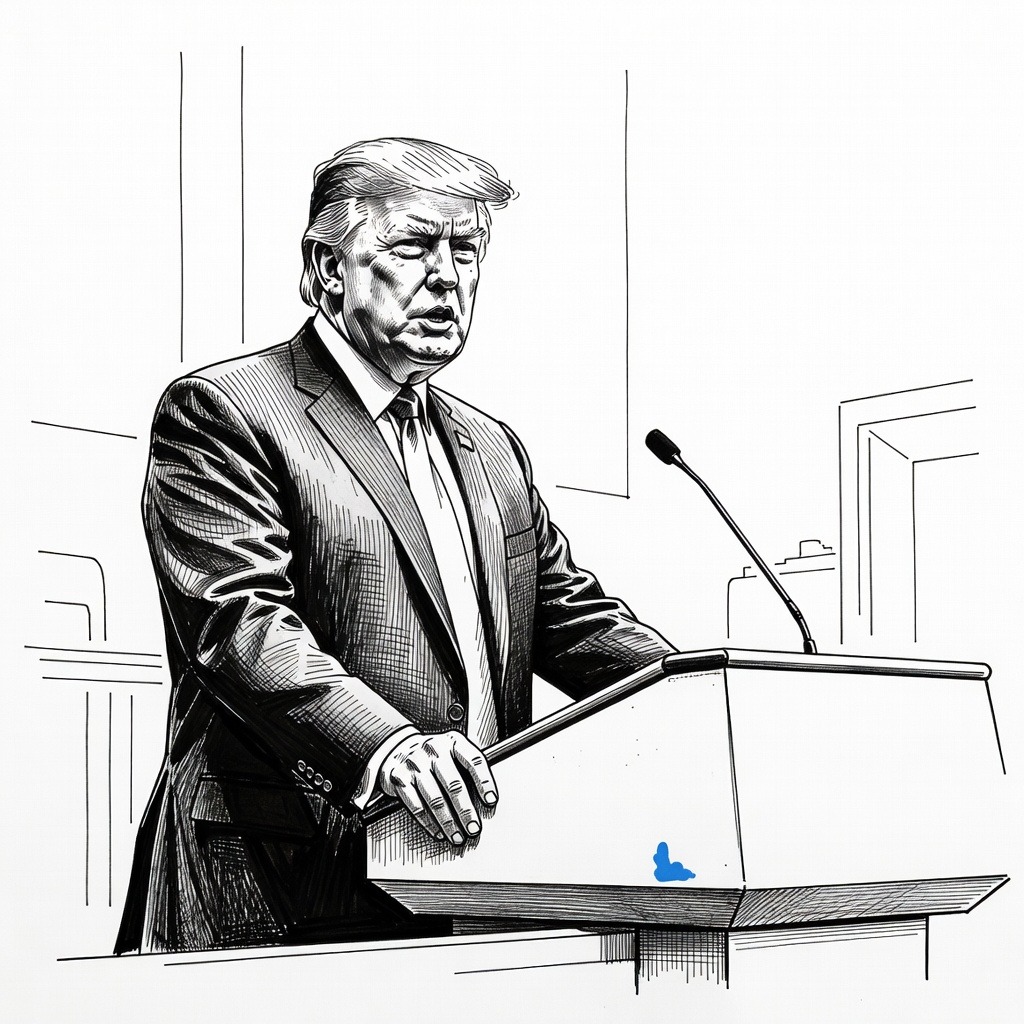
• Leverage for Systemic Accountability Civil liberties and government accountability must take precedence over the automatic renewal of federal budgets. The fatal January shooting of U.S. citizens by federal agents in Minneapolis represents a severe breach of public trust that demands immediate structural immigration enforcement reforms. Withholding funding from ICE and Customs and Border Protection acts as an essential democratic lever to force this necessary change. Authorizing capital for these specific agencies without securing operational reforms would represent a tacit endorsement of institutional violence.
• Targeted Funding Guards Governance Responsible public administration requires distinguishing between necessary civic services and unchecked enforcement bodies. The Senate legislation balances these priorities by attempting to fund the broader, non-controversial components of the Department of Homeland Security while isolating the problematic immigration agencies for review. By rejecting this targeted measure, House Republicans demonstrate a preference for institutional gridlock over functional governance. This refusal indicates an agenda focused more on protecting an unaccountable enforcement apparatus than on pragmatically managing state resources.
• Resisting Weaponized Security Panics Isolated law enforcement incidents must not be used to bulldoze legitimate human rights concerns and systemic reform efforts. The recent checkpoint breach at the White House Correspondents' Association dinner is being leveraged to manufacture urgency and collapse the standoff before the May funding cliff. Capitulating to this pressure risks establishing a precedent where fundamental civil rights demands are perpetually sidelined by immediate security anxieties. Sustainable safety requires addressing root institutional abuses, rather than utilizing fear to aggressively fund the status quo.
How it may affect me
As a U.S. reader:
• Short-term operations of domestic security agencies, including the Transportation Security Administration, could face disruptions by early May when the emergency funds currently paying personnel are projected to run out.
• Federal border management and immigration enforcement operations may be immediately limited or altered due to the ongoing legislative withholding of funds for Customs and Border Protection and Immigration and Customs Enforcement.
• The prolonged funding lapse may create short-term domestic security vulnerabilities by straining the operational readiness and unified response capabilities of various federal law enforcement networks.
• In the long term, this standoff may establish a structural precedent in governance where baseline funding for core public safety and defense agencies is routinely delayed to leverage broader systemic policy reforms.