
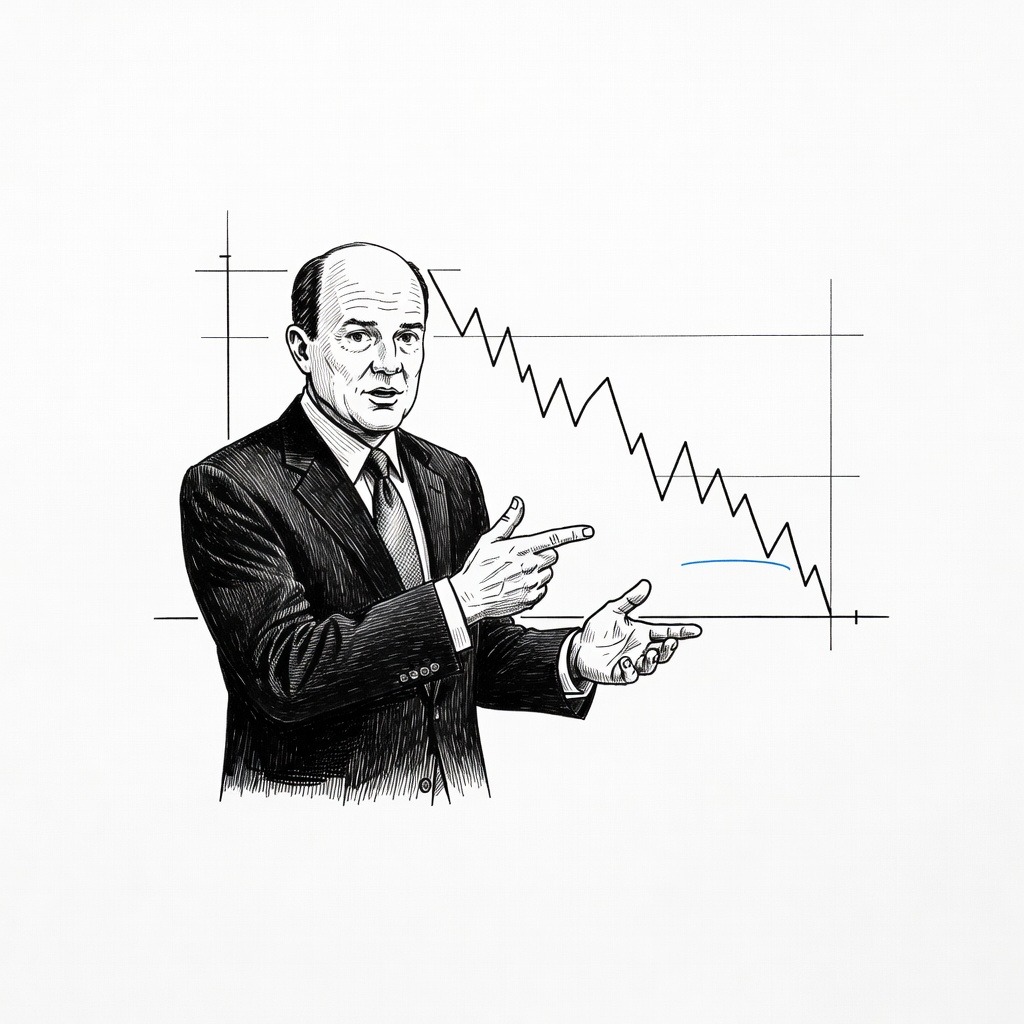
• Expose the Growth Illusion The revelation that OpenAI missed its internal growth targets exposes the fragile, speculative nature of the current artificial intelligence boom. This framework views the rapid, parabolic gains of hardware companies like Nvidia, Arm, AMD, and Dell as symptoms of corporate hyperbole rather than reflections of sustainable economic utility. When fundamental spending concerns immediately trigger a sector-wide retreat, it highlights the severe misallocation of capital driven by promises rather than proven consumer or societal benefit.
• Condemn Speculative Casino Dynamics The massive deployment of $648 million into call options for Nvidia reveals a deeply financialized market detached from underlying economic realities. Prioritizing highly leveraged, short-term bets over the actual data regarding sector-wide spending concerns illustrates a systemic preference for high-risk wealth extraction. Market participants anticipating an immediate 10 percent price movement or a 21 percent surge to $260 by 2027 are treating technological development as a gambling vehicle, prioritizing speculative hoarding over equitable technological integration.
• Reject the Correction Rationalization Framing this structural market retreat as an "inevitable and necessary reset" serves primarily to normalize extreme volatility and protect elite institutional narratives. This perspective views advice to purchase stocks at "discounted rates" following a massive parabolic run as a dangerous trap for the retail public. The core risk is that vulnerable, everyday investors are lured into providing exit liquidity for institutional players who are quietly unwinding their positions in an over-leveraged, inflated tech bubble.
How it may affect me
As a U.S. reader:
• In the short term, you may see decreased values in your personal stock portfolios or retirement accounts due to the sudden sector-wide sell-off of major technology and semiconductor companies.
• If you manage your own investments, you face a practical decision regarding buying these targeted stocks at a lower price, which offers a long-term opportunity to accumulate discounted assets but carries the risk of financial loss if the current AI market is a fragile bubble.
• The long-term development and availability of consumer AI products may shift as market pressures force companies to strictly tie their infrastructure spending to verifiable performance milestones rather than speculative growth promises.