
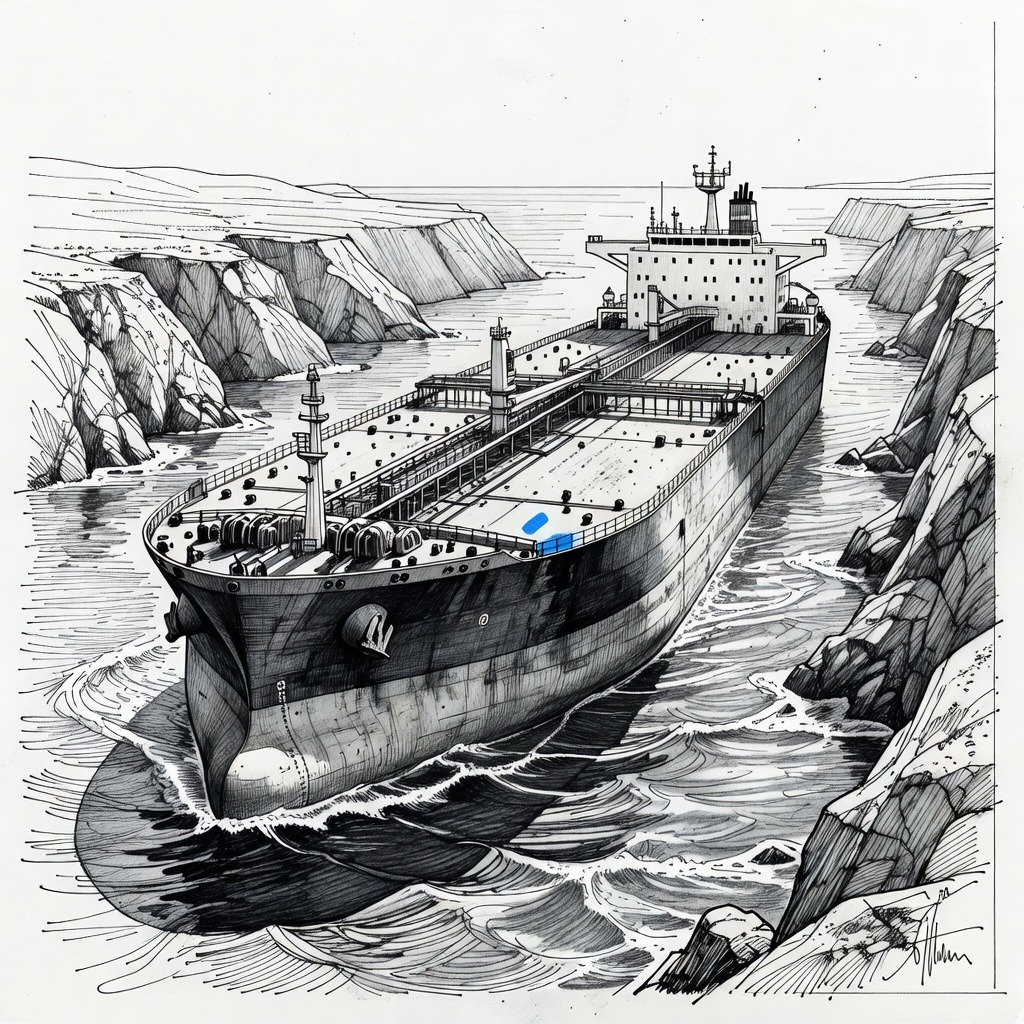
• Prioritize Immediate Diplomatic Off-Ramps Values urgent de-escalation to relieve compounding global economic and social strain. Views the White House’s reluctance to actively consider Iran’s proposal for mutually lifting Strait of Hormuz restrictions as a dangerous diplomatic failure. With Brent Crude surging past $112 a barrel and EU jet fuel shortages looming, this framework argues that rigid military brinkmanship inflicts unacceptable collateral damage on everyday global citizens.
• Center the Civilian Toll Focuses on the severe human cost of prolonged regional hostilities, pointing directly to the one million displaced residents in Lebanon as the true metric of the crisis. Interprets the U.S. president's unilateral cancellation of the Islamabad peace talks as a profound abandonment of humanitarian duty. This camp views military stalemates as inherent failures that consistently victimize vulnerable populations while failing to yield tangible security.
• Reject Symptomatic Energy Fixes Interprets the UAE's May 1 withdrawal from OPEC as a desperate symptom of a fracturing, conflict-driven global order rather than a viable long-term solution. Fears that relying on unilateral production hikes to offset the eight-week conflict ignores the root cause of the crisis: an overreliance on military escalation. Warns that dismissing diplomatic negotiations in favor of volatile economic band-aids guarantees perpetual instability and future geopolitical supply shocks.
How it may affect me
As a U.S. reader:
• In the short term, you will likely face higher costs for gasoline and everyday goods, as domestic oil prices have already surpassed $101 a barrel due to the ongoing U.S. conflict with Iran and supply blockades.
• In the long term, the UAE withdrawing from OPEC on May 1 to increase its oil production could boost global supply, potentially helping to stabilize and lower energy prices for American consumers.
• If you are planning international travel, especially to Europe, you may experience higher airfares or flight disruptions due to the impending jet fuel shortages warned of by European officials.
• Because the U.S. has canceled peace talks and is prioritizing military deterrence over immediate diplomatic agreements, you should expect this global economic friction and market volatility to persist for the foreseeable future.