
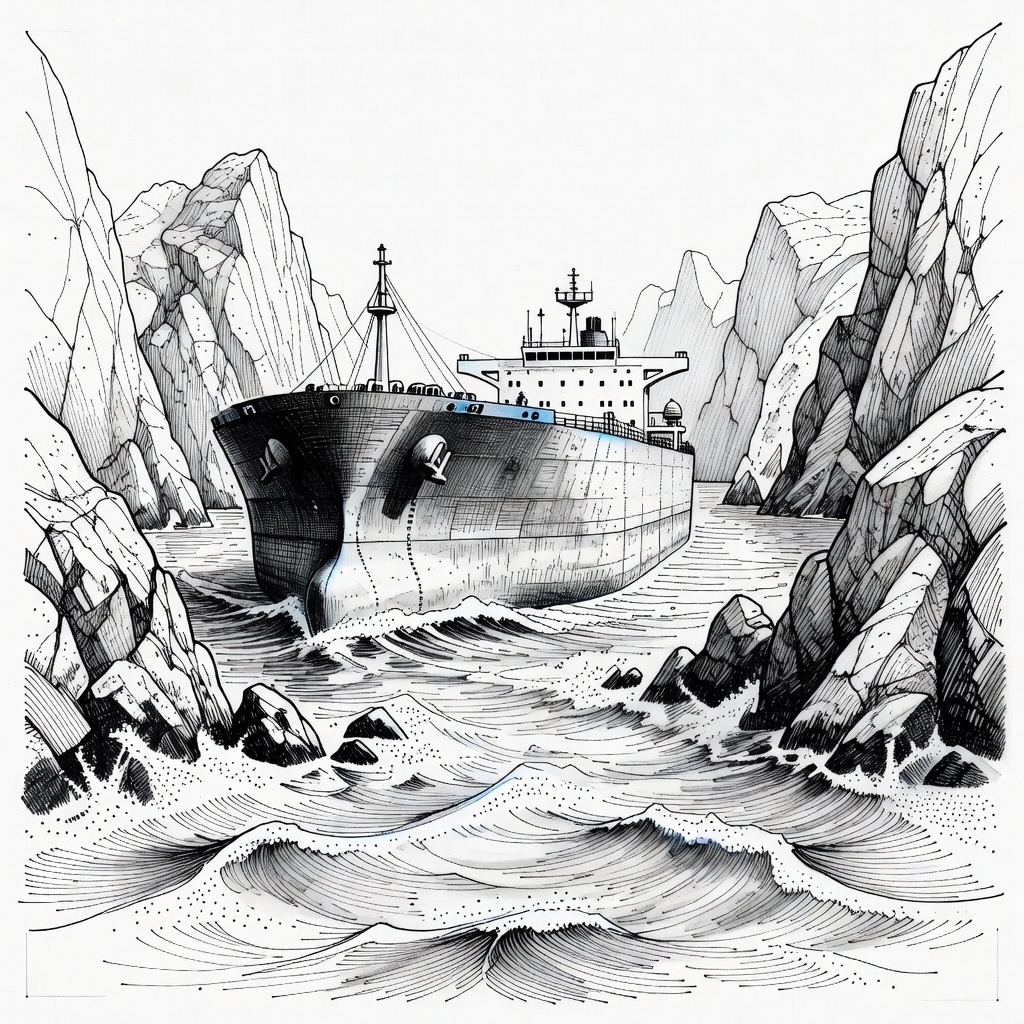
• Prioritize Immediate Diplomatic De-escalation Valuing conflict resolution over brinkmanship, this framework views the cancellation of peace negotiations in Pakistan and Secretary Rubio’s dismissal of Iran’s proposal as a critical failure of statecraft. By rejecting a mutual lifting of maritime restrictions to force immediate nuclear concessions, the administration is actively squandering a viable diplomatic off-ramp. Continuing an active military standoff without opening avenues for dialogue guarantees a prolonged crisis and increases the likelihood of devastating miscalculations in the Strait of Hormuz.
• Shield Global Market Stability Protecting international commerce and the global economy from systemic shocks is paramount when assessing the collateral damage of military posturing. The ongoing tit-for-tat ship seizures by both CENTCOM and the IRGC have needlessly driven Brent Crude above $112 a barrel and WTI past $101. Viewing these disruptions as a direct failure of foreign policy, this perspective argues that aggressive containment strategies ultimately punish global consumers and force drastic, destabilizing market shifts like the UAE's sudden exit from OPEC.
• Avert Unplanned Escalation Spirals Fearing the unpredictable and tragic consequences of a military-first approach, this camp interprets German Chancellor Friedrich Merz’s critique as a vital warning regarding allied isolation. The lack of a clear exit strategy following the February military strikes has trapped the U.S. in a reactive, humiliating cycle of maritime blockades. Without a defined, diplomatic path to normalize relations or restore safe transit through the strait, the U.S. risks stumbling into a broader regional war that will carry an immense human toll.
How it may affect me
As a U.S. reader:
• In the short term, you will likely experience higher prices for gasoline and home energy, as the ongoing maritime standoff has disrupted energy markets and driven West Texas Intermediate crude oil prices over 101 dollars a barrel.
• You may face increased costs and delays for everyday consumer goods, since mutual blockades and ship seizures in the Strait of Hormuz are actively disrupting global shipping and international commerce.
• Looking ahead to the longer term, your energy costs could eventually stabilize or see price adjustments after May, when the United Arab Emirates is scheduled to leave OPEC to increase global oil production in response to current market pressures.
• There is a sustained risk of deeper U.S. military involvement and the potential human toll of a broader regional conflict, as diplomatic peace talks have stalled and both nations continue aggressive naval interventions without a clear exit strategy.