
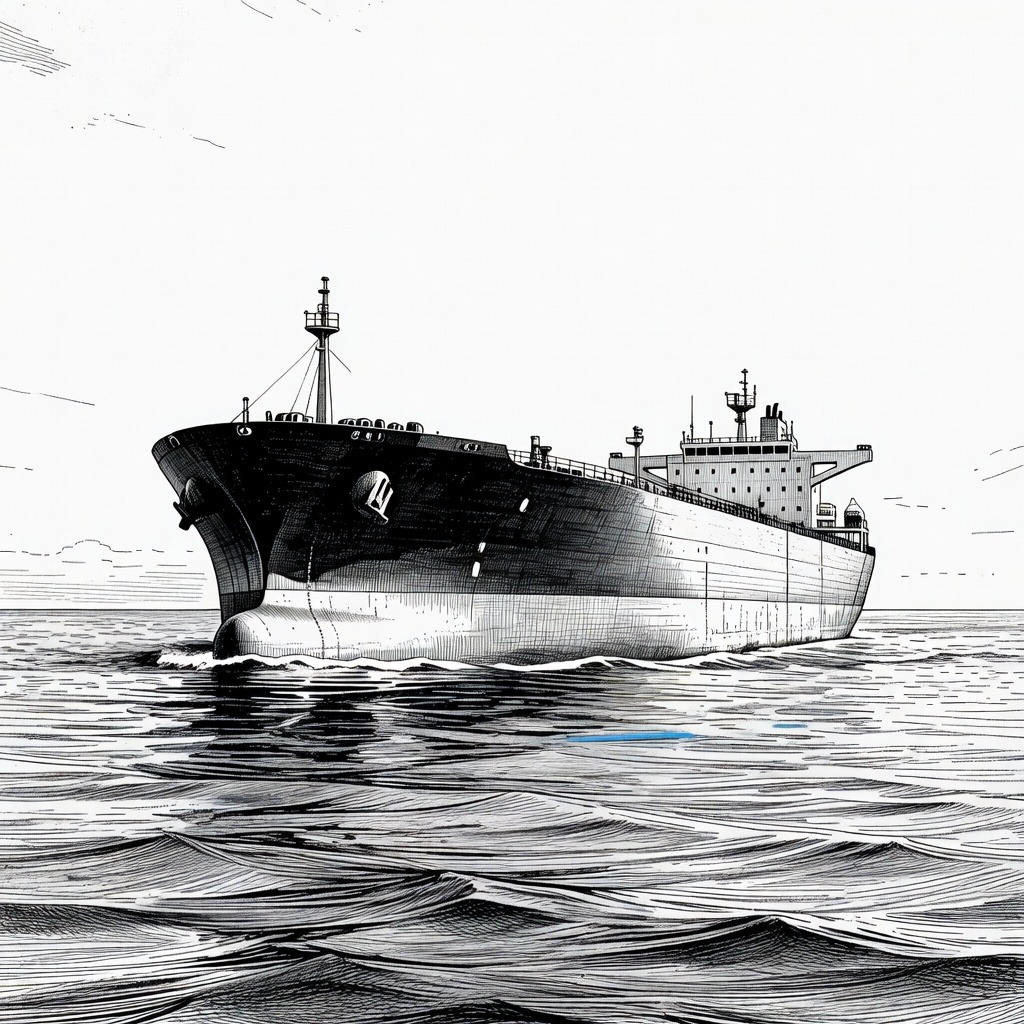
• Masking Ground-Level Financial Pain Macroeconomic stability metrics, like a projected 2.7 percent global growth rate, obscure the acute financial strain placed on everyday consumers. When spot oil prices double to $140, the downstream inflationary impacts on diesel, shipping, and consumer goods disproportionately extract wealth from the working class. Celebrating topline economic resilience ignores how sustained commodity inflation quietly erodes purchasing power for the most vulnerable populations.
• Disconnect In Corporate Optimism Relying on corporate artificial intelligence investments as a buffer against recession reveals a severe disconnect between Wall Street prosperity and Main Street survival. Tech-driven capital expenditure does not alleviate the localized burden of skyrocketing fuel costs for households and small businesses. Tolerating this reliance on corporate concentration to stabilize the economy suggests that systemic benefits remain isolated at the top while inflationary shocks are absorbed entirely at the bottom.
• Vulnerability Of Essential Logistics The structural fragility of the global supply chain is exposed when a 60-day conflict critically depletes European and Asian fuel reserves. Prolonged elevation of transportation costs guarantees entrenched inflation that cannot be immediately reversed by sudden geopolitical agreements to reopen the Strait of Hormuz. Permitting fundamental economic stability to hinge on fragile geopolitical chokepoints constitutes a systemic failure to protect consumers from predictable, protracted supply shocks.
How it may affect me
As a U.S. reader:
• Consumers will experience increased costs for everyday goods, shipping, and diesel, as skyrocketing global oil prices directly reduce household purchasing power.
• In the short term, individuals face the risk of severe summer price shocks if the geopolitical conflict continues to tighten global supplies and drives oil prices to the projected $150 a barrel.
• Despite the localized financial strain of high energy prices on households and small businesses, the public is unlikely to experience a broader economic recession due to the stabilizing effects of record domestic oil production and strong corporate investments in artificial intelligence.
• Over the long term, even if the conflict concludes and the Strait of Hormuz reopens, elevated transportation expenses will take months to normalize, potentially locking in prolonged inflation across consumer goods.