
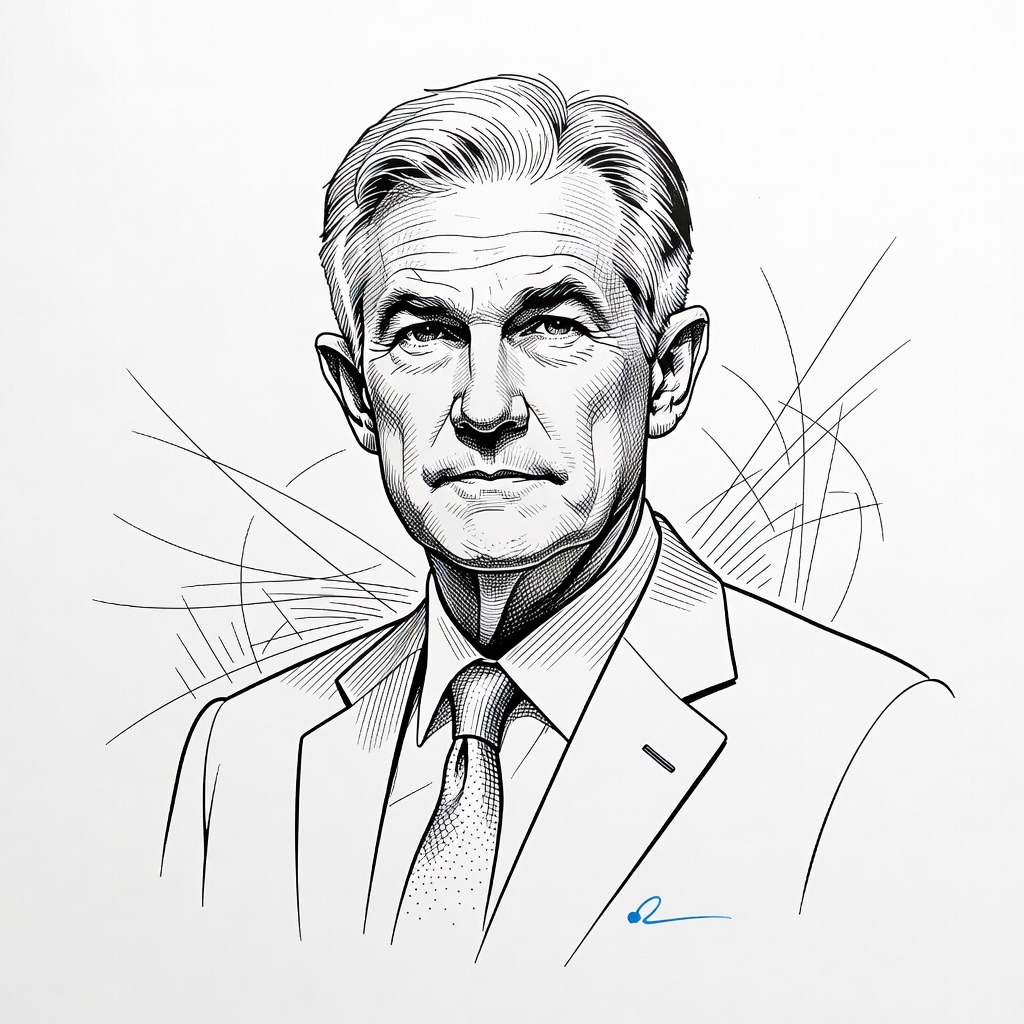
• Guarding Institutional Accountability Protecting the central bank from executive coercion is essential for maintaining a fair economy that serves the public rather than political interests. Powell’s departure and the headquarters renovation probe are viewed as a disturbing weaponization of federal investigations designed to force artificial rate reductions. Giving in to President Trump's demand for cheaper borrowing costs threatens to undermine the Federal Reserve's mandate, prioritizing short-term political boosts over sustainable economic oversight for the working class.
• Condemning Regressive Price Shocks High energy prices triggered by the Iran war and presidential tariffs act as a highly regressive tax, disproportionately extracting wealth from everyday consumers. This camp sees the persistent 3.3% Consumer Price Index not as a failure of the labor force, but as the direct result of geopolitical aggression and protectionist trade policies squeezing household budgets. Maintaining current borrowing costs acknowledges that the central bank cannot use monetary policy to magically lower the price of oil or undo the damage of supply-chain tariffs on working families.
• Shielding the Labor Market With the broader labor market remaining stable, holding rates steady at 3.5% to 3.75% is a necessary tightrope walk to avoid engineering an unnecessary recession. There is a deep fear that an overreaction to Ray Dalio’s stagflation warnings could trigger aggressive rate hikes that destroy jobs and harm the most vulnerable economic participants. As forecasters debate potential rate reductions into 2026, this side insists that Warsh's incoming leadership must prioritize protecting wage earners from unemployment just as fiercely as it combats the remaining inflation gap.
How it may affect me
As a U.S. reader:
• Short-term borrowing costs for consumers will remain restricted and elevated as the central bank is expected to hold its benchmark interest rate steady at 3.5 to 3.75 percent.
• Household budgets will continue to experience near-term pressure from persistent 3.3 percent inflation, driven heavily by supply constraints, presidential tariffs, and high energy prices resulting from the ongoing war with Iran.
• Job security appears protected in the short term, as the central bank's decision to pause rate hikes attempts to manage high prices without triggering widespread unemployment or an unnecessary recession.
• In the long term, consumers face the potential risk of a stagflationary environment, meaning the public could endure a prolonged period of high living costs without corresponding economic growth as the central bank transitions to new leadership.