
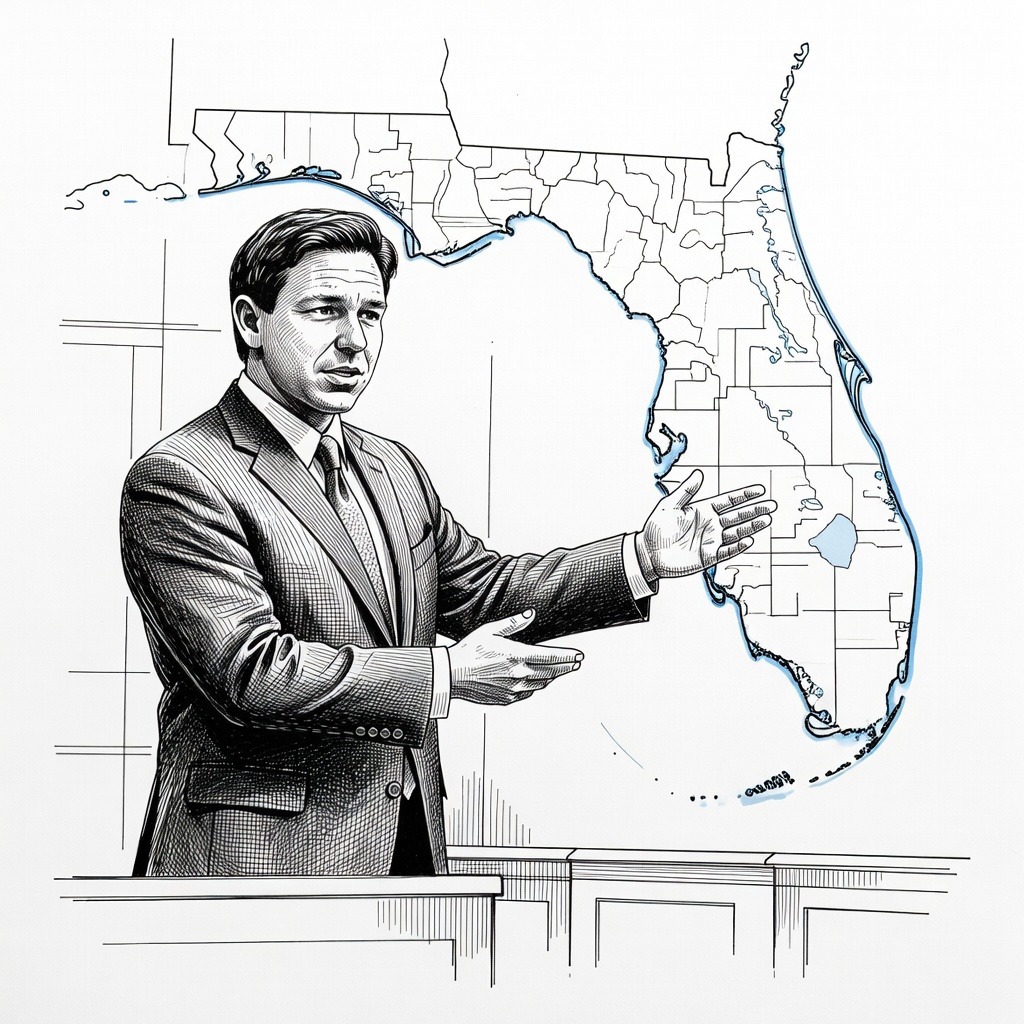
• Shielding Democratic Representation Valuing fair representation and equal civil rights, Reformers view the 24-4 Florida map as a direct assault on the electorate. Denounced as unconstitutional gerrymandering by leaders like Nikki Fried and Hakeem Jeffries, this mid-decade redistricting is seen as a tool to systematically disenfranchise vulnerable voter coalitions. They perceive this maneuver as an anti-democratic effort to insulate incumbents from the will of the people and evade genuine government accountability.
• Countering Institutional Capture Prioritizing the protection of civil liberties from systemic overreach, Reformers justify national countermeasures to combat aggressive map-drawing in states like Ohio, Texas, and Missouri. Securing a projected nine-seat gain in California, Utah, and Virginia is viewed as a necessary defensive action to preserve political equilibrium. Jeffries’ pledge of "maximum warfare" reflects the belief that robust, uncompromising pushback is a moral imperative to prevent the status quo from permanently cementing minority rule.
• Exploiting Partisan Overextension Banking on long-term social progress, Reformers see a critical vulnerability in the opposition's attempt to maximize territorial control. Echoing Gavin Newsom’s warning that extending partisan areas could backfire, they argue that thinning out conservative voter density to secure a 24-seat advantage creates structurally fragile districts. Reformers believe that inevitable demographic shifts will eventually overwhelm these artificially stretched boundaries, turning a short-term power grab into a long-term electoral collapse.
How it may affect me
As a U.S. reader:
• Residents in states such as Florida, California, Texas, and Ohio may experience short-term changes to their congressional district boundaries and representation prior to the 2030 census.
• These competing national redistricting efforts could dictate the balance of power in the U.S. House of Representatives during the November midterm elections, which would directly impact future federal legislation.
• In the long term, voters may find their local congressional elections heavily skewed toward a specific party, though future demographic shifts could eventually overwhelm and disrupt these redrawn boundaries.
• The general public may face an increasingly polarized social climate, as aggressive messaging and hostile rhetoric surrounding the redistricting disputes raise concerns about the degradation of institutional trust and the potential for political violence.