
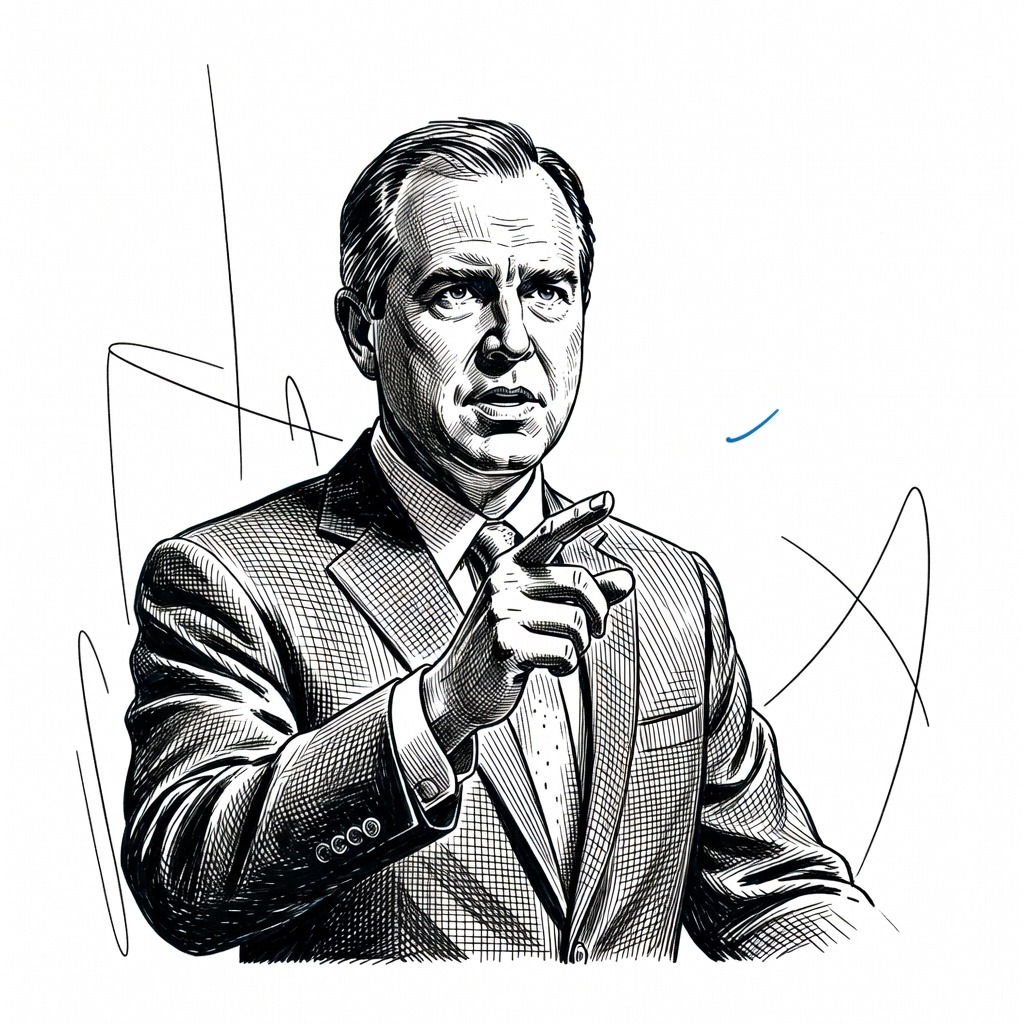
• Shield Against Retail Extraction The push by Polymarket and Kalshi to introduce perpetual futures with up to 100 times leverage is viewed as deploying predatory financial mechanisms designed to extract wealth from unsophisticated consumers. Treating these high-risk, non-expiring contracts as legitimate derivatives rather than volatile gambling prioritizes platform profit over economic equity and retail protection. Actions like New York Attorney General Letitia James’s lawsuit reflect the urgent necessity to strictly classify and restrict these instruments before they inflict systemic financial harm on the broader public.
• Expose Asymmetric Information Abuse The incidents involving a U.S. Army special operations soldier profiting $400,000 on the Maduro capture, alongside political candidates wagering on their own races, highlight deep structural flaws in prediction markets. These platforms inherently reward actors with access to confidential, non-public data, allowing institutional insiders to systematically siphon capital from everyday participants. Even with reactive bans and fines issued by companies like Kalshi, this perspective sees an ecosystem that intrinsically breeds moral hazard and normalizes asymmetric exploitation.
• Halt Incentivized Geopolitical Destabilization Beyond basic financial extraction, commodifying real-world conflicts creates a dangerous misalignment of civic and geopolitical incentives. Senator Adam Schiff’s warning that war-related bets pose a direct risk to national security captures the fear that turning global crises into speculative assets invites bad actors to engineer or manipulate outcomes for profit. From this humanitarian and ethical standpoint, allowing unregulated expansion subordinates international stability and democratic integrity to the pursuit of speculative capital.
How it may affect me
As a U.S. reader:
• In the short term, retail investors may gain domestic access to high-leverage cryptocurrency contracts for hedging and trading, though this also exposes unsophisticated consumers to significant financial volatility and potential wealth loss.
• Everyday market participants face the practical risk of losing capital to asymmetric trading, as individuals with access to confidential government or institutional data may attempt to exploit non-public information for profit.
• Members of the public may experience fragmented access to these platforms depending on their state of residence, as ongoing jurisdictional battles between the federal government and state officials in places like New York and Utah create legal uncertainty around whether these services constitute legitimate derivatives or illegal gambling.
• Over the long term, the expansion of markets allowing wagers on elections and war-related events could indirectly impact public safety and democratic stability, as bad actors may be financially incentivized to engineer or manipulate real-world geopolitical outcomes.