
• Reckless Diplomatic Retreat Prioritizing long-term stability requires consistent engagement, making the abrupt cancellation of the Islamabad talks an abandonment of diplomatic duty. Dismissing the April 25 negotiations because they require "excessive time" fundamentally rejects the methodical patience required to de-escalate Middle Eastern tensions. This withdrawal relies on the dangerous assumption that holding unilateral leverage guarantees security, ignoring how the lack of open channels with envoys like Steve Witkoff and Jared Kushner increases the risk of catastrophic miscalculation.
• Fueling Adversarial Hardliners Validating international norms demands that statecraft bridges divides rather than exploiting domestic rivalries. By pointing to Iranian leadership infighting as a justification to walk away, the administration inadvertently gifts political ammunition to conservative figures like Saeed Jalili to rally anti-American sentiment. This confrontational posture undermines any moderate Iranian factions and accelerates a self-fulfilling prophecy of institutional breakdown and escalating hostility.
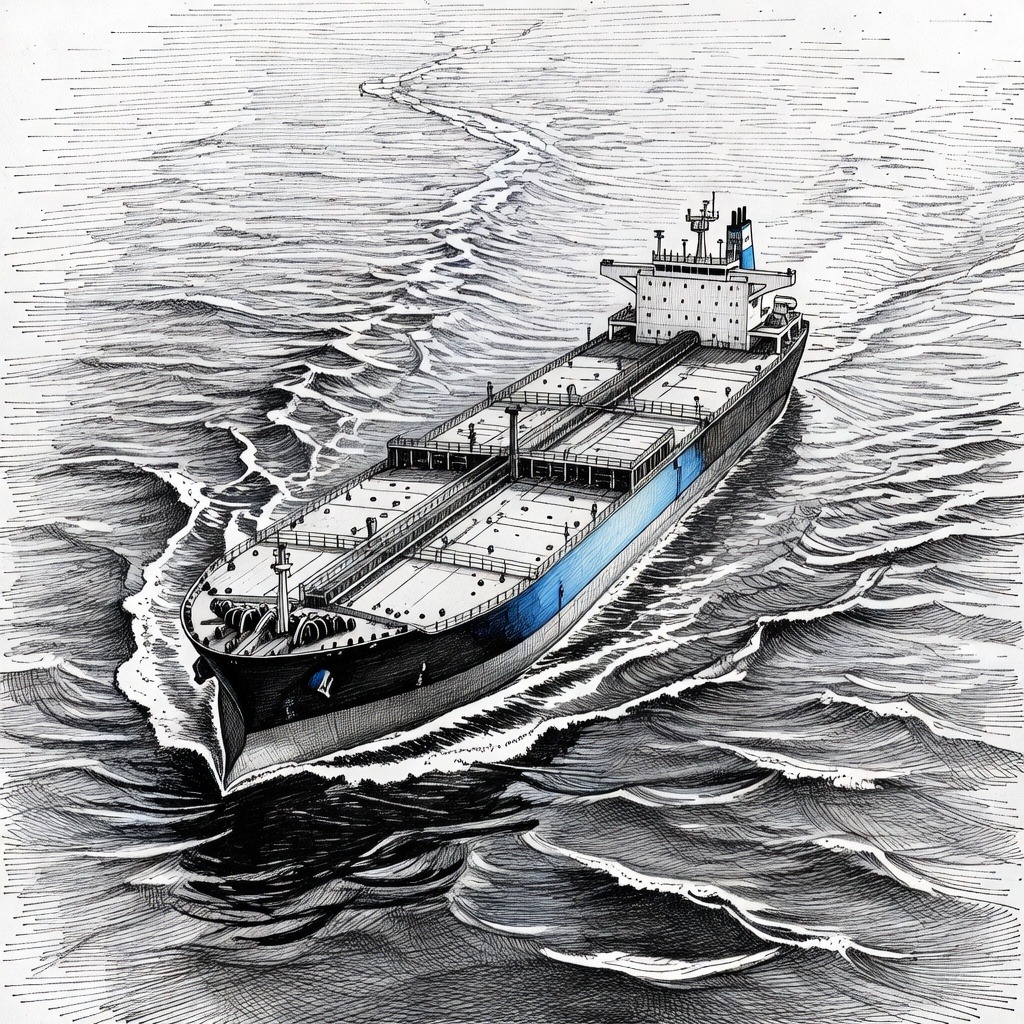
• Triggering Unnecessary Economic Shockwaves True national security encompasses global economic stability, which is immediately compromised by volatile geopolitical brinkmanship. The sudden breakdown in talks and resulting tension around the Strait of Hormuz directly triggered a two percent spike in oil prices, pushing U.S. crude to $96.19 and dragging down U.S. market futures. Treating diplomacy as an expendable luxury transfers the cost of this strategic gamble directly onto the public through immediate, avoidable energy inflation.
How it may affect me
As a U.S. reader:
• In the short term, you may experience immediate energy inflation and higher costs for everyday fuel, driven by the roughly two percent spike in global oil prices that pushed U.S. crude to $96.19 per barrel following the canceled talks.
• Your personal investments or retirement funds tied to domestic stocks could face short-term volatility and slight value decreases, reflecting the downward trend in U.S. market futures caused by the diplomatic breakdown.
• Over the long term, the absence of open diplomatic channels combined with escalating tensions around the Strait of Hormuz elevates the risk of regional conflict or miscalculation, which could threaten broader national security and systemic economic stability.