
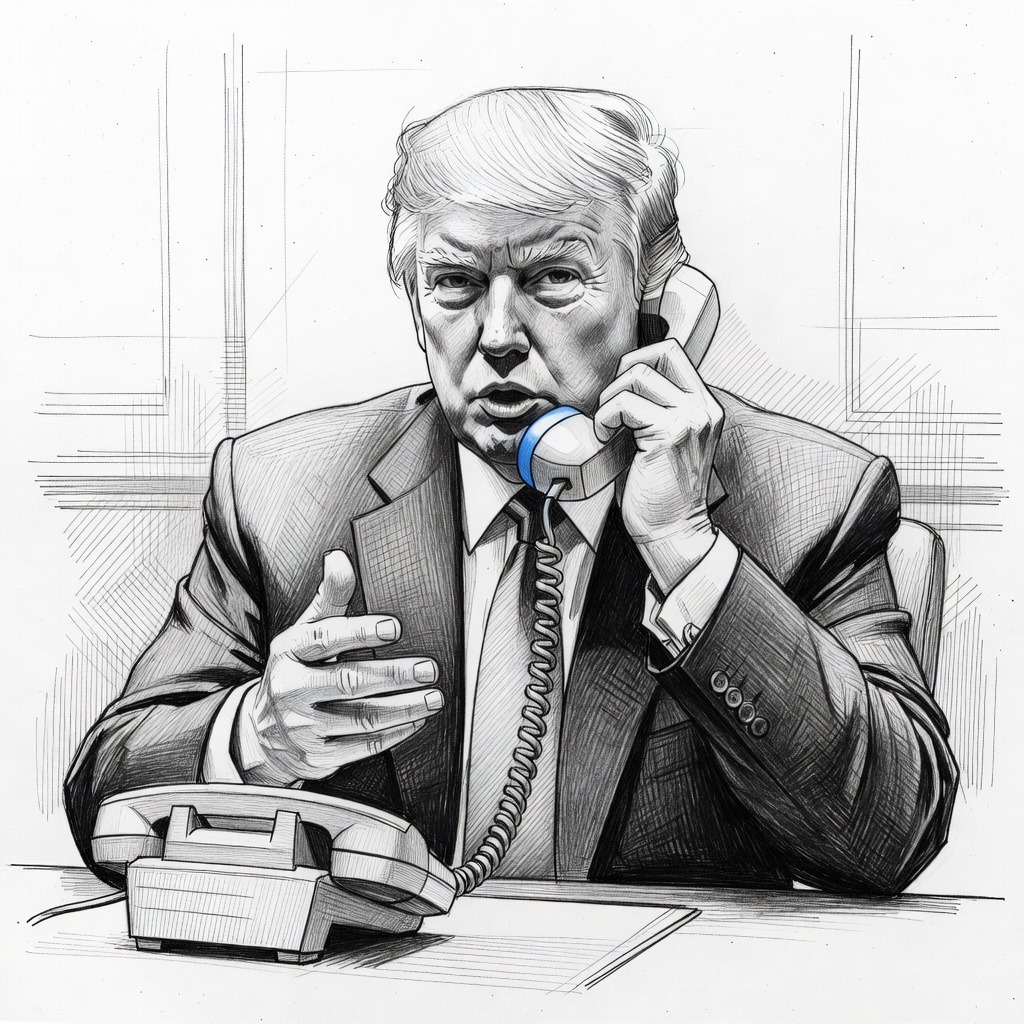
• Squandering Vital Diplomatic Momentum Valuing good-faith engagement as the only reliable path to conflict resolution, this perspective views the abrupt cancellation of Steve Witkoff and Jared Kushner's trip as a reckless diplomatic blunder. Reversing a Friday announcement of progress merely to avoid a long flight signals profound unpredictability to international mediators like Pakistani Prime Minister Shebaz Sharif. Downgrading talks to phone calls just as Iranian Foreign Minister Abbas Araghchi presents a framework for peace needlessly antagonizes an adversary actively seeking an off-ramp.
• Weaponizing Civilian Infrastructure Deprivation Prioritizing the protection of non-combatants, this view condemns the deliberate degradation of everyday life under Operation Epic Fury. Over fifty days of U.S. and Israeli bombing have decimated vital energy grids, forcing President Masoud Pezeshkian to urge citizens to ration electricity amid severe power shortages. Utilizing military strikes and an active naval blockade to inflict mass civilian hardship is viewed as a disproportionate, punitive strategy that breeds generational resentment rather than sustainable security.
• Reckless Global Economic Spillover Emphasizing global interconnectedness and stability, this camp warns against Defense Secretary Pete Hegseth’s declaration that the U.S. is in "no hurry" to reach a deal. Prolonging the conflict without pursuing active diplomatic de-escalation directly destabilizes vital global shipping channels through the Strait of Hormuz. Allowing oil prices to surge while dragging out a volatile military standoff demonstrates a dangerous disregard for the broader collateral damage inflicted on the international community.
How it may affect me
As a U.S. reader:
• In the short term, you will likely experience higher fuel costs as the military conflict and disrupted shipping through the Strait of Hormuz continue to drive up global oil prices.
• The prolonged U.S. naval blockade and volatile military standoff may cause broader economic spillover, potentially increasing the cost of international goods due to constrained global shipping channels.
• Over the long term, the cancellation of face-to-face peace negotiations and the stated lack of urgency to reach a deal indicate that U.S. military personnel and resources will remain actively engaged in an overseas conflict for the foreseeable future.