
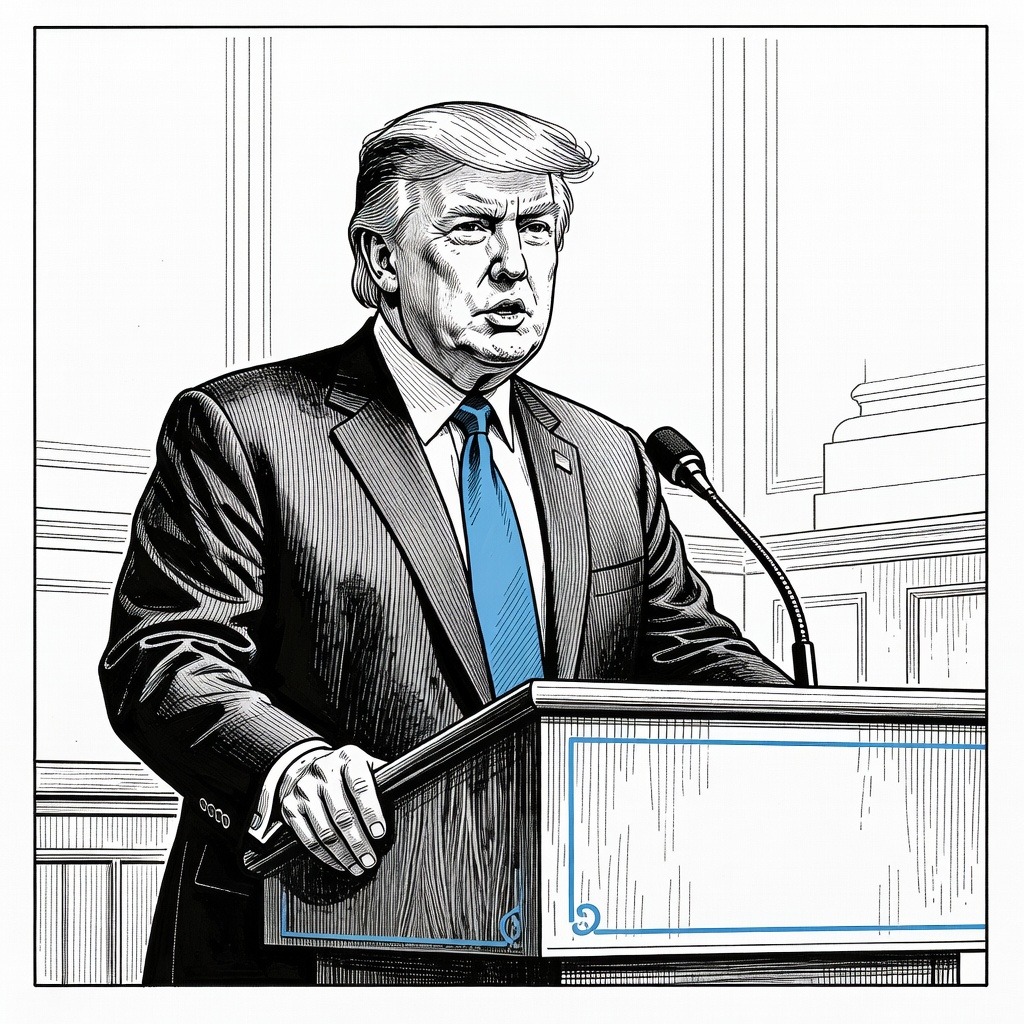
• Sabotaging Fragile Peace Frameworks Maintaining a naval blockade in the Strait of Hormuz while imposing fresh sanctions on Hengli Petrochemical contradicts the baseline requirements for successful de-escalation. Diplomatic processes require the cultivation of mutual trust, but weaponizing economic leverage during active negotiations risks cornering Tehran into a defensive posture. This dual-track approach of punishing intermediaries like China via Secretary Bessent's Treasury while simultaneously seeking dialogue often hardens adversaries and derails the peace process before it begins.
• Fracturing Baseline Diplomatic Trust The conflicting narratives regarding direct versus intermediary-led negotiations reveal a dangerous lack of preliminary groundwork ahead of the Islamabad summit. With the White House claiming Iran requested direct engagement and Tehran insisting on Pakistani intermediaries, the structural integrity of the talks is publicly compromised. Successful conflict resolution requires meticulous, synchronized protocols, not unilateral public disputes over the fundamental terms of engagement.
• Risking Catastrophic Regional Escalation Dismissing Iran’s demand to halt fighting in Lebanon ignores the deeply interconnected nature of Middle Eastern stability and the compounding humanitarian toll. Issuing hardline military threats—such as the warning from President Trump and Defense Secretary Hegseth to fire upon minelaying vessels—during a fragile, unilaterally extended ceasefire elevates the risk of a disastrous miscalculation. Treating localized proxy conflicts and maritime security as isolated issues threatens to ignite the exact broader regional war these envoys are supposed to prevent.
How it may affect me
As a U.S. reader:
• In the short term, U.S. military personnel and their families face immediate physical risks as the U.S. Navy maintains an active blockade in the Strait of Hormuz with explicit orders to fire upon minelaying vessels.
• Short-term disruptions to international maritime navigation and global petroleum trade may occur as the United States actively intercepts shipping routes and imposes strict economic sanctions on foreign petrochemical refineries.
• In the long term, the structural success or collapse of these intermediary negotiations will determine whether the U.S. public avoids being drawn into a broader, catastrophic regional war in the Middle East.