
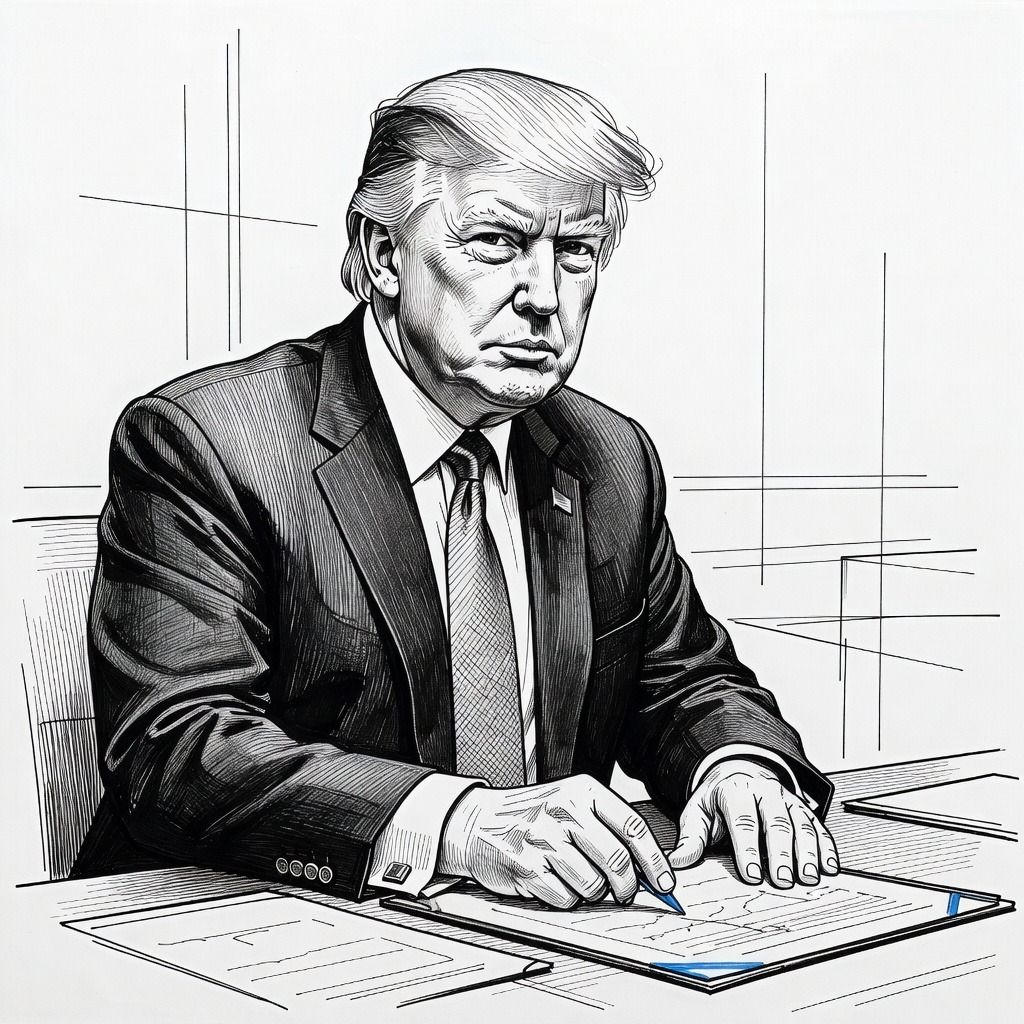
• Fueling Unchecked Military Escalation The deployment of aircraft carriers and thousands of Marines for Operation Epic Fury represents a dangerous drift from diplomatic solutions toward kinetic overreach. By aggressively expanding a naval blockade and authorizing lethal force, this framework views the U.S. posture as intentionally fueling the regional instability it claims to mitigate. The fact that Iranian officials refuse to resume peace talks until the blockade is lifted validates the perspective that offensive military posturing inherently destroys the foundation for long-term conflict resolution.
• Sabotaging Diplomatic Off-Ramps Threats from the president to eradicate Iranian civilization are viewed not as strategic deterrence, but as reckless violations of international norms that isolate the United States. For the humanitarian camp, coupling apocalyptic rhetoric with premature declarations of victory and demands for a Nobel Peace Prize highlights a dangerously erratic and contradictory strategy. This chaotic messaging undermines global trust, exponentially increases the likelihood of catastrophic miscalculation, and replaces measured statecraft with deadly provocation.
• Enriching Entrenched War Interests Aligning with domestic criticisms raised by populist commentators, this framework suspects the expansion of hostilities serves entrenched financial interests rather than genuine public security. The assertion that the conflict primarily benefits the military-industrial complex and regional allies reflects a deep skepticism of the administration's stated anti-nuclear mandate. Expanding overseas operations despite direct anti-war campaign promises is interpreted as a classic bait-and-switch, sacrificing human lives and diplomatic credibility to sustain an endless cycle of war profiteering.
How it may affect me
As a U.S. reader:
• In the short term, the deployment of thousands of Marines and naval forces to the Persian Gulf directly impacts military service members and their families by placing them in an active conflict zone with authorization to use lethal force.
• The severe disruption of the Strait of Hormuz and the targeting of oil tankers may affect broader economic stability by threatening global commercial shipping lanes and international maritime commerce.
• In the long term, the breakdown of peace talks and escalating rhetoric increase the risk of a catastrophic miscalculation, potentially drawing the nation into an extended regional war.
• The expansion of overseas military operations directs public resources toward the conflict, which domestic critics argue sustains a cycle of war profiteering for the military-industrial complex rather than serving public security.