
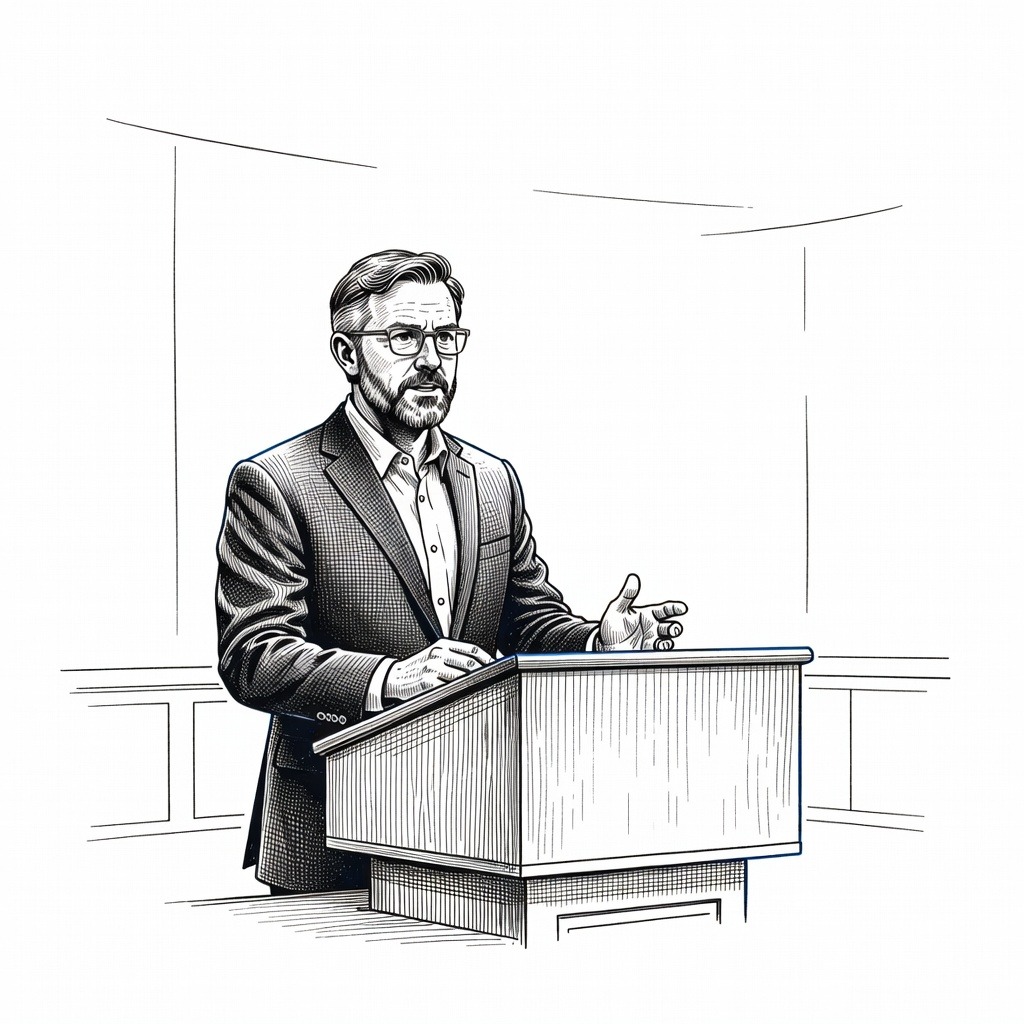
• Shielding Constitutional Privacy Boundaries The Reformer views the incidental sweeping of American citizens' data through Section 702 as a direct encroachment on fundamental civil liberties. Representative Raskin’s opposition to Speaker Johnson's proposal stems from the core principle that constitutional privacy protections must be actively defended against intelligence overreach. To this camp, any surveillance accessing domestic data fundamentally requires a warrant to remain legally and morally legitimate.
• Rejecting Opaque Institutional Self-Policing Trusting the FBI to submit monthly justifications to an internal oversight official represents a structural failure of government accountability. This camp views internal mandates and new criminal penalties as superficial guardrails that fail to deter systemic institutional abuse. True democratic accountability necessitates external, independent judicial review to rigorously check the inherent overreach of executive intelligence agencies.
• Dismantling the Security Trump Card The grassroots primary challenge against Representative Himes illustrates a fierce refusal to accept theoretical security threats as justification for violating domestic rights. Extending the act unmodified is perceived as capitulating to an unchecked intelligence apparatus that exploits the fear of foreign terror attacks to maintain its power. Activists view any compromise lacking a warrant requirement as a dangerous institutional surrender that permanently normalizes mass surveillance.
How it may affect me
As a U.S. reader:
• Your electronic communications may continue to be incidentally intercepted and reviewed by federal law enforcement without a warrant during foreign surveillance operations over the next three years.
• The safety of the general public from foreign terror attacks could be impacted in the short and long term by whether intelligence agencies maintain rapid surveillance capabilities or face operational delays from new judicial review mandates.
• If the proposed extension passes, the primary protections against the misuse of your intercepted data will rely on internal FBI reporting and new criminal penalties for agents rather than external oversight by a judge.
• You might encounter shifting political dynamics in your local district, including protests and primary challenges, driven by how your elected representatives vote on balancing national security tools with domestic privacy rights.