
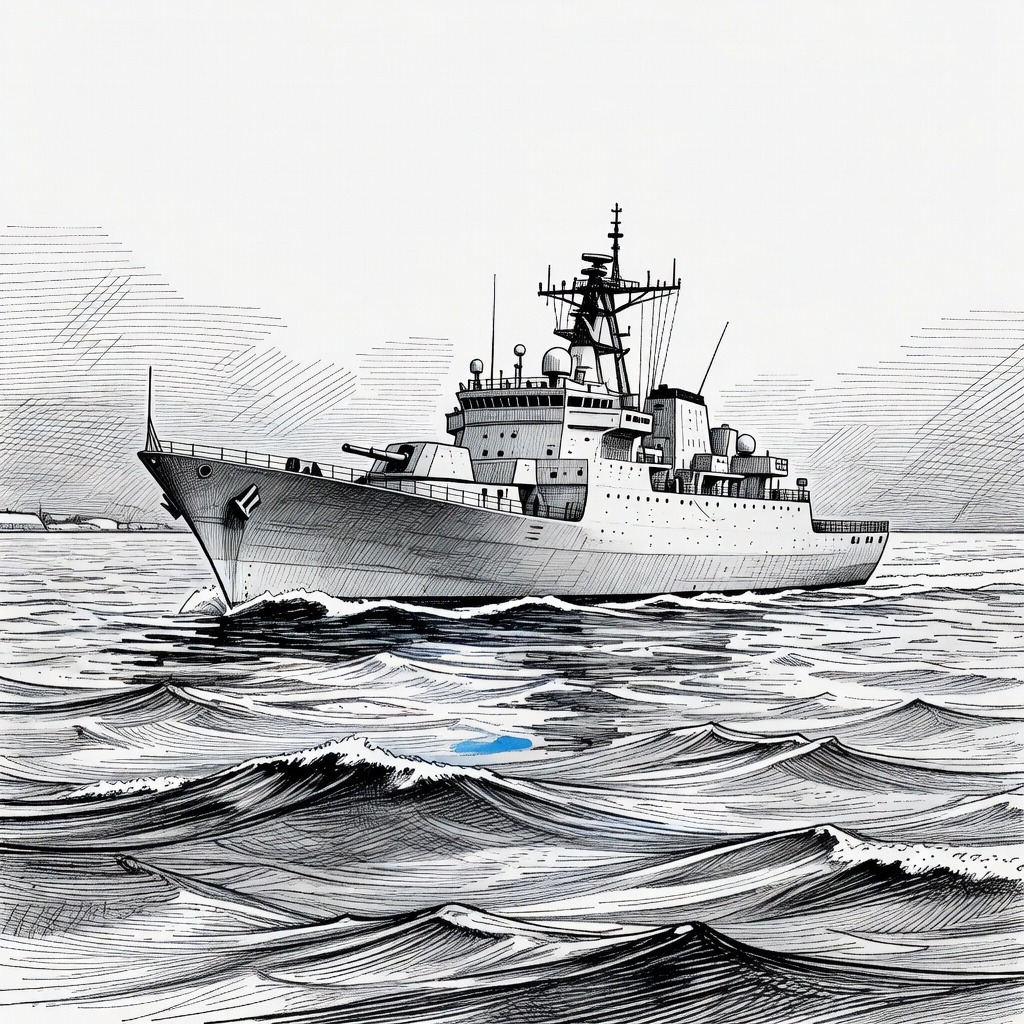
• Peril of Abrupt Instability Prioritizing institutional stability is vital to managing and containing active conflicts. The contested nature of John Phelan’s departure—where administration officials cite a dismissal over shipbuilding rates while the president claims it was a resignation—signals chaotic executive interference. This camp views shifting the top civilian naval command during a hot war with Iran as a critical strategic vulnerability, fearing it fractures the established chain of command and injects partisan turbulence precisely when steady, transparent leadership is most required.
• Escalation Over Diplomatic Restraint Prioritizing diplomatic de-escalation and measured response, this framework views the administration's maritime directives with high alarm. The explicit presidential order to destroy any vessels laying mines in the Strait of Hormuz, coupled with boasts of sinking 159 Iranian ships, represents dangerous brinkmanship. This camp interprets such maximalist rhetoric and unilateral military posturing as a catalyst for a broader regional war, fearing it forecloses diplomatic off-ramps and vastly increases the humanitarian cost of the conflict.
• Risk of Unchecked Militarization Valuing strict civilian oversight of military actions, there is deep skepticism regarding the motives behind Hung Cao's installation. Firing a Navy Secretary over industrial "shipbuilding rates" while pivoting entirely to Cao's mandate of "maintaining military lethality" suggests a dangerous prioritization of aggressive combat metrics over holistic conflict resolution. The long-term fear is that restructuring leadership to expedite weapons production accelerates a self-sustaining war economy, removing crucial institutional friction against endless, escalating combat.
How it may affect me
As a U.S. reader:
• The military operations and strict directives aimed at securing the Strait of Hormuz to protect global maritime trade could have short-term and long-term impacts on international shipping networks that supply the domestic market.
• The abrupt transition in top naval leadership during an active conflict may create short-term uncertainty within the military chain of command, potentially affecting how overseas operations are managed and overseen.
• An immediate administrative focus on resolving industrial shortfalls and increasing shipbuilding rates points to a long-term acceleration in domestic weapons manufacturing and a potential shift toward a sustained war economy.
• Aggressive military posturing and orders to destroy specific adversary vessels carry a short-term risk of escalating into a broader regional war, which could increase operational demands on deployed American service members and raise the broader costs of the conflict.