
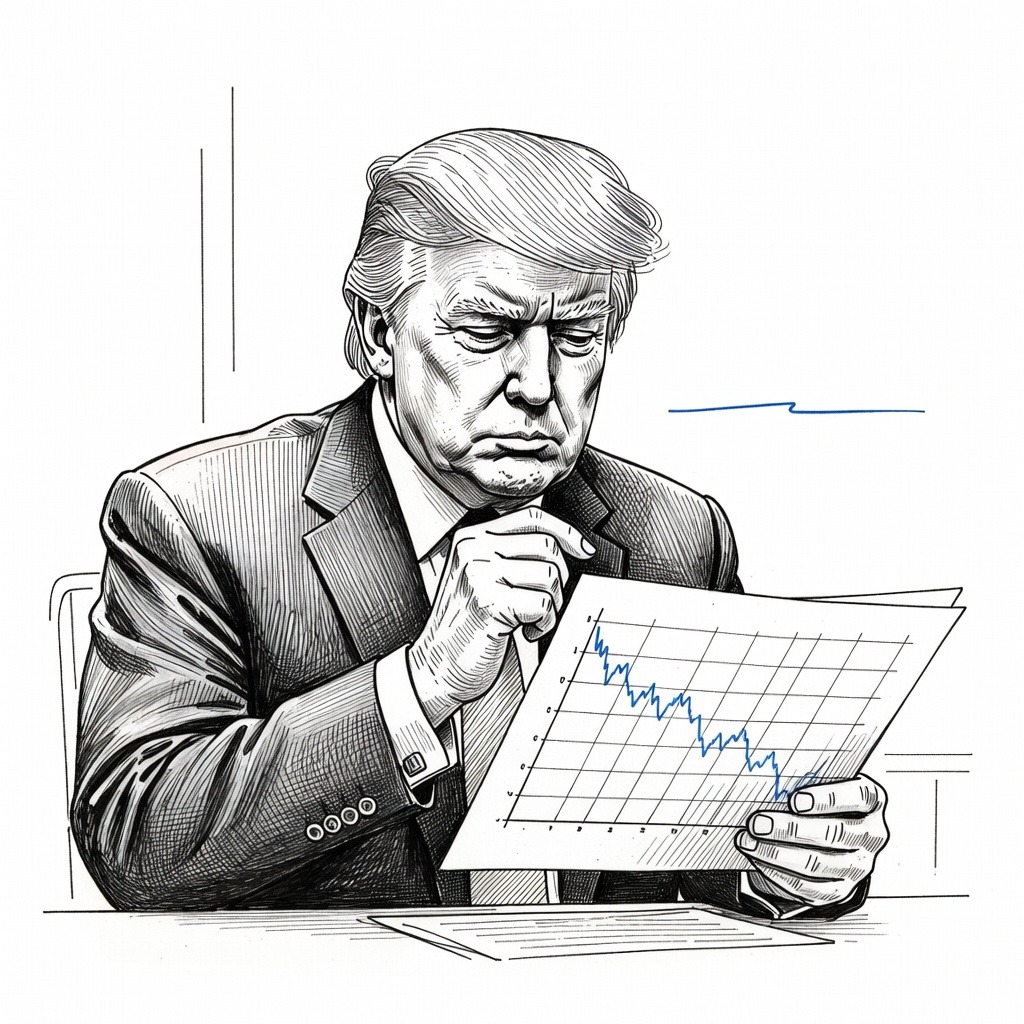
• Enforce Strict Democratic Accountability Effective governance demands broad public consensus, transparent leadership, and baseline institutional competence. The consistent 58 percent disapproval rating, driven by Democrats and independents questioning the president's temperament and judgment, represents a structural rejection of his leadership style. To this camp, these metrics are a success of civic engagement, proving that voters prioritize responsible governance and reject administrations that fail to maintain the trust of the broader electorate.
• Shield the Vulnerable Consumer Economic equity requires protecting ordinary citizens from the systemic shocks of unilateral military adventurism. With 80 percent of Americans altering their spending or travel habits due to high gas prices, the administration's Middle East strategy is viewed as an unsustainable, regressive burden on working-class households. The subsequent invocation of wartime powers to address energy costs is interpreted as a reactive, chaotic patch to a self-inflicted crisis rather than a sound economic policy.
• Risking Structural Institutional Fracture The reliance on a shrinking, hyper-loyal primary faction risks severe long-term institutional destabilization. The observed decline in approval among non-core Republicans signals that the administration is sacrificing broad coalition-building in favor of base appeasement. The fundamental fear is that by leaning entirely on its narrow 51-53 percent approval on border enforcement to retain power, the administration will permanently alienate the political center and replace comprehensive policymaking with performative polarization.
How it may affect me
As a U.S. reader:
• In the short term, you may continue to face high gasoline prices requiring practical adjustments to your daily household budget, spending, and travel habits.
• You might observe direct government interventions in domestic energy markets as the administration applies wartime executive powers to manage the economic fallout of Middle East conflicts.
• Because southern border security retains majority public approval, you can anticipate that the government will maintain a strong policy focus and dedicate continued resources to border enforcement.
• Over the long term, growing public fatigue regarding the financial costs of the conflict with Iran could pressure the government to alter its international defense strategies and nuclear deterrence efforts.
• You may experience a highly polarized legislative environment where long-term policymaking increasingly caters to a specific political base rather than building broad consensus among the general electorate.