
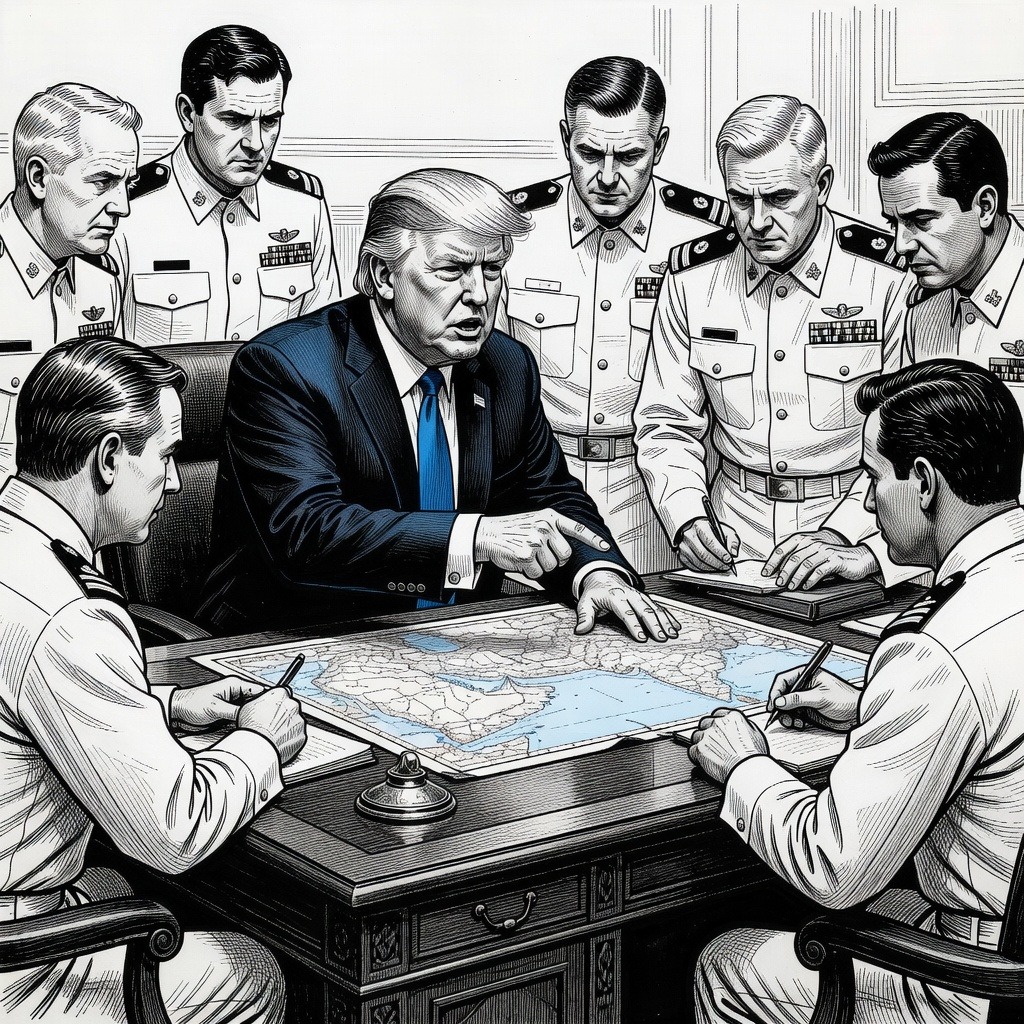
• Triggering Unintended Regional Flashpoints Prioritizes diplomatic de-escalation and views unilateral aggression as a severe threat to fragile peace agreements. The presidential mandate to fire upon and destroy mine-laying vessels is interpreted as dangerous brinkmanship that risks transforming a tenuous ceasefire into active combat. By heavily militarizing a confined waterway to dictate regional terms, this framework argues the U.S. actively invites miscalculation and deadly escalation rather than fostering stability.
• Bleeding the Global Economy Focuses on the widespread collateral damage that military standoffs inflict on international markets and civilian populations. The reduction of maritime traffic to a mere fraction of pre-war levels and the spike of Brent crude oil past $100 per barrel serve as definitive proof that aggressive posturing carries an unacceptable global cost. This perspective maintains that relying on naval blockades rather than diplomatic consensus ultimately harms ordinary consumers far more than it disciplines the intended adversary.
• Fueling Endless Retaliatory Cycles Values long-term diplomatic resolution and warns that using force to compel sovereign compliance inevitably backfires. Iran's seizure of two cargo ships and its retaliatory demand for transit authorization are viewed as highly predictable, reciprocal reactions to the ongoing U.S. blockade and tanker interceptions. This camp fears that choosing a militarized maritime standoff over mediated negotiation ensures a permanent cycle of tit-for-tat hostilities, leaving the root conflict entirely unresolved.
How it may affect me
As a U.S. reader:
• Everyday consumers will likely experience higher fuel and energy costs in the short term, as the naval standoff has pushed Brent crude oil prices above $100 per barrel.
• The public may face broader economic friction and market disruptions in the short term due to international commercial shipping being reduced to a fraction of its normal levels.
• In the long term, citizens face the potential risk of the nation returning to active combat if the mutual vessel interceptions and militarized red lines escalate beyond the fragile ceasefire.