
• Extraction Over Equitable Value The 16 percent year-over-year profit increase is viewed less as a triumph of innovation and more as a symptom of consumer extraction. Relying on higher vehicle prices and subscription rates indicates a business model shifting toward perpetual rent-seeking from a captive customer base. This trajectory signals a departure from making sustainable technology accessible to the masses, prioritizing short-term financial engineering and one-time tariff benefits over broad, affordable green mobility.
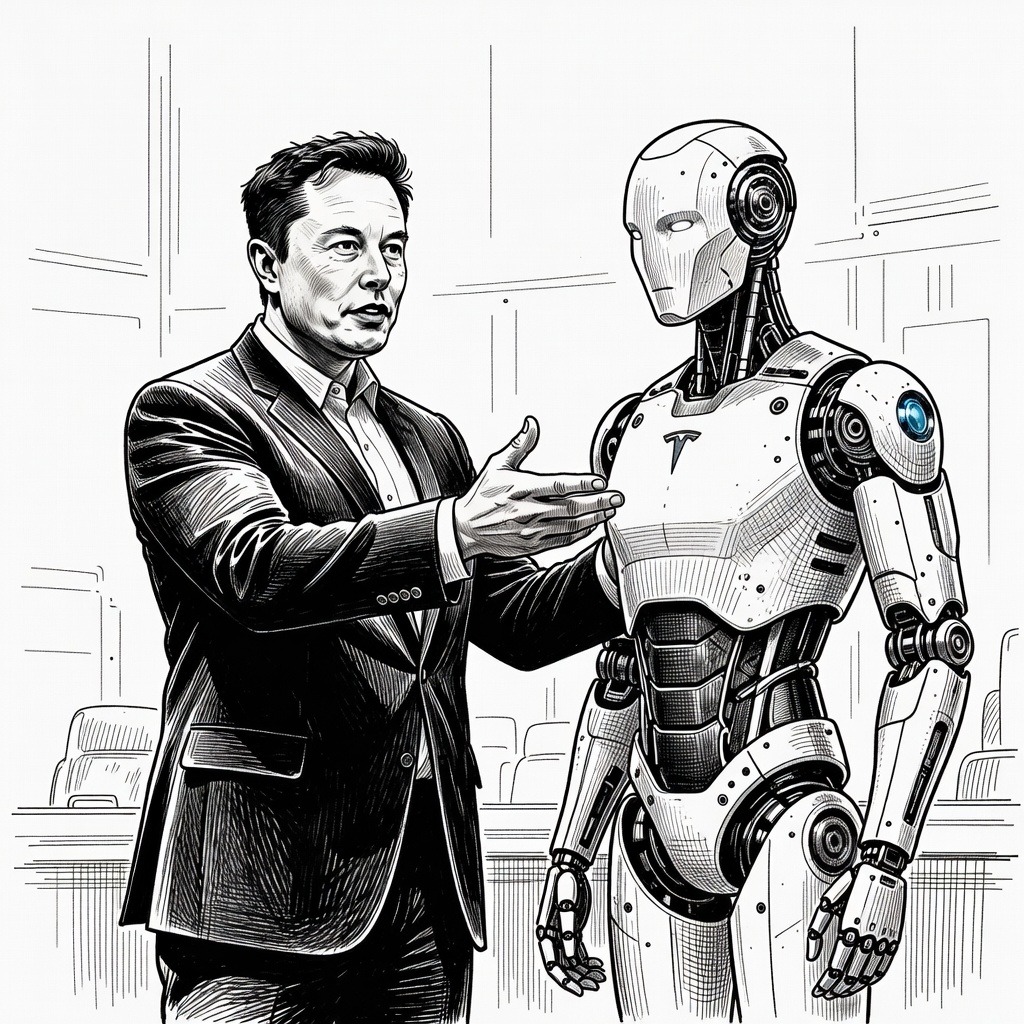
• Gamble on Labor Displacement Funneling $25 billion in capital expenditures into artificial intelligence and the Optimus humanoid robot represents an aggressive prioritization of capital over human labor. By explicitly declaring the robot will become the company's most significant product, the corporate focus pivots toward automation explicitly designed to displace human workers. Discontinuing the established Model S and X vehicles to build robotics lines highlights a troubling reallocation of resources away from tangible consumer goods toward speculative, labor-replacing technologies.
• Unchecked Autonomy Risks Public Deploying fully autonomous robotaxis in Texas with plans for a massive expansion raises severe concerns regarding public safety and regulatory oversight. Utilizing public infrastructure as a testing ground for experimental AI effectively treats citizens as non-consenting participants in a corporate trial. The market's immediate erasure of the after-hours stock surge reflects a broader, systemic anxiety that unchecked executive spending and grand technological promises are vastly outpacing necessary civic safety guardrails.
How it may affect me
As a U.S. reader:
• In the short term, consumers will no longer be able to purchase new Tesla Model S or Model X vehicles, as the company has officially discontinued these luxury lines to reallocate factory space for robotics.
• Prospective electric vehicle buyers may face increased costs, as Tesla's current business model heavily relies on higher upfront vehicle prices and ongoing subscription fees rather than broad affordability.
• In the short to long term, motorists and pedestrians, starting in Texas, will increasingly share public roads with experimental, fully autonomous robotaxis, introducing new traffic dynamics and public safety considerations as the program massively expands.
• Over the long term, the upcoming production and external rollout of the Optimus humanoid robot next year indicates a technological shift toward automation that could begin to displace human workers in the U.S. labor market.