
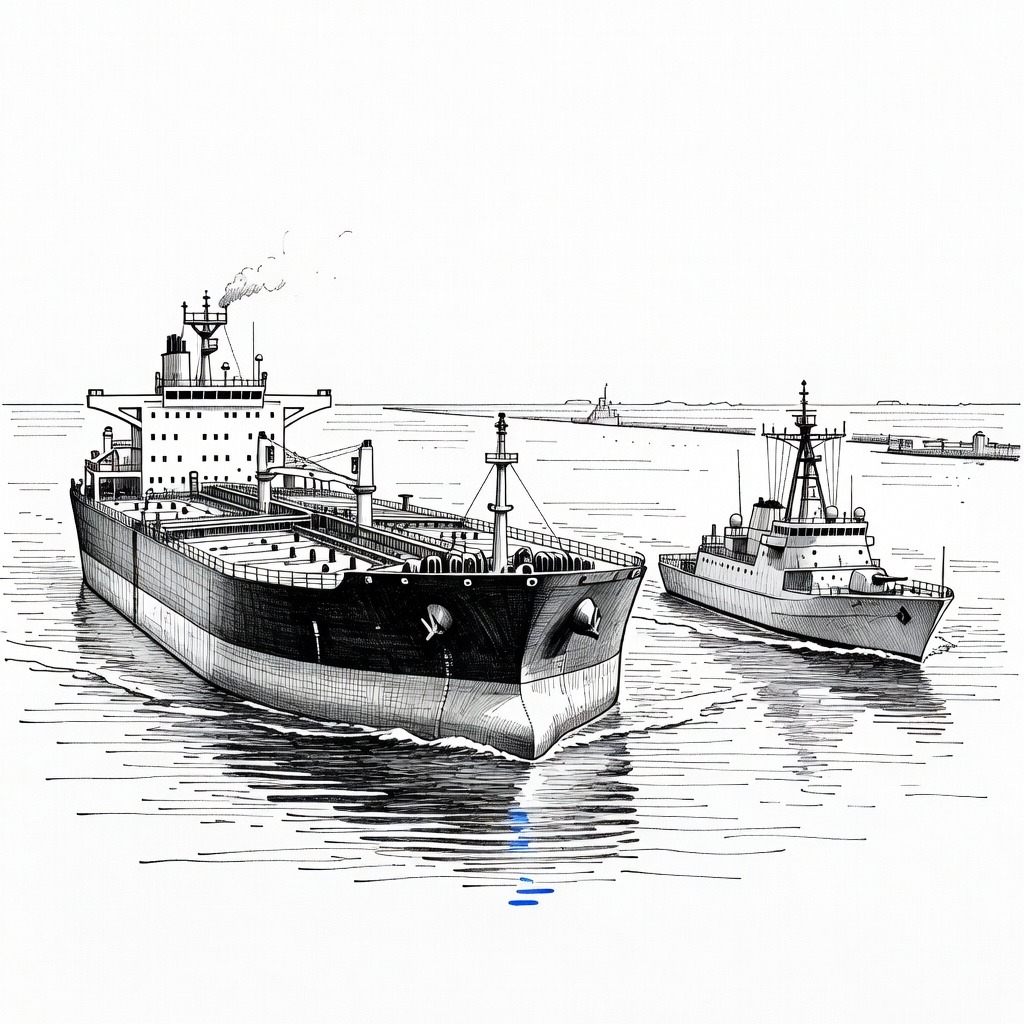
• Facade of Meaningful De-escalation Pausing military strikes while sustaining a naval blockade is interpreted as an ongoing act of aggression that inherently blocks diplomatic progress. The failure of the Pakistan negotiations stems directly from demanding maximalist concessions—like full nuclear dismantlement—without offering reciprocal off-ramps or acknowledging Iran's economic grievances. The underlying priority is true conflict resolution, which remains structurally impossible when hardline coercion replaces good-faith statecraft.
• Domestic Burden of Geopolitical Brinkmanship The administration's refusal to provide a timeline for ending the conflict directly sacrifices American economic stability for an unwinnable standoff. Pushing domestic gasoline prices past four dollars a gallon disproportionately harms working-class citizens who cannot absorb the financial collateral damage of foreign policy posturing. Resorting to sanctions waivers for Russian crude highlights the dangerous, contradictory economic loops created when militarized foreign policy destabilizes global energy markets.
• Erosion of Constitutional Guardrails The impending April 28 War Powers Resolution deadline without a clear, formalized exit strategy signals a severe democratic deficit. The narrow 46-51 Senate vote underscores a mounting institutional crisis where executive war-making outpaces legislative consent and oversight. For this camp, unchecked executive authority and continuous military engagement dangerously court a perpetual, unconstitutional conflict devoid of public accountability.
How it may affect me
As a U.S. reader:
• In the short term, consumers will continue to face elevated gasoline prices averaging above four dollars per gallon, as the ongoing naval blockade in the Strait of Hormuz restricts global oil supplies with no projected timeline for relief.
• The sustained high cost of energy will place an immediate financial strain on household budgets, disproportionately impacting working-class citizens, though this economic burden is also framed as a necessary temporary investment for long-term national security.
• To help ease these domestic fuel supply constraints, the U.S. energy market will temporarily rely on the continued transit of Russian crude oil following a sanctions waiver issued by the Treasury Department.
• Over the long term, the public faces the likelihood of an open-ended foreign standoff and sustained geopolitical tension, as the executive branch maintains operational control over the conflict without a formalized exit strategy or legislative mandate to halt the campaign.