
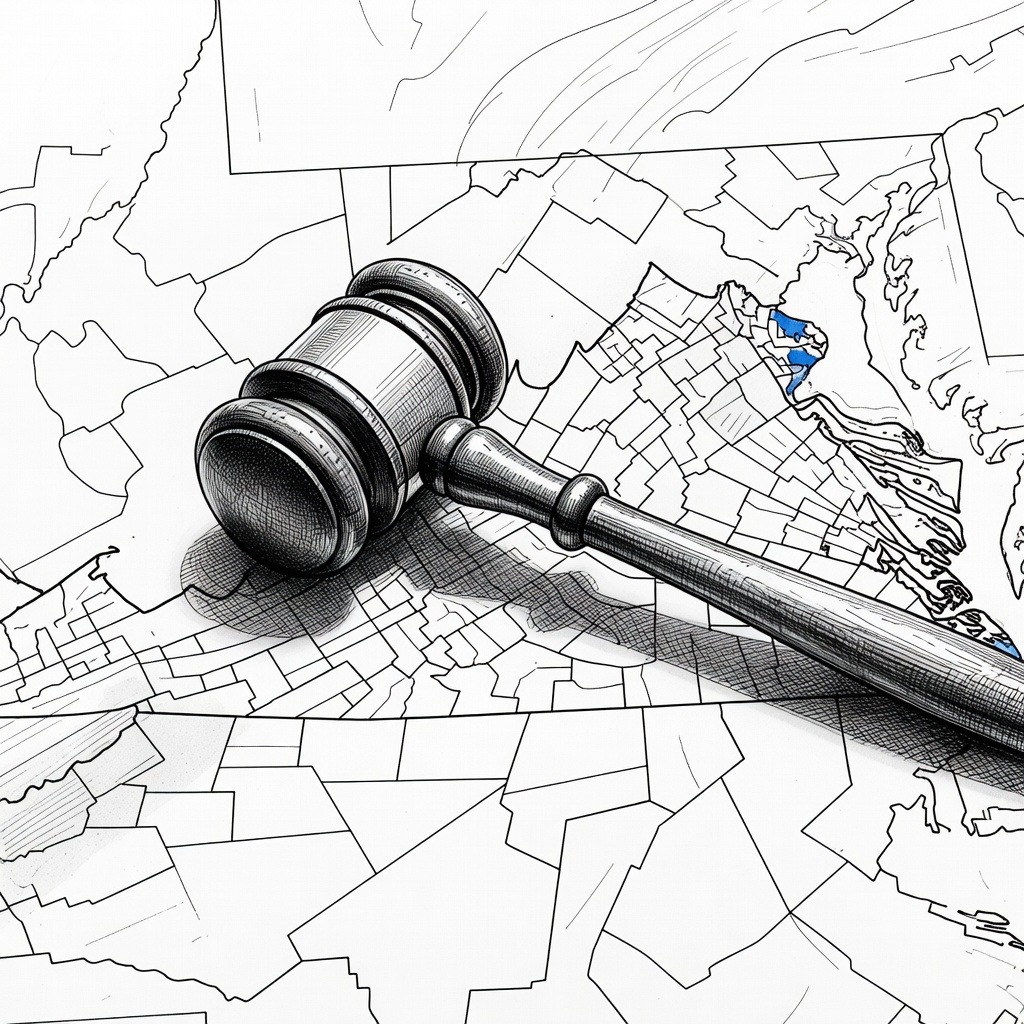
• Shielding the Democratic Mandate Prioritizing popular sovereignty, this camp views the judicial block as an anti-democratic intervention. Because voters formally approved the referendum by a three-point margin, Attorney General Jay Jones and aligned officials interpret voiding the results as a direct subversion of the public will. The overarching priority is protecting the electorate's voice from being silenced by procedural technicalities or partisan litigation.
• Countering Asymmetric Partisan Warfare Valuing national political equity, this framework interprets the measure as a vital defensive strategy against rival maneuvers. With Republicans aggressively redrawing maps in other states, Democrats view the temporary shift of four U.S. House seats as a necessary corrective action to balance national power. Unilateral disarmament in mid-decade redistricting is viewed as surrendering critical legislative leverage to an aggressive opposition.
• Checking Judicial Nullification Risks Fearing the weaponization of the courts, this side views the ruling as a dangerous precedent where a single judge can erase a certified election outcome. They argue that alleged procedural grievances—like disputes over public notice or ballot phrasing—should never override a definitive democratic choice. The long-term anxiety is that conservative legal challenges will increasingly be utilized as a veto mechanism against successful progressive electoral victories.
How it may affect me
As a U.S. reader:
• In the short term, the judicial block prevents a projected shift of four U.S. House seats toward Democrats, directly impacting the partisan balance of power in Congress.
• Ahead of the upcoming midterm elections, voters nationwide may face changing congressional district boundaries as both major parties continue to pursue mid-decade map alterations across multiple states.
• In the long term, the public may see an increase in lawsuits challenging citizen referendums, resulting in courts voiding certified election outcomes if ballot language is deemed confusing or public notice requirements are bypassed.
• Voters may encounter more stringent judicial oversight over electoral rules, which could prevent partisan manipulation of redistricting but also carries the risk of single judges overturning majority-approved ballot measures based on procedural technicalities.