
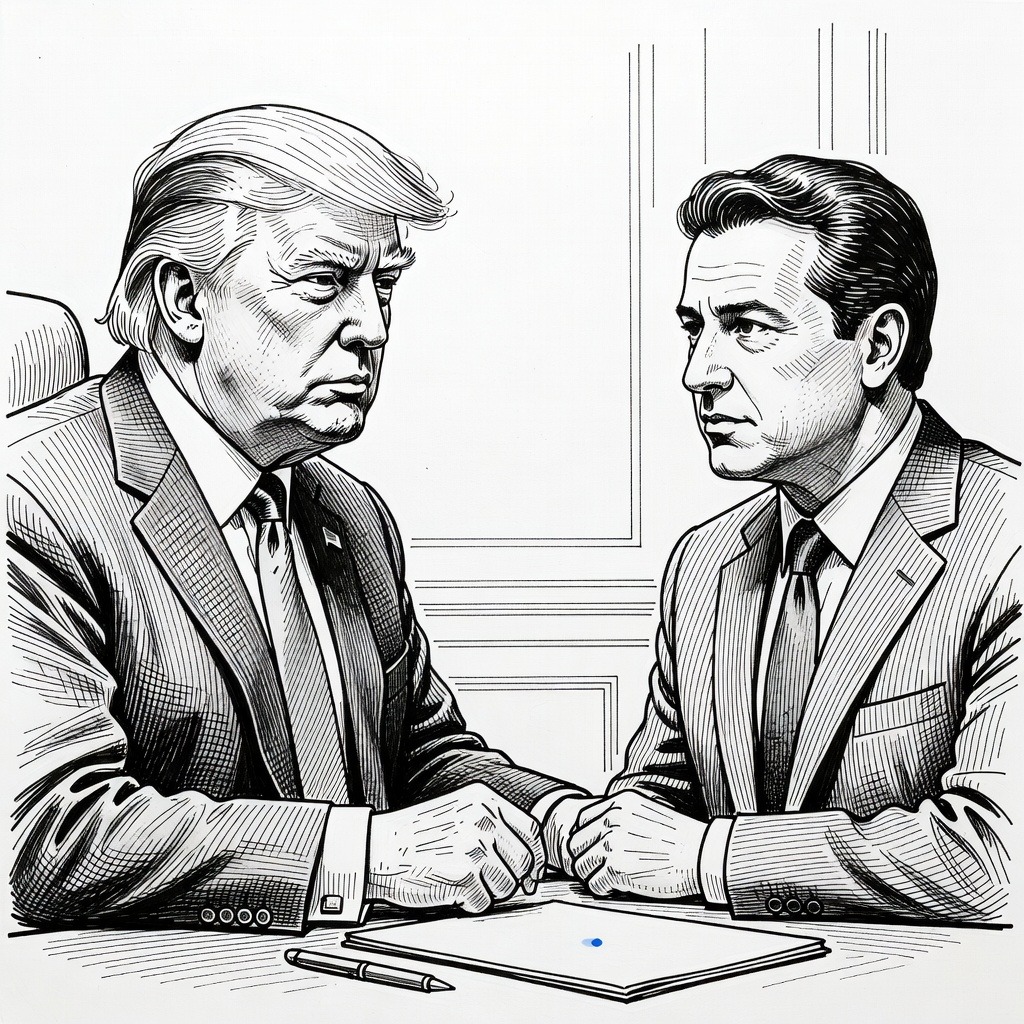
• Shielding the Domestic Taxpayer Prioritizes the economic security of everyday citizens over international financial maneuvering. With U.S. consumers already absorbing the shock of higher prices for everyday goods and taxpayers footing a billion-dollar daily bill for the conflict, subsidizing a high-income nation like the UAE is viewed as fundamentally regressive. This perspective rejects the premise that domestic working classes should shoulder the financial burden of stabilizing foreign capitals.
• Challenging Institutional Cronyism Scrutinizes the intertwining of public policy and private wealth extraction at the highest levels of government. By highlighting allegations that the president's family business profits from UAE ties, this camp frames the proposed swap lines not as neutral macroeconomic stabilization, but as potential crony capitalism. The demand for strict oversight by lawmakers reflects a deep suspicion that elite financial mechanisms are routinely weaponized to protect concentrated private interests rather than the public good.
• Exposing the Bailout Gamble Warns against the moral hazard of backstopping foreign economies, particularly when the supposed beneficiary openly denies needing the assistance. Establishing unrequested liquidity pipelines signals a readiness to socialize global financial risks while privatizing the gains of elite multinational partnerships. The long-term implication feared is a distorted global market where the Federal Reserve acts as an unconditional safety net for wealthy allies, eroding the imperative for equitable wealth distribution at home.
How it may affect me
As a U.S. reader:
• In the short term, the ongoing conflict is directly impacting household finances through higher prices for everyday goods and an estimated daily cost of over one billion dollars for American taxpayers.
• Over the long term, extending these currency swap lines to Gulf allies could prevent global supply chain fractures that would otherwise cause even greater inflationary pain for the domestic economy.
• The intervention aims to protect domestic wealth and financial market stability by preventing foreign nations from abruptly selling off U.S. assets to raise emergency capital.
• There remains a long-term risk that the domestic working class could ultimately shoulder the financial burden of stabilizing high-income foreign economies and socializing global market risks.