
• Illusion of Diplomatic De-escalation Announcing an indefinite ceasefire while simultaneously expanding a naval blockade and deploying thousands of troops represents a fundamentally contradictory approach to diplomacy. From this perspective, peace efforts are doomed to fail when accompanied by actions that constitute acts of war, such as port blockades. The Iranian perception that the extension is merely a cover for a surprise military strike is a highly predictable outcome of utilizing aggressive military encirclement under the guise of peace talks.
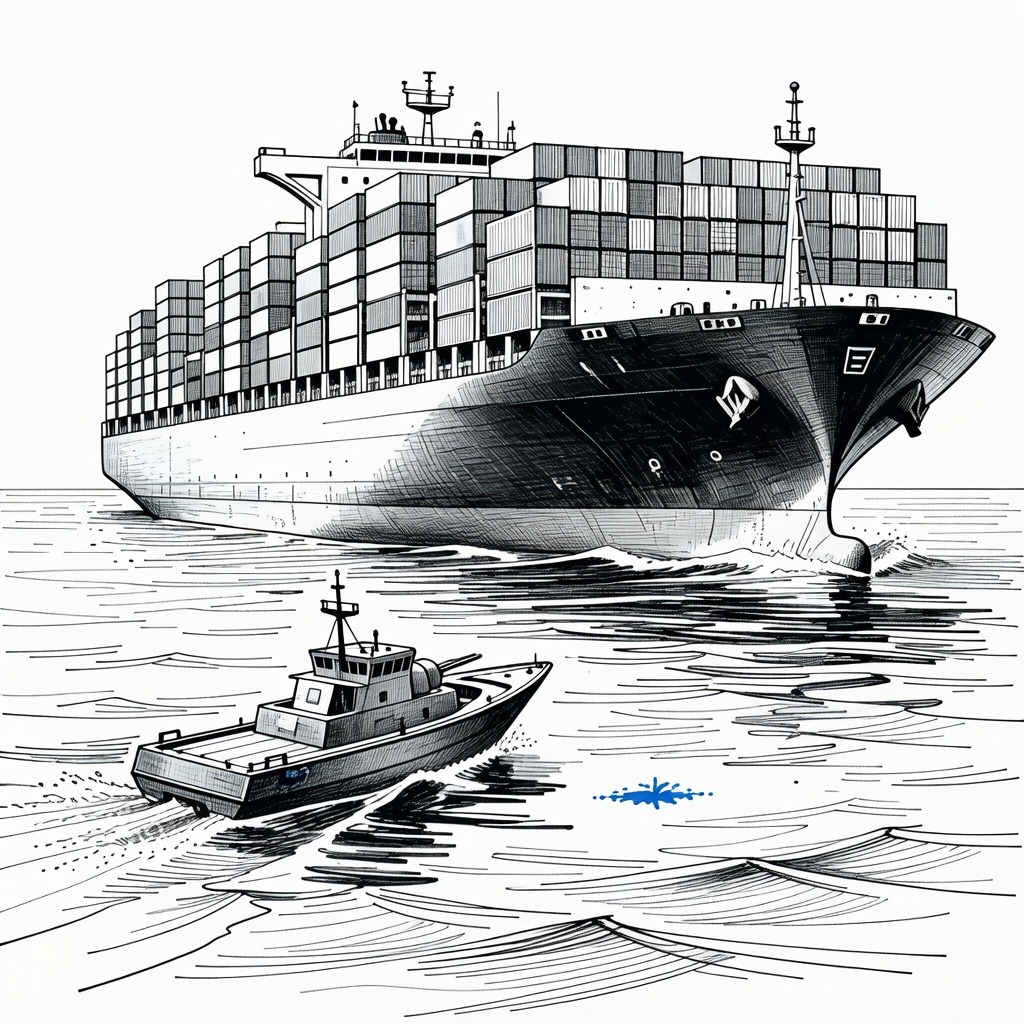
• Provoking Predictable Asymmetric Retaliation The U.S. seizure of an Iranian-flagged vessel virtually guaranteed a reciprocal escalation from the Islamic Revolutionary Guard Corps. By enforcing a suffocating blockade that Tehran equates to bombardment, the administration catalyzed the inevitable targeting of commercial ships like the *MSC Francesca* and *Epaminondas*. This cycle demonstrates how heavy-handed military enforcement actively sabotages diplomatic off-ramps, ultimately resulting in the collapse of the Islamabad negotiations and Vance's canceled trip.
• Ignoring Massive Collateral Damage The primary victims of this militarized brinkmanship are international civilian populations and interconnected global markets, not the warring governments. With Brent crude nearing $100 a barrel and immense logistical disruptions forcing carriers like Lufthansa to cancel 20,000 flights, the economic and human costs are devastating. This camp views the reliance on blockade tactics as strategically reckless, prioritizing abstract geopolitical dominance over the concrete stability and economic survival of the global populace.
How it may affect me
As a U.S. reader:
• In the short term, individuals will likely face surging energy costs and higher gas prices, as the conflict has pushed West Texas Intermediate crude oil prices above 90 dollars a barrel and Brent crude near 100 dollars.
• Air travelers can expect near-term disruptions and potential flight cancellations, as the doubling of jet fuel costs since the conflict began has already forced major carriers to cancel tens of thousands of upcoming flights.
• Consumers may experience broader economic friction and delays regarding international goods due to commercial shipping attacks disrupting global supply chains, though ongoing military deterrence is intended to permanently stabilize these logistical routes in the long term.
• Members of the public with family in the armed forces will be directly impacted by the continued deployment of thousands of additional U.S. troops to the Middle East to maintain the naval blockade on Iranian ports.