
• Prioritize Diplomatic Off-Ramps Extending the ceasefire via Pakistani intermediaries is viewed as a vital, pragmatic step to prevent bloodshed, but pairing this pause with a rigid blockade contradicts the core mechanics of de-escalation. By refusing to lift the naval cordon on Iranian ports, the administration undermines its own diplomatic leverage and turns the Islamabad negotiations into a rigid standoff rather than a genuine peace process. The overarching priority must be creating conditions where Iranian representatives can viably return to the table, which requires reciprocal concessions rather than unilateral ultimatums.
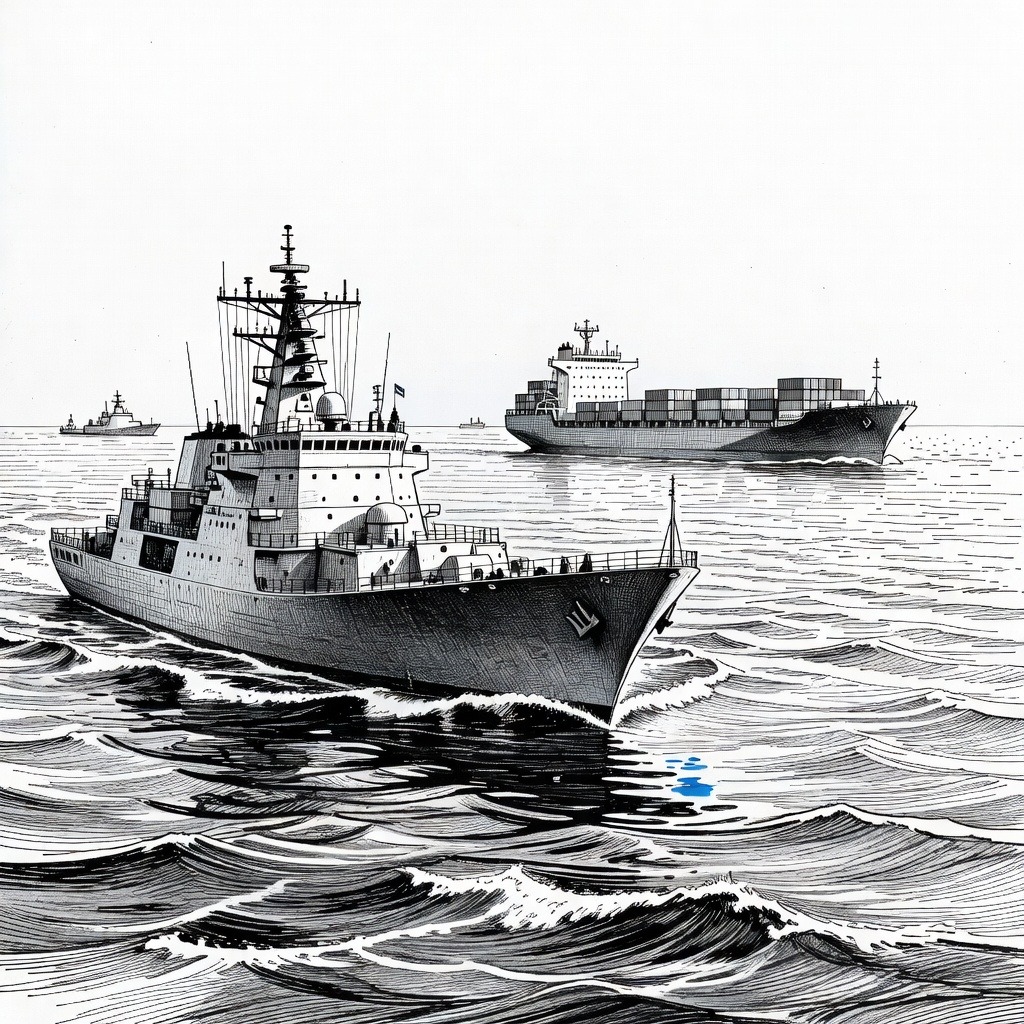
• Escalation Through Economic Siege The continued interception and boarding of sanctioned Iranian cargo vessels heightens the risk of accidental armed conflict and exacerbates an already dire humanitarian baseline. Treating these maritime interceptions as routine security measures ignores international concerns over economic warfare, lending credence to Iranian officials characterizing the boardings as piracy. This aggressive maritime posturing threatens the fragile ceasefire by actively provoking the adversary the administration is ostensibly trying to appease.
• Futility of Perpetual Brinkmanship Reports that 26 Iranian vessels successfully evaded American forces demonstrate the inherent flaws and unsustainability of using military cordons as a primary diplomatic tool. Maintaining armed readiness and dedicating vast Central Command resources to enforce a porous blockade only normalizes a perpetual cycle of militarization in the Strait of Hormuz. The long-term fear is that relying on continuous military friction rather than comprehensive diplomatic solutions will eventually trigger the catastrophic regional war the ceasefire was meant to avoid.
How it may affect me
As a U.S. reader:
• In the short term, the indefinite ceasefire extension temporarily pauses direct hostilities, reducing the immediate threat of active combat for American forces.
• Vast U.S. Central Command resources and military personnel will remain tied up indefinitely in a state of high armed readiness to enforce the naval blockade and intercept vessels.
• Ongoing disputes over the naval cordon and the failure to fully reopen the Strait of Hormuz to maritime traffic indicate continued economic warfare that may disrupt international shipping and cargo operations.
• In the long term, continuous military friction and the active boarding of ships elevate the risk of an accidental armed clash that could draw the United States into a catastrophic regional war.