
• Ultimatums Undermine Diplomatic Viability The Humanitarian prioritizes good-faith negotiation and views President Trump's threat of infrastructure strikes as fundamentally counterproductive to securing the Islamabad talks. By coupling Vice President JD Vance's diplomatic mission with explicit military ultimatums, this framework argues the U.S. strategy validates Iranian parliamentarians' refusal to negotiate under duress. From this perspective, weaponizing the expiring ceasefire guarantees a breakdown in dialogue and a rapid return to kinetic conflict.
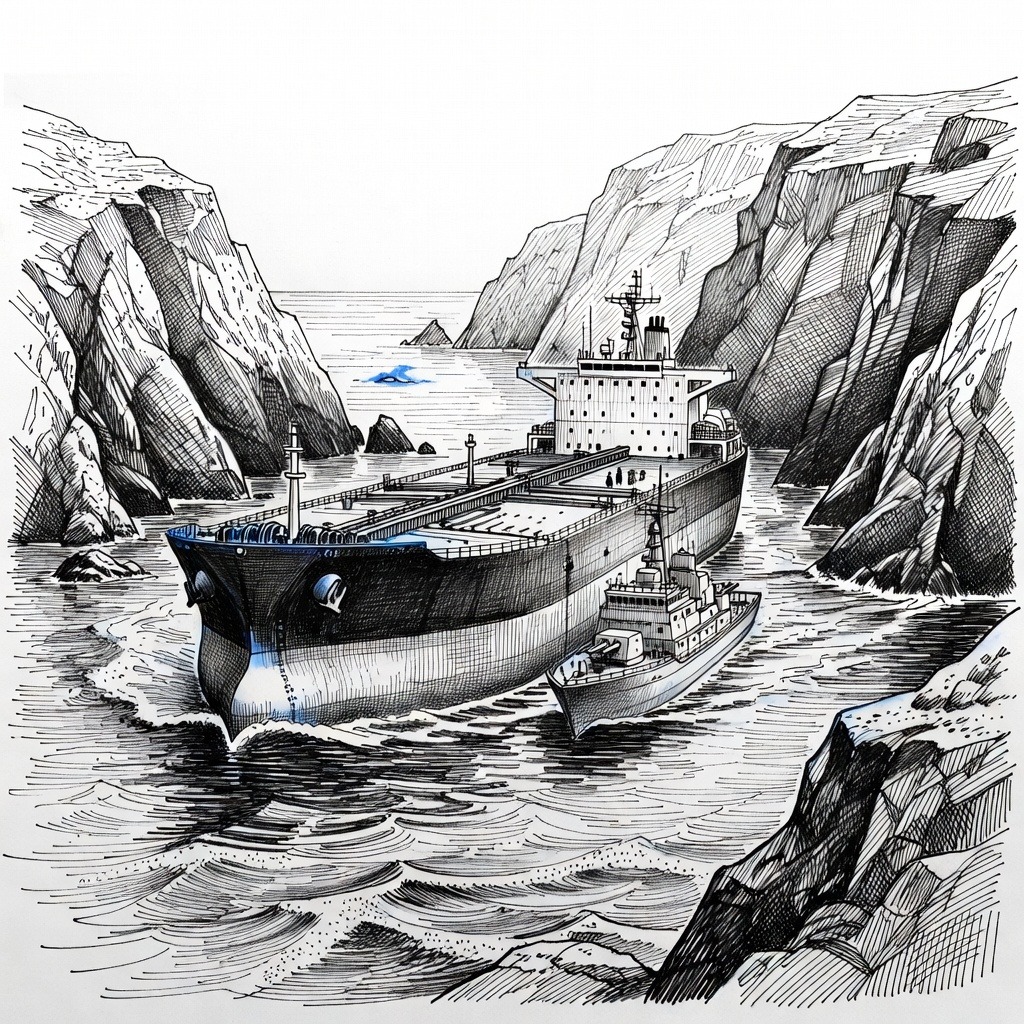
• Provocation Propels Retaliatory Cycles This lens focuses on the fragility of temporary truces and interprets the aggressive enforcement of the naval blockade as a catalyst for broader conflict. The U.S. decision to fire upon an Iranian cargo ship and seize a stateless tanker is viewed not as necessary security enforcement, but as premature escalation. Consequently, Iran’s choice to fire on vessels and reassert military control in the Strait of Hormuz is seen as the predictable result of localized policing triggering a mutual escalation spiral.
• Collateral Harm Outweighs Tactical Gains The Humanitarian centers the severe civilian and systemic costs of unilateral military friction over theoretical strategic dominance. With crude oil prices surging over fifty percent and global airlines reducing flights due to jet fuel shortages, this camp concludes that the current strategy is failing. The framework argues that blockading a maritime chokepoint responsible for twenty percent of global supply inflicts disproportionate economic devastation on international populations without advancing sustainable peace.
How it may affect me
As a U.S. reader:
• Short-term consumer energy and fuel costs are likely to increase, driven by a greater than fifty percent surge in global crude oil prices since the hostilities began.
• Short-term domestic and international travel will face immediate disruptions, including higher ticket fares and reduced commercial flight schedules caused by the threat to global jet fuel inventories.
• There is a long-term risk of broader U.S. military involvement and personnel deployment if the temporary ceasefire expires and threatened U.S. strikes on infrastructure trigger further battlefield escalation.
• Long-term economic conditions may experience sustained volatility if ongoing naval blockades and military friction permanently disrupt the twenty percent of the global oil supply that flows through the Strait of Hormuz.