
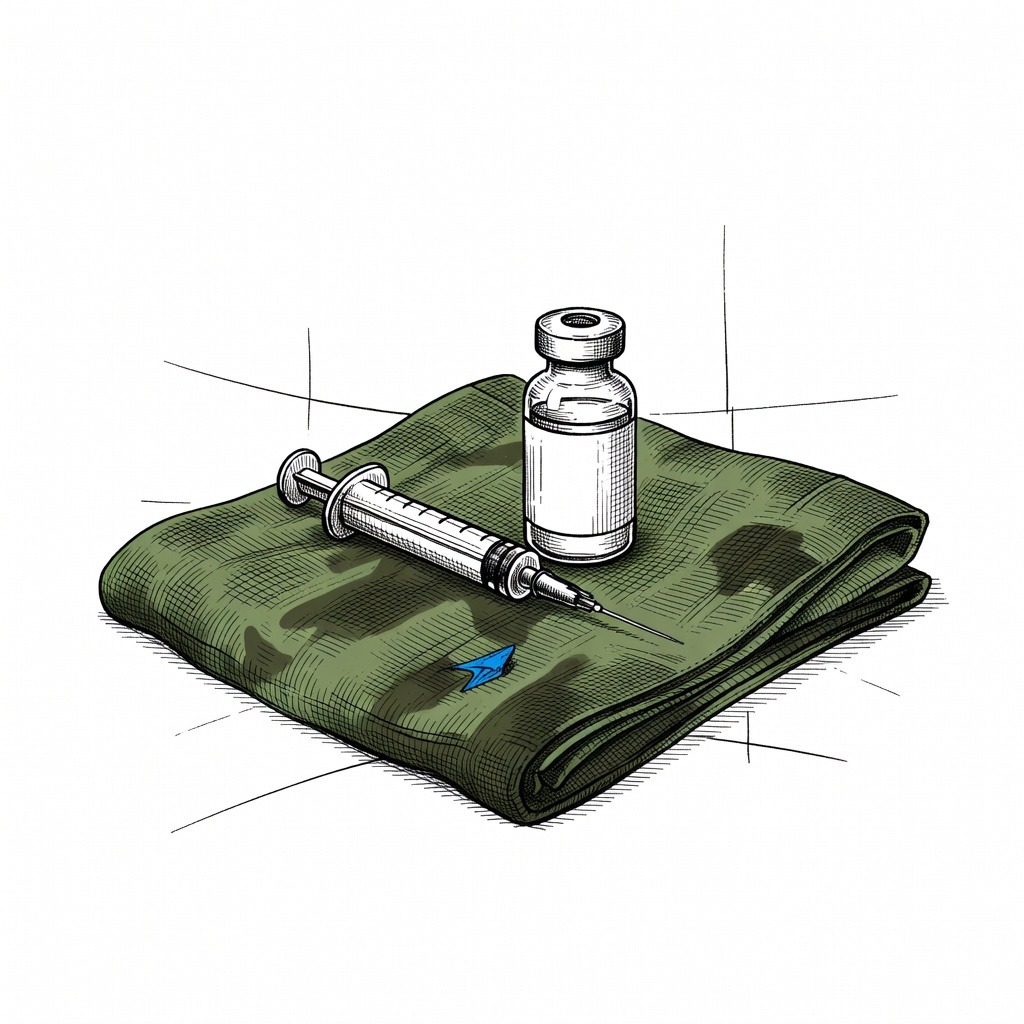
• Shielding the Vulnerable Ranks The elimination of the flu vaccine mandate is viewed as a failure of the government to protect its most foundational asset: the service members themselves. By ignoring the Navy and Marine Corps Force Health Protection Command’s guidance that vaccines are the most effective measure against severe illness, this camp believes ideological messaging is overriding scientific accountability. The core priority being protected is safeguarding the physical well-being of troops who live and operate in close-quarters environments where communicable diseases easily thrive.
• Sabotaging Core Institutional Readiness This faction interprets Secretary Hegseth’s claim that voluntary vaccination poses no threat to military readiness as a direct contradiction to established military medical consensus. Because the health command warns that widespread flu outbreaks can rapidly degrade mission execution, abandoning a universal standard is seen as an unnecessary, self-inflicted operational vulnerability. The underlying priority is maintaining a predictably stable, deployable force that relies on collective immunity rather than individual choices to ensure mission success.
• Weaponizing Public Health Policy The explicit linking of this policy shift to the previous COVID-19 mandate—which resulted in 8,000 dismissals—is viewed as a dangerous precedent of dismantling foundational health protocols. This camp fears that challenging the institutional status quo to accommodate medical noncompliance severely undermines the military's broader government accountability. The long-term implication is a structurally weakened defense apparatus where individual preference is permitted to override objective, data-driven collective security measures.
How it may affect me
As a U.S. reader:
• Civilian defense employees will experience an immediate change in workplace requirements, as they are no longer mandated to receive the seasonal flu shot to maintain their government employment.
• Short-term national security could be impacted if voluntary vaccination leads to widespread flu outbreaks in close-quarters environments, which military health commands warn can quickly degrade mission execution.
• Long-term defense capabilities may be stabilized by improved troop retention, avoiding the artificial depletion of military ranks and the forced dismissal of highly trained personnel over medical noncompliance.
• The policy change will alter the immediate allocation of taxpayer resources, as scaling back universal mandates builds upon existing directives to conserve administrative funding and create a leaner defense institution.
• Over the long term, eliminating foundational collective immunity protocols within a massive federal department could set a precedent that influences how broader government public health policies are managed and enforced.