
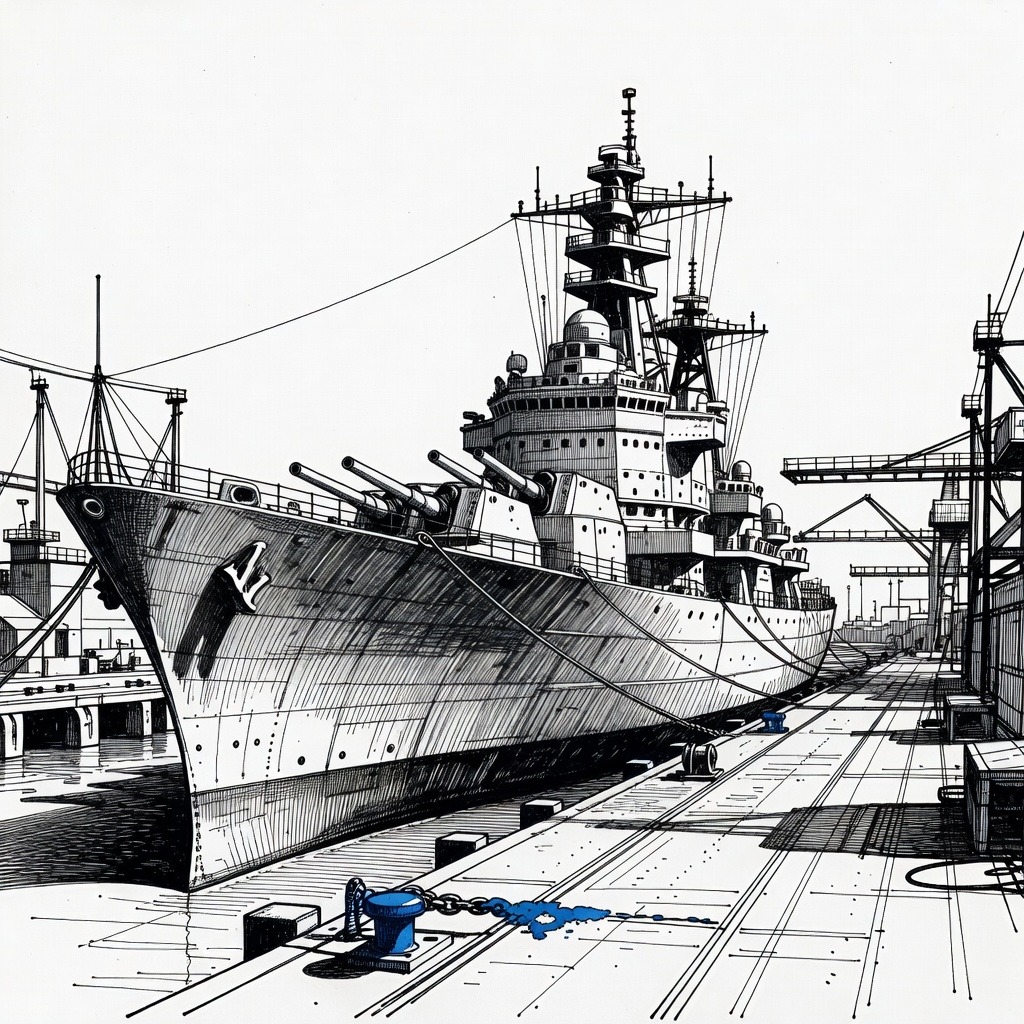
• Dismantling of Constitutional Pacifism The post-WWII ban on lethal weapons exports is viewed not as a historical relic, but as a moral and legal anchor preventing state militarization. By permitting the sale of missiles and warships, Prime Minister Sanae Takaichi’s administration is seen as actively violating Article 9 of the constitution, which explicitly renounces war. The protests outside the National Diet Building reflect a deep-seated civic fear that abandoning these long-held pacifist provisions strips the nation of its fundamental civilizational safeguards.
• Fueling Regional Arms Proliferation Exporting lethal military hardware to neighboring countries is evaluated through the lens of conflict escalation rather than security. While officials claim the policy counters threats, the humanitarian logic dictates that injecting advanced weaponry into nations like the Philippines and Indonesia inevitably exacerbates global tensions. Even with stipulations barring sales to active war zones, flooding a volatile geopolitical region with new armaments is viewed as sparking a dangerous arms race rather than fostering diplomatic de-escalation.
• Profit-Driven Military Industrialization Justifying lethal exports as a mechanism to stimulate Japan's domestic defense industry signals a dangerous shift toward prioritizing a military-industrial complex over ethical restraint. Awarding lucrative international contracts, such as the Mitsubishi Heavy Industries deal to construct warships for the Australian navy, suggests that economic incentives are beginning to override humanitarian concerns. The core risk identified here is that corporate profit motives, rather than strict self-defense, will increasingly dictate the nation's geopolitical footprint and weapons proliferation.
How it may affect me
As a U.S. reader:
• Based strictly on the provided text, no significant public impact is expected for the general public in the United States, as the policy shift and its resulting geopolitical and economic effects focus entirely on Japan, its domestic defense industry, and its international contracts with nations such as Australia, New Zealand, the Philippines, and Indonesia.