
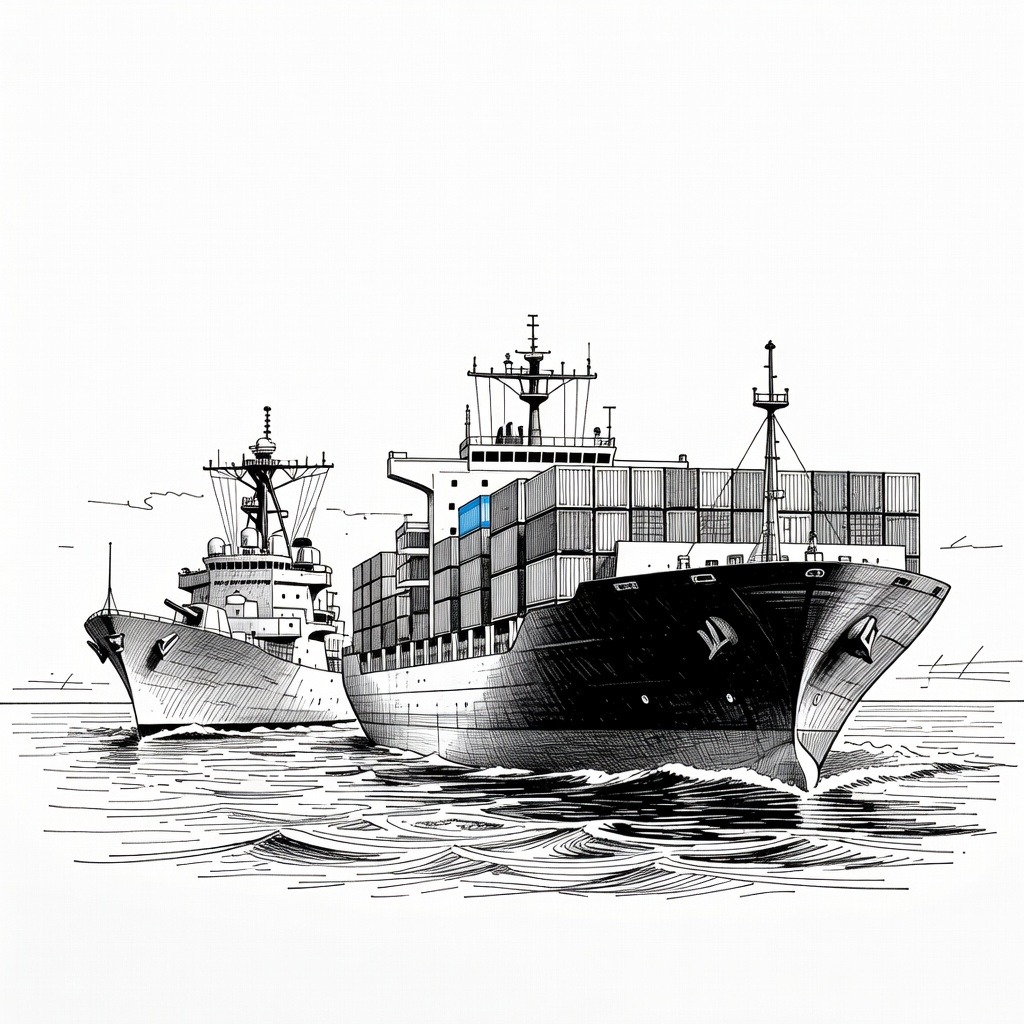
• Sabotaging Diplomatic Off-Ramps Prioritizing de-escalation means viewing the USS Spruance’s kinetic interception as a dangerous provocation just days before the Wednesday ceasefire expiration. By escalating to live fire to seize a cargo ship, the U.S. risks triggering the exact Iranian retaliation that diplomacy seeks to avoid. This aggressive enforcement undermines the fragile ceasefire framework, substituting international dialogue with unilateral brinkmanship that rarely yields long-term stability.
• Imposing Collateral Economic Harm Valuing global equity requires scrutinizing the broad collateral damage that military blockades inflict on civilian populations and global supply chains. The shipping slowdowns in the Strait of Hormuz and resulting elevated oil prices act as a regressive economic penalty on ordinary citizens. By disrupting the Yiwu manufacturing hub and forcing a 15 percent price increase on imported goods like artificial Christmas trees, the blockade shifts the punitive burden of state conflicts directly onto working-class American consumers.
• Fueling Endless Retaliatory Cycles Protecting long-term international security means recognizing that military coercion frequently generates self-perpetuating cycles of hostilities. Iran's immediate public vow to retaliate to the April 20 seizure validates the fear that aggressive maritime maneuvers create more geopolitical volatility, not less. Without prioritizing renewed, binding agreements before the Wednesday deadline, this tactical vessel seizure risks dragging the region into a broader, uncontainable conflict over marginal cargo enforcement.
How it may affect me
As a U.S. reader:
• Short-term costs for artificial Christmas trees and seasonal decorations are expected to rise by at least 15 percent this holiday season due to increased petroleum-based material expenses and supply chain disruptions.
• Delivery timelines for seasonal retail goods may shift, as overseas manufacturers are currently moving shipments earlier in the year to offset potential transport delays.
• Elevated global oil prices caused by the active blockade and shipping slowdowns in the Strait of Hormuz may lead to broader, ongoing economic costs for ordinary citizens.
• Long-term national security and market stability could be affected if the impending ceasefire expiration and Iran's vow to retaliate escalate into a broader, prolonged regional conflict.