
• Dismantle Entrenched Lobbying Power The Reformer views the booing of Haley Stevens and the cheering of Abdul El-Sayed as a necessary democratic correction against entrenched institutional leverage. By challenging a candidate backed by traditional pro-Israel groups, this camp prioritizes human rights and grassroots accountability over maintaining the foreign policy status quo. El-Sayed’s explicit condemnation of Benjamin Netanyahu aligns with a moral imperative to protect vulnerable populations rather than preserving historic diplomatic norms.
• Redefine Acceptable Political Boundaries Amir Makled’s victory over incumbent Jordan Acker signals a successful disruption of legacy power structures within the state party infrastructure. The Reformer interprets the backlash against El-Sayed's association with Hasan Piker not as a legitimate institutional grievance, but as an establishment tactic used to silence anti-status-quo voices. Expanding the boundaries of political debate to include aggressive, non-traditional critiques of global power is viewed as vital for true systemic reform.
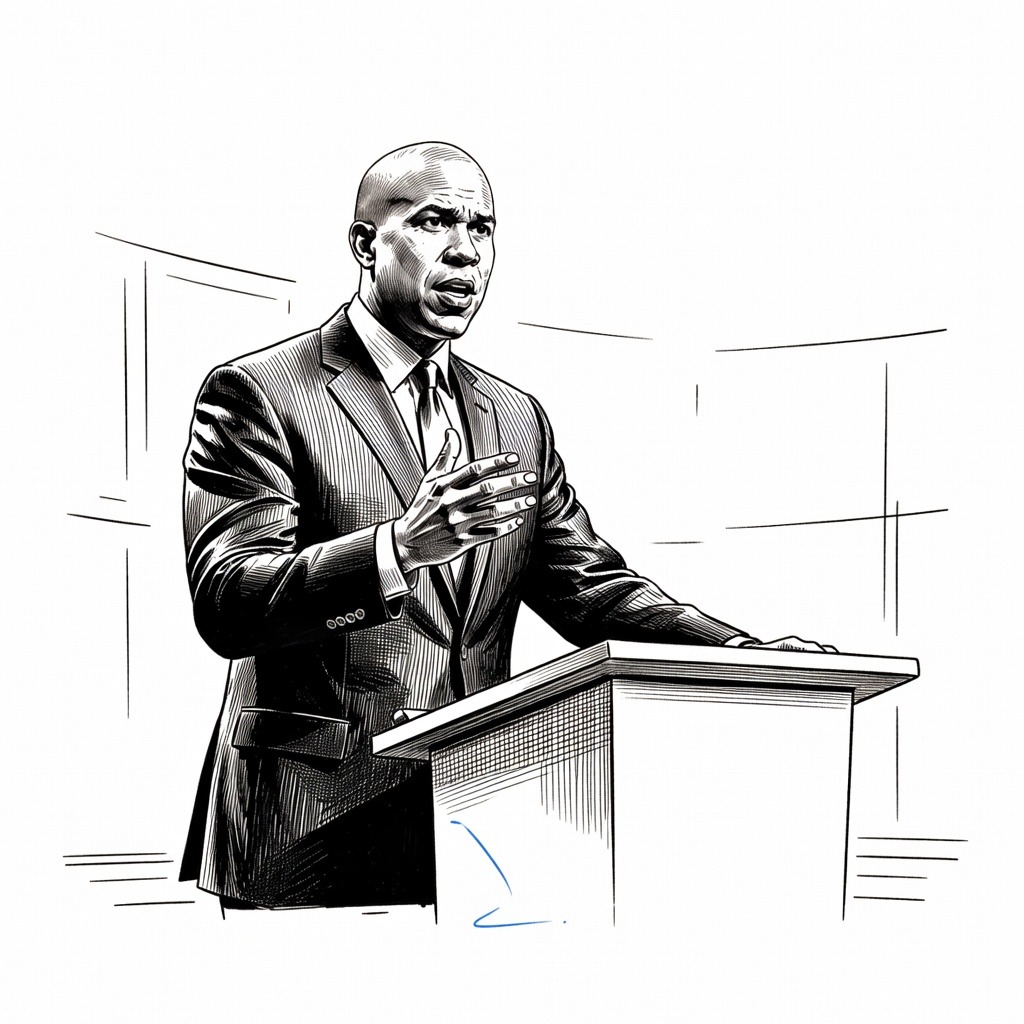
• Weaponize Voter Block Leverage Senator Cory Booker’s plea for electoral unity is viewed through a highly skeptical lens as a demand for unconditional institutional loyalty. The Reformer believes that threatening to withhold votes over fundamental disagreements—such as international conflict and human rights—is an essential mechanism to force party realignment. They fear that automatically surrendering their vote allows moderate power structures to perpetually ignore progressive civil rights priorities under the perpetual threat of worse opposition.
How it may affect me
As a U.S. reader:
• In the short term, the willingness of voter blocs to withhold their support over singular issues like international conflict could alter upcoming electoral outcomes, which may subsequently impact how government institutions are managed and civil rights are protected.
• Over the long term, the primary's focus on the Middle East conflict signals a potential shift in United States foreign policy, which could alter whether the country maintains strategic support for historical global allies or redirects its focus toward emerging grassroots human rights demands.
• The deepening ideological divides and allegations of extensive prejudice, such as antisemitism within state party structures, may further erode broader social cohesion and redefine the boundaries of acceptable public political discourse.