
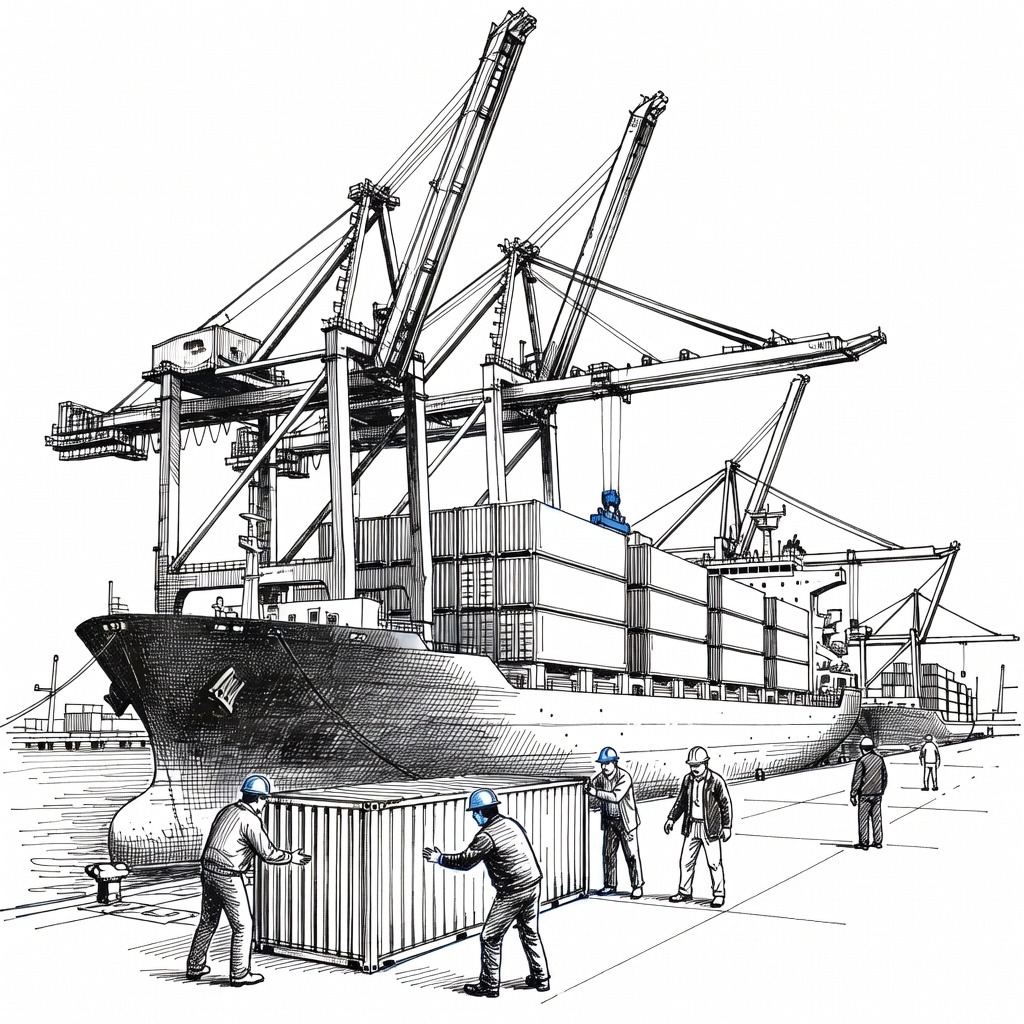
• Severing the Dependency Trap Challenging the institutional status quo of absolute reliance on the U.S. market is viewed as a necessary defense against foreign economic extraction. By highlighting how Great Depression-level tariffs directly harm Canadian steel and auto workers, this framework positions international diversification as a shield for the vulnerable working class. Over-reliance on a single foreign partner is diagnosed as a structural failure that leaves domestic labor at the mercy of external political volatility.
• Pivoting Toward Green Autonomy Modernizing domestic infrastructure is prioritized to build sustainable industries that serve the public interest rather than legacy corporate monopolies. The administration's commitment to doubling Canada’s clean energy capacity represents a strategic shift toward future-proofed sectors that can operate independently of cross-border supply chains. This transition fundamentally transforms a punitive external trade environment into an opportunity for progressive economic restructuring.
• Reclaiming Sovereign Leverage Securing national borders and dictating internal economic policy is framed as an essential assertion of governmental accountability. Yielding to opposition pressure to secure a trade deal ahead of the July NAFTA review is perceived as capitulation to an inherently exploitative dynamic. By actively pursuing alternative international trade agreements, this camp believes Canada can sustainably insulate its consumers and workers from unilateral U.S. disruptions.
How it may affect me
As a U.S. reader:
• Short-term disruptions or price changes in steel and automotive sectors are possible as U.S. tariffs remain in place and Canada begins restructuring these industries to operate independently of American supply chains.
• In the short term, U.S. businesses relying on cross-border commerce may face increased uncertainty and stalled investment if Canada prioritizes alternative global trade agreements over securing a U.S. deal before the July NAFTA review.
• Over the long term, U.S. integration with Canadian energy markets could shift significantly as Canada plans to double its domestic clean energy capacity to insulate itself from external trade volatility.
• Long-term continental security and regional market stability may be impacted as Canada explicitly distances itself from its historical economic and military reliance on the United States in favor of new international partnerships.