
• Dismantle Real Estate Hoarding Prioritizes social equity by treating housing as a fundamental resource rather than a speculative financial instrument. Mamdani's targeting of $5 million pied-à-terres addresses the structural extraction where wealthy non-residents park capital in vacant properties. This camp views this practice as a direct driver of artificial market inflation, locking working-class residents out of their own city to subsidize elite wealth storage.
• Demand Structural Civic Equity Rejects the premise that philanthropic charity can substitute for mandatory, systemic civic contribution. While executives like Ken Griffin may donate $600 million and employ 2,000 people, this framework argues that relying on billionaire benevolence creates an unaccountable dynamic where the wealthy dictate public priorities. Formal taxation ensures reliable, democratized funding for public goods without bowing to the arbitrary whims of ultra-wealthy individuals.
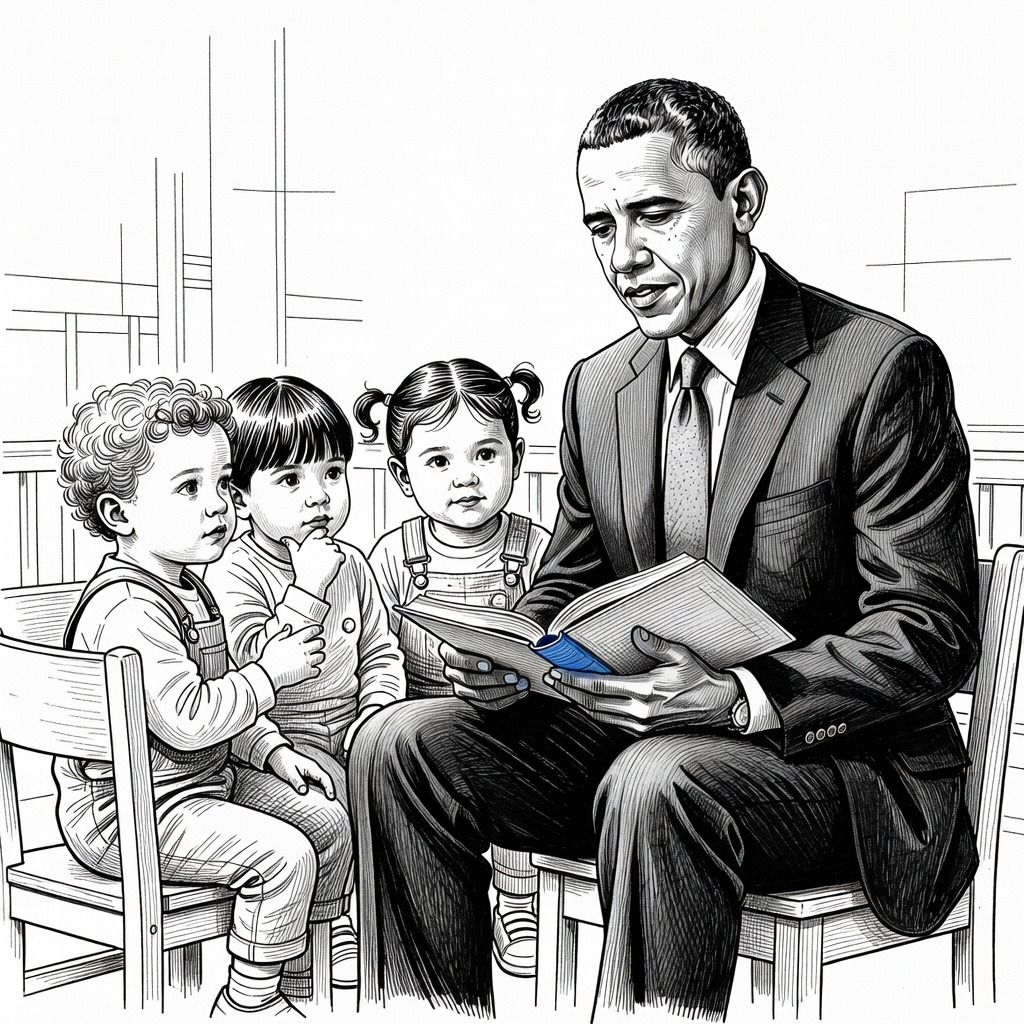
• Leverage High-Profile Alliances Views institutional backing as vital armor against top-down retaliation and corporate pushback. Mamdani's immediate alignment with Barack Obama on early childhood education provides mainstream validation for his systemic reforms and grounds the wealth tax in tangible social benefits. This strategic partnership serves to counterbalance Trump's threats to withhold federal funding, establishing a unified coalition to defend the city’s working-class agenda.
How it may affect me
As a U.S. reader:
• Working-class residents could experience a decrease in artificial housing market inflation over the long term if the proposed tax successfully discourages wealthy nonresidents from holding vacant properties as wealth storage.
• The public might face localized job losses and a reduction in private donations to community institutions like hospitals and museums if the tax policy triggers capital flight among high-net-worth executives.
• Residents could endure short-term or long-term disruptions to essential public services if the political conflict over the tax results in the president following through on his threat to withhold federal funding.
• Communities may see a structural shift in how local public goods and early childhood education initiatives are funded, transitioning away from reliance on voluntary billionaire philanthropy toward mandatory municipal taxation.