
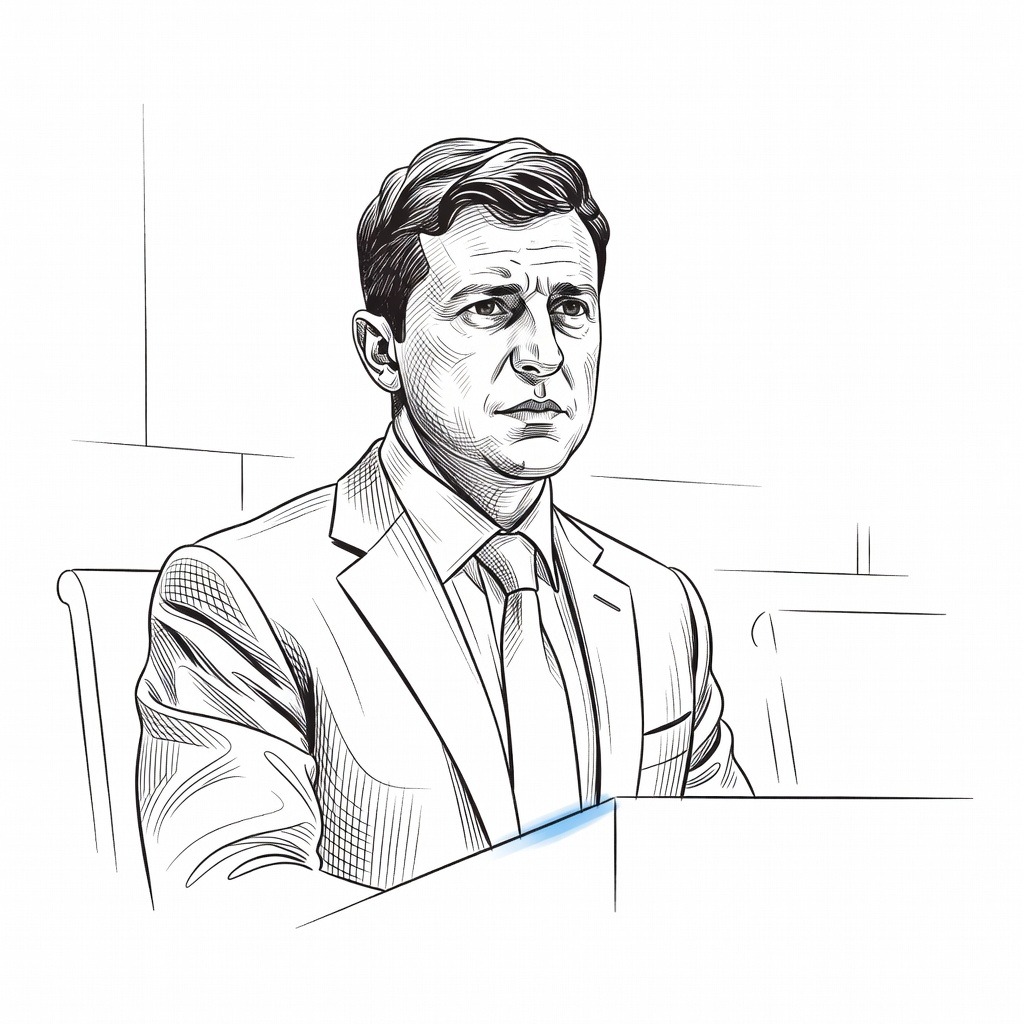
• Exposing Institutional Safeguard Failures The revelation that a 58-year-old man with a prior criminal record maintained a valid weapons permit highlights a catastrophic breakdown in state regulatory systems. Reformers view this bureaucratic oversight as the primary enabler of the tragedy, demonstrating how lax administrative controls directly endanger the vulnerable public. This camp argues that preventing future mass casualty events requires stringent government accountability and immediate reform of how civilian armament registries are monitored.
• Highlighting Social Isolation Blindspots The attacker's profile as an educated, isolated individual who rarely socialized points to a deeper crisis of unaddressed psychological and communal fragmentation. Rather than viewing the shooter strictly as an unprovoked threat, this perspective identifies a failure in the social safety net to detect and intervene in severe alienation. Protecting the populace means addressing these underlying social determinants of violence before they manifest into attacks on civilian spaces like supermarkets and apartment buildings.
• Challenging Rushed Terrorism Classifications The SBU's rapid designation of the shooting as an act of terrorism raises concerns about framing domestic violence through a strictly militarized and geopolitical lens. Because the suspect was Russian-born and lived in the Donetsk region, reformers worry that authorities might default to wartime scapegoating rather than thoroughly investigating the local, administrative failures that armed him. There is a profound risk that elevating a mass shooting to a national security event obscures the mundane but deadly reality of broken background check protocols.
How it may affect me
As a U.S. reader:
• There is no significant impact expected for the general public in the United States, as the provided text details a localized criminal and security event strictly contained within Ukraine.