
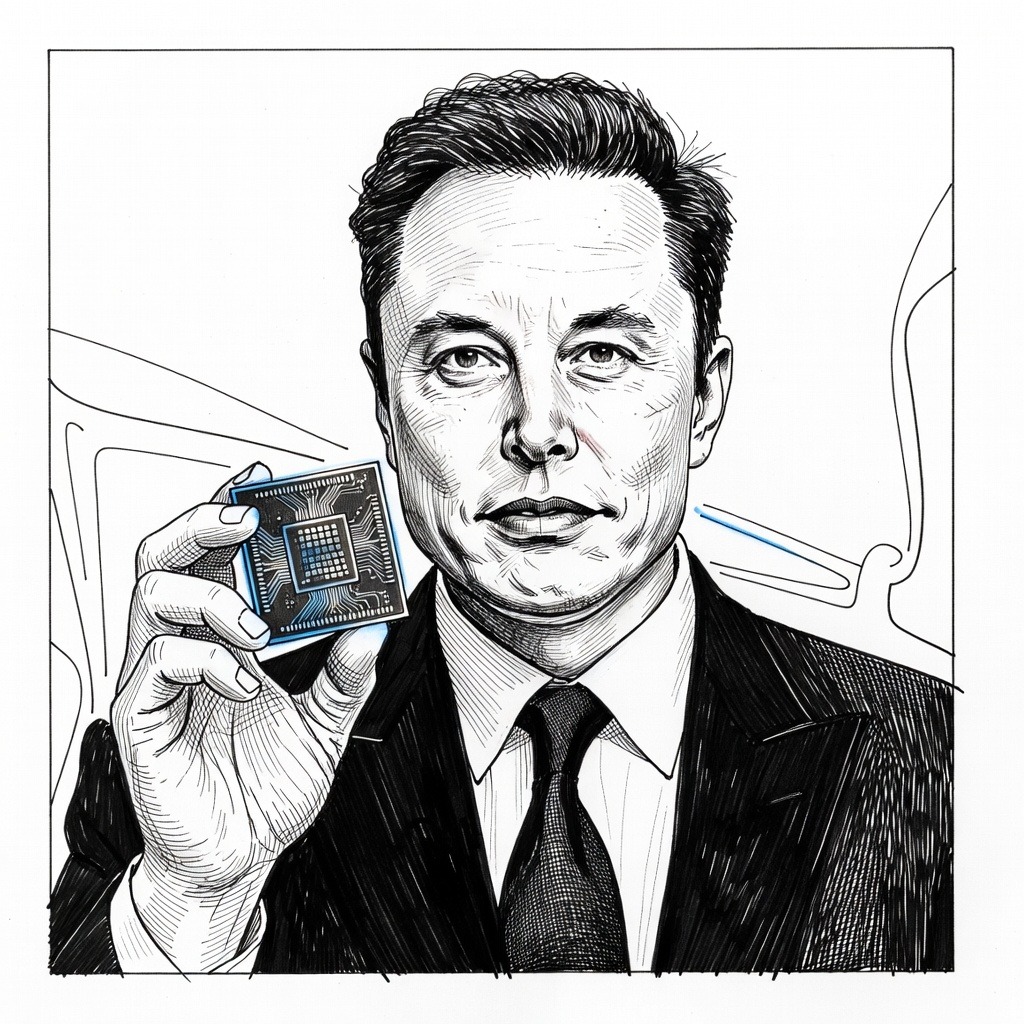
• Illusion of Broad Prosperity Prioritizing equitable growth means viewing the historic 32 percent surge in Oracle and 14 percent jump in Microsoft not as a collective victory, but as a concentration of capital. These market highs are driven by highly speculative AI data center deals and chip milestones that disproportionately reward shareholders while masking broader economic stagnation. The underlying weakness of this tech-driven rally is exposed by the reality that the expanded tech-software ETF remains down 20 percent for the year despite the weekly surge.
• Extraction Through Consumer Debt Protecting vulnerable populations requires scrutinizing the actual mechanics behind massive financial sector profits. The "consumer resilience" championed by executives at JPMorgan and Wells Fargo is explicitly tied to increases in credit card volume, signaling that consumers are increasingly reliant on high-interest debt to maintain their standard of living. Record first-quarter earnings beats from institutions like Goldman Sachs and Bank of America therefore represent the extraction of wealth from the working class rather than genuine, widespread economic health.
• Fragility of Speculative Bubbles Sustainable economic policy seeks structural stability rather than an over-reliance on sudden executive pronouncements and volatile diplomatic pivots. A stock market that surges based on Elon Musk's isolated claims about Tesla's AI5 chip or immediate reactions to ceasefire announcements is inherently precarious and hyper-financialized. This environment incentivizes rapid, short-term speculation based on geopolitical headlines rather than encouraging long-term investments in tangible, labor-centric economic foundations.
How it may affect me
As a U.S. reader:
• Individuals with retirement accounts or market investments may experience short-term portfolio growth from the recent tech and banking rallies, though long-term stability remains uncertain since key tech funds are still down for the year.
• Everyday shoppers might face increasing personal financial strain, as the current consumer resilience and major bank profits are heavily driven by rising credit card volumes and reliance on debt.
• The public could benefit from more reliable global commerce and trade in the near term, as de-escalating conflicts in the Middle East and the reopening of the Strait of Hormuz secure international shipping routes.
• In the long term, aggressive corporate spending on artificial intelligence and data centers may alter the technological infrastructure of the economy, which could drive future productivity but currently concentrates wealth among shareholders rather than the broader workforce.