
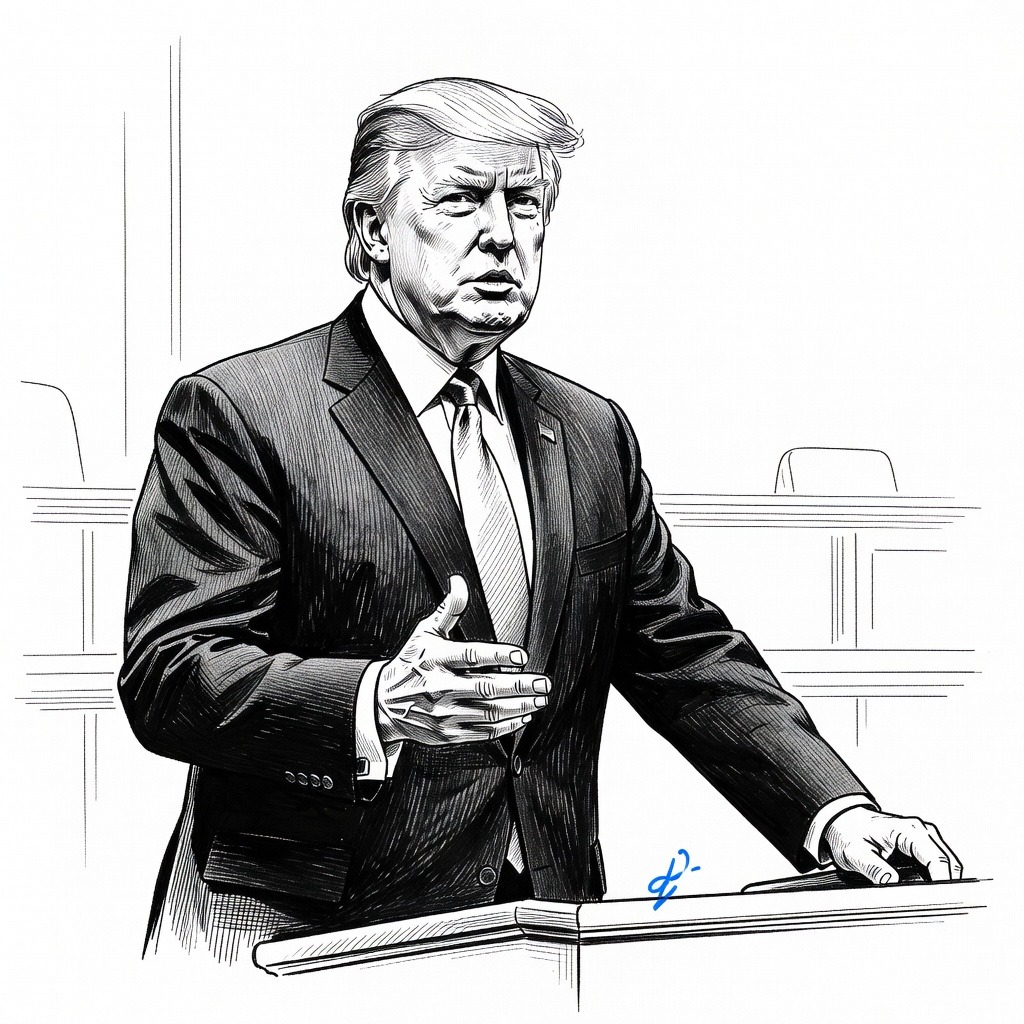
• Anchor in Diplomatic De-escalation Securing a peaceful transfer of enriched uranium without financial compensation validates diplomacy over kinetic military action. The scheduled Islamabad negotiations and the concurrent 10-day Israel-Lebanon ceasefire demonstrate that institutional dialogue can successfully diffuse entrenched regional hostilities. This framework views the negotiated handover of nuclear material as a triumph of patient statecraft over the unpredictable and devastating chaos of armed conflict.
• Condemn Aggressive Naval Brinkmanship Maintaining a unilateral naval blockade contradicts the spirit of the ceasefire and actively exacerbates global vulnerabilities. While officials claim the Strait of Hormuz is open, the ongoing blockade provokes Tehran's threats of closure and causes commercial ships to flee due to unresolved transit approvals. This persistent military posturing directly worsens the physical energy supply shortages threatening civilian populations, proving that aggressive deterrence often inflicts immediate collateral damage.
• Reassert Institutional Military Oversight Approaching the 60-day military engagement threshold necessitates strict congressional checks on executive war-making powers. Lawmakers demanding a clear withdrawal strategy and defined parameters for future operations are protecting democratic accountability and constitutional balance. Unchecked deployments risk dragging the nation into open-ended conflicts, making immediate legislative guardrails essential to prevent mission creep and domestic economic devastation from rising fuel and fertilizer costs.
How it may affect me
As a U.S. reader:
• In the short term, functional halts to commercial shipping in the Strait of Hormuz are worsening physical energy supply shortages, which could lead to increased fuel prices for American consumers.
• Sustained high costs for fertilizer, driven by these energy market disruptions, could cause severe domestic economic strain and impact domestic agricultural sectors.
• As the U.S. military engagement approaches a 60-day threshold, citizens may be affected by upcoming congressional decisions regarding the authorization of taxpayer war funding and parameters for future military operations.
• In the long term, successful diplomatic negotiations to transfer Iranian enriched uranium to the United States without financial compensation could alter national security dynamics by neutralizing a regional nuclear threat.