
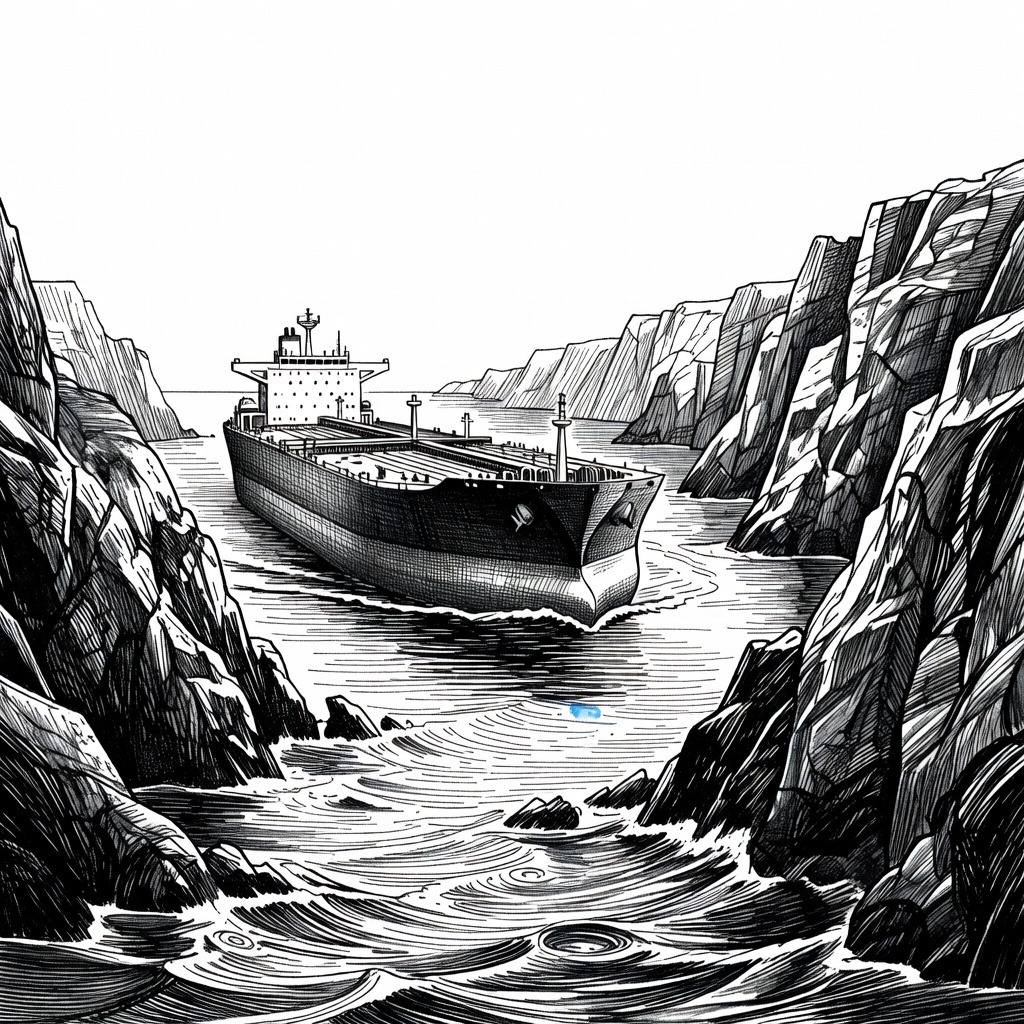
• Catalyst for Global Destabilization Prioritizes diplomatic de-escalation and the protection of vulnerable populations from man-made economic shocks. This framework views the late February 2026 military strikes against Iran as a reckless use of force that directly provoked the closure of the Strait of Hormuz. Cutting off 20 percent of the global oil supply and a third of fertilizer transit is interpreted not as an unavoidable casualty of war, but as a severe diplomatic failure that is actively inflicting inflation and suffering on import-dependent nations like Sri Lanka.
• Pivot Toward Green Resilience Values systemic reform and views fossil fuel dependency as a fatal vulnerability for global stability. The economic shock resulting from the blocked waterway validates the urgency expressed at the Washington international finance meetings regarding an accelerated transition to renewable energy. This camp reasons that breaking structural reliance on volatile Middle Eastern oil networks is the only sustainable method to shield global consumers from future geopolitical weaponization of energy markets.
• Unmasking Institutional Profiteering Prioritizes government accountability and suspects that military escalations frequently mask systemic inequality and elite wealth extraction. Vice President Kamala Harris’s critique linking President Trump's military actions to gasoline prices exceeding $4 per gallon highlights the disproportionate economic burden placed on the working class. Furthermore, Representative Sam Liccardo’s demand for an investigation into suspicious market trades executed right before presidential announcements validates deep-seated concerns that insiders are financially exploiting state-sponsored violence.
How it may affect me
As a U.S. reader:
• Short-term, you will face higher transportation costs as the disruption of global oil supplies has already driven domestic gasoline prices above $4 per gallon.
• You can expect higher prices for groceries and basic necessities in the near future, resulting from the severe halt in global fertilizer transit and compounding fuel expenses.
• Long-term, you may see shifts in domestic energy policy as lawmakers and global leaders debate accelerating the transition to renewable energy to offset ongoing fossil fuel shortages.
• You could experience secondary economic disruptions or changes in product availability if the U.S. government follows through on threats to sever trade ties with Spain over military disagreements.
• You might witness potential shifts in financial regulations or market trust as federal authorities investigate allegations of insider trading executed shortly before presidential announcements regarding the conflict.