
• Piercing the State Shield This framework prioritizes strict oversight of state actors to prevent institutional impunity and protect civil liberties. By issuing a nationwide arrest warrant and leveling two felony assault charges against Morgan, Hennepin County signals that federal badges do not grant immunity from local laws. The swift progression of the case, aided by a lack of obstruction, validates the push for transparent, unhindered investigations into law enforcement misconduct.
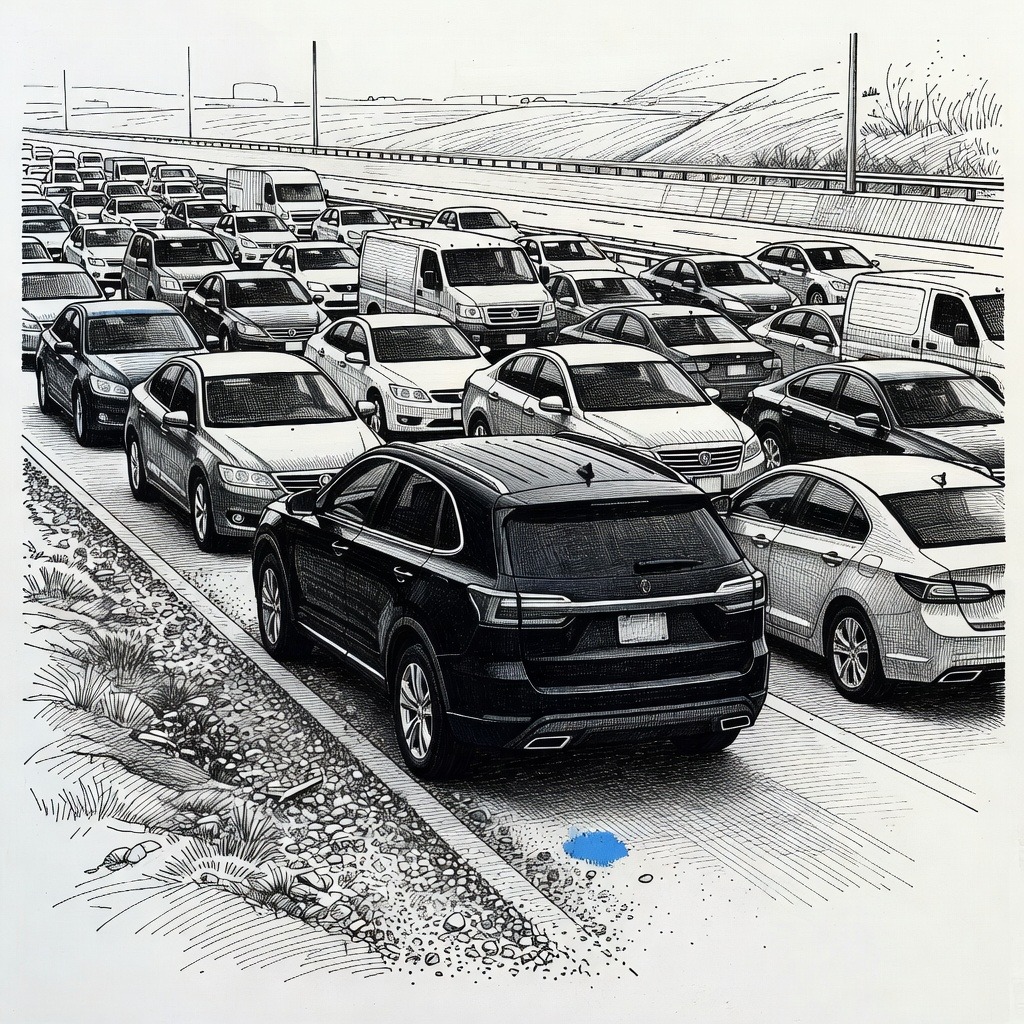
• Indictment of Systemic Overreach This incident is viewed not as an isolated lapse in judgment, but as a symptom of unchecked militarization. The broader context of "Operation Metro Surge" and the prosecutor's review of multiple incidents, including alleged shootings, confirms suspicions that aggressive federal mandates inherently breed civil rights violations. The use of an unmarked SUV to bypass traffic reflects an unacceptable entitlement and a disregard for the safety of the public sphere.
• Rejecting Lethal Escalation Tactics Protecting the vulnerable requires rejecting the premise that an officer's subjective fear justifies lethal posturing. Drawing a firearm on civilians who temporarily blocked a vehicle over a traffic dispute represents a gross failure of proportionality and de-escalation. The overriding concern is that federal agents are culturally conditioned to view the public as "agitators," transforming minor civic friction into potentially fatal encounters.
How it may affect me
As a U.S. reader:
• In the short term, motorists could face unexpected safety risks on public roads if routine traffic disputes or civilian attempts to block unmarked vehicles escalate into armed encounters with law enforcement.
• Over the long term, legal friction between local prosecutors and federal officers may strain interagency cooperation, potentially altering the operational effectiveness of federal immigration enforcement mandates in certain jurisdictions.
• Civilians participating in protests or impromptu public disruptions may experience heightened physical risks, as federal agents operating in adversarial environments might perceive civilian interventions as coordinated threats or ambushes.
• The ongoing prosecutorial review of broader federal initiatives could lead to shifts in law enforcement accountability, resulting in stricter local legal oversight over civil liberties and use-of-force incidents involving federal personnel.