
• Expose Hidden Corporate Entanglements Prioritizing protection against institutional extraction, this camp views Kevin Warsh’s $135 million to $226 million in partially undisclosed assets as a critical failure of public transparency. Senator Elizabeth Warren’s criticism underscores the underlying belief that confidentiality agreements must never override ethical disclosures for a central bank leader. For consumer advocates, an active ethics violation cannot be mitigated by a 90-day divestment pledge when the initial concealment inherently obscures potential corporate conflicts of interest.
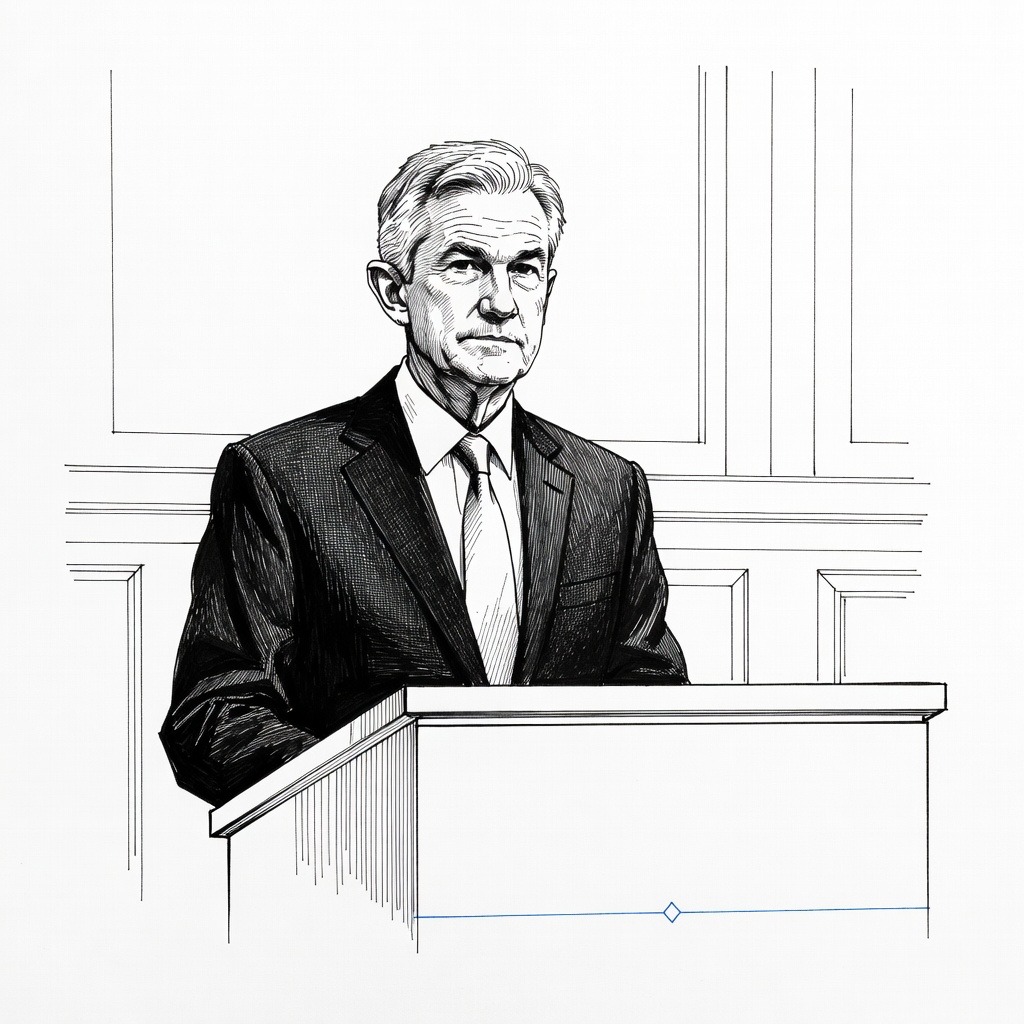
• Defend Independent Economic Oversight President Trump’s threat to dismiss Chair Jerome Powell over the slow pace of interest rate cuts is perceived as a dangerous failure to respect institutional boundaries. Powell’s pledge to remain as a governor and pro tem chair is championed as a necessary success that protects the economy from politically motivated interventions designed to artificially boost short-term metrics. The allegation that a DOJ investigation is being weaponized to force Powell's early resignation highlights a severe risk of executive coercion destabilizing long-term financial health.
• Reject Legislative Hostage Tactics Senator Thom Tillis’s blockade of all central bank nominees until the DOJ drops its building renovation probe is viewed as an unacceptable sabotage of the confirmation process. By stalling the impending May 15 leadership transition to obstruct a criminal investigation, this faction argues that vital economic oversight is being sacrificed to shield individuals from legal accountability. The overarching risk they fear is a chronically paralyzed Federal Reserve, leaving the public entirely vulnerable to unchecked market turbulence.
How it may affect me
As a U.S. reader:
• Executive pressure to accelerate interest rate cuts could reduce consumer borrowing costs and stimulate the economy in the short term, but this political intervention carries risks of destabilizing long term financial health.
• Ongoing political disputes and legislative blockades could temporarily paralyze the Federal Reserve, potentially leaving the public vulnerable to unchecked market turbulence and delayed economic guidance.
• The potential confirmation of a central bank leader with temporarily undisclosed financial holdings introduces risks of corporate conflicts of interest, which could influence future monetary policies and national economic oversight.