
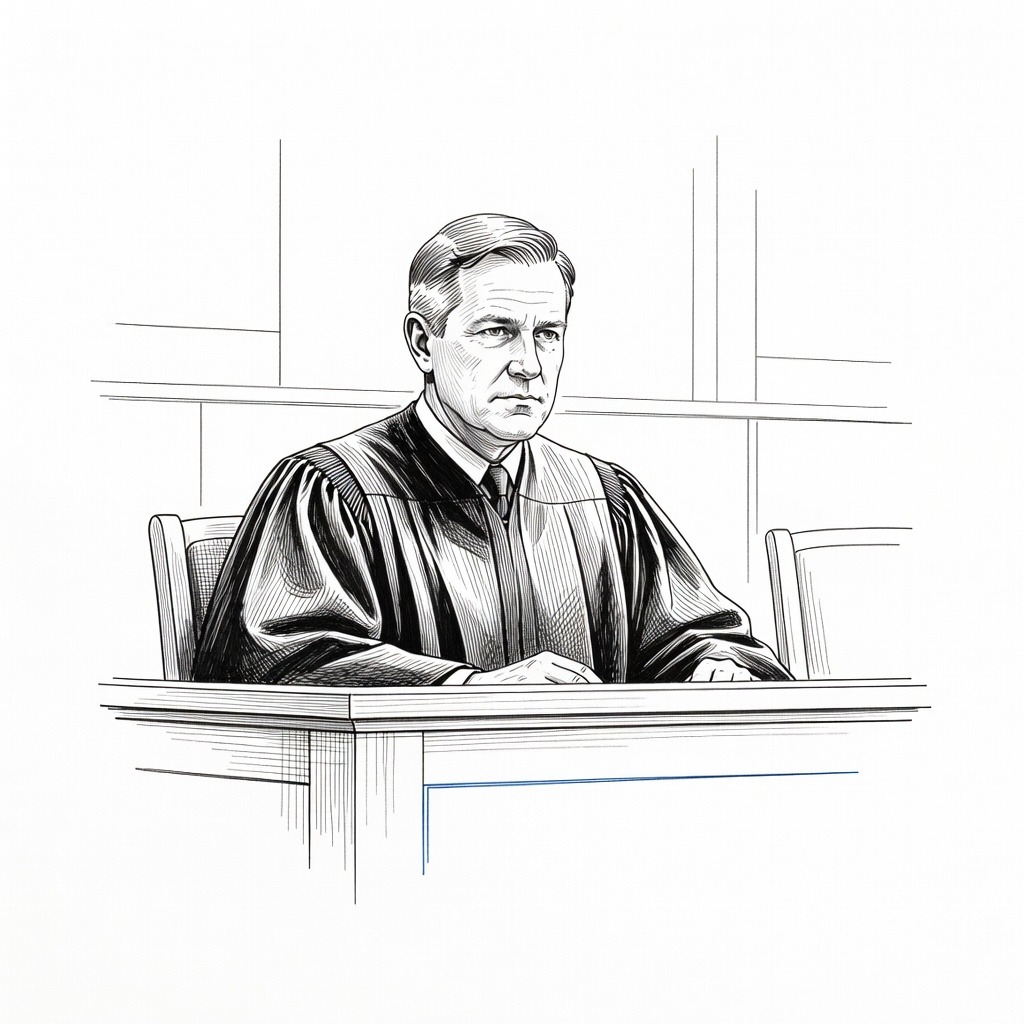
• Enforcing Constitutional Power Separation The executive branch cannot unilaterally mandate massive infrastructure projects without legislative consent. By halting the 90,000-square-foot ballroom due to a lack of congressional approval, Judge Richard Leon firmly reinforces essential checks and balances. This ruling prevents the administration from bypassing the legislative branch's power of the purse to construct vast new additions to the executive seat.
• Defending Democratic Historical Stewardship The White House is a shared public monument, not a private residence to be freely modified by its temporary occupant. Following the demolition of the East Wing last year, the National Trust for Historic Preservation rightfully intervened to halt further unilateral alterations. The judicial decree treats the president strictly as a temporary steward, ensuring the civic and historical integrity of the property is shielded from executive overreach.
• Piercing the Security Pretext Administrations frequently attempt to use "national security" as a blank check to circumvent established legal and structural regulations. By meticulously allowing necessary below-ground military facility work while freezing the above-ground ballroom, the court successfully separates legitimate safety needs from unauthorized architectural expansions. This precise legal boundary ensures a massive surface-level construction project is not smuggled through a vital security loophole.
How it may affect me
As a U.S. reader:
• In the short term, the physical state of the White House as a shared public monument will remain altered and inaccessible due to the halted replacement of the recently demolished East Wing.
• Broader national security could face potential vulnerabilities during the legal process if dividing the above-ground and below-ground construction compromises integrated protections for the president and sensitive military facilities.
• In the long term, this ruling establishes that major structural modifications to the executive seat require congressional approval, ensuring the legislative branch maintains oversight and power of the purse over massive infrastructure additions.