
• Weaponizing Basic Human Survival The deliberate destruction of residential buildings and energy infrastructure in cities like Mykolaiv and Kherson represents a calculated violation of international humanitarian law. By striking an 18-story apartment block and leaving civilians without power, the Russian offensive explicitly targets non-combatant populations to engineer widespread psychological and physical suffering. This tactic reduces civilian life to a strategic bargaining chip, underscored by the tragic deaths of 16 individuals, including a 12-year-old child.
• Tragic Futility of Escalation The reciprocal exchange of nearly 1,000 drones overnight highlights the catastrophic human toll inherent in endless military escalation. While Moscow targets Ukrainian cities, the counter-barrage resulting in civilian deaths and damaged schools in Tuapse, Russia, demonstrates that cross-border violence universally degrades public safety. This militarized feedback loop inherently shifts the brutal burden of war onto defenseless populations on both sides rather than advancing a sustainable, diplomatic resolution.
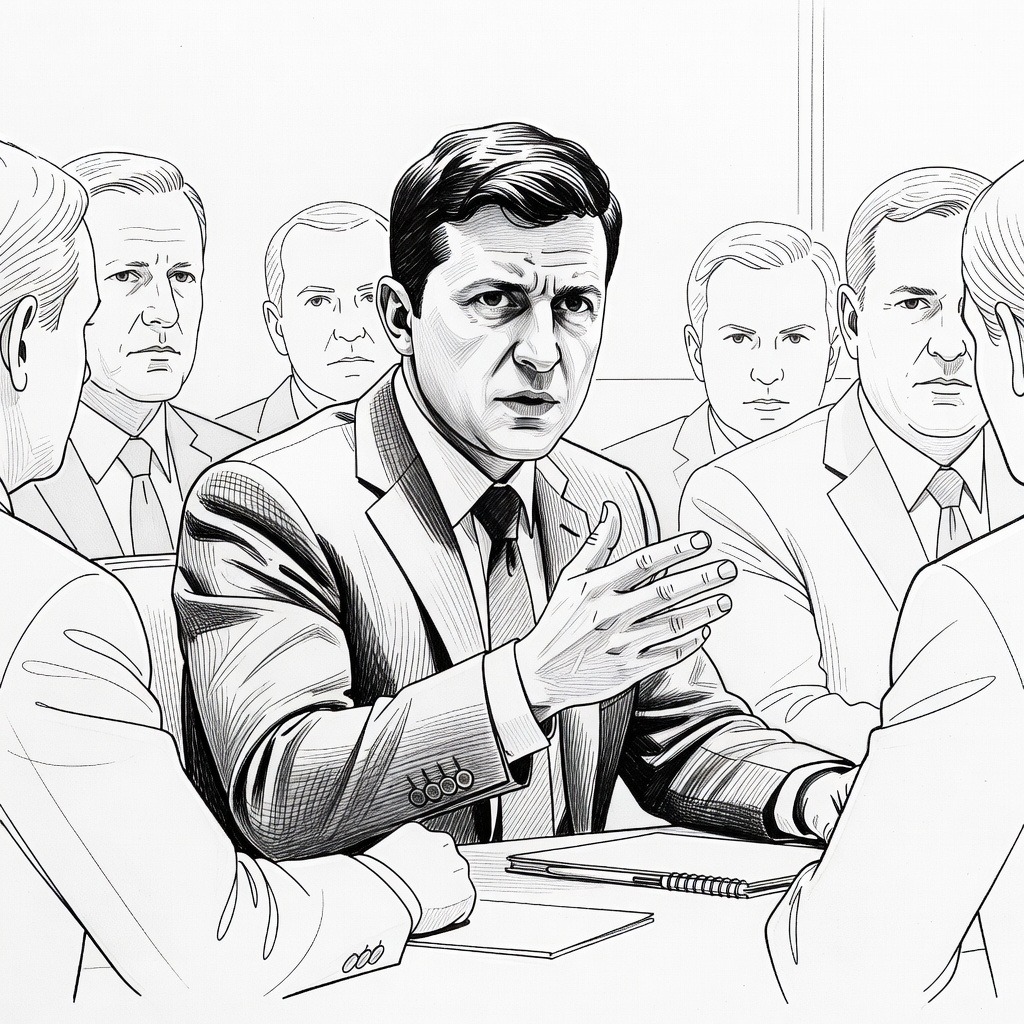
• Sanctions as Non-Lethal Deterrence Zelenskyy’s plea to maintain global sanctions aligns with the imperative to use economic statecraft rather than purely lethal means to constrain aggression. European Union condemnations and sustained economic isolation serve as vital tools to hold Moscow accountable for targeting civilians without contributing directly to the battlefield death toll. Prioritizing coordinated financial pressure over endless armed escalation offers the most viable pathway to ultimately stopping the violence and protecting vulnerable populations.
How it may affect me
As a U.S. reader:
• Based on the provided text, there is no significant, direct impact expected for the general public in the United States, as the immediate consequences are limited to regional casualties, infrastructure damage in Eastern Europe, and broader international diplomatic and defense strategies.