
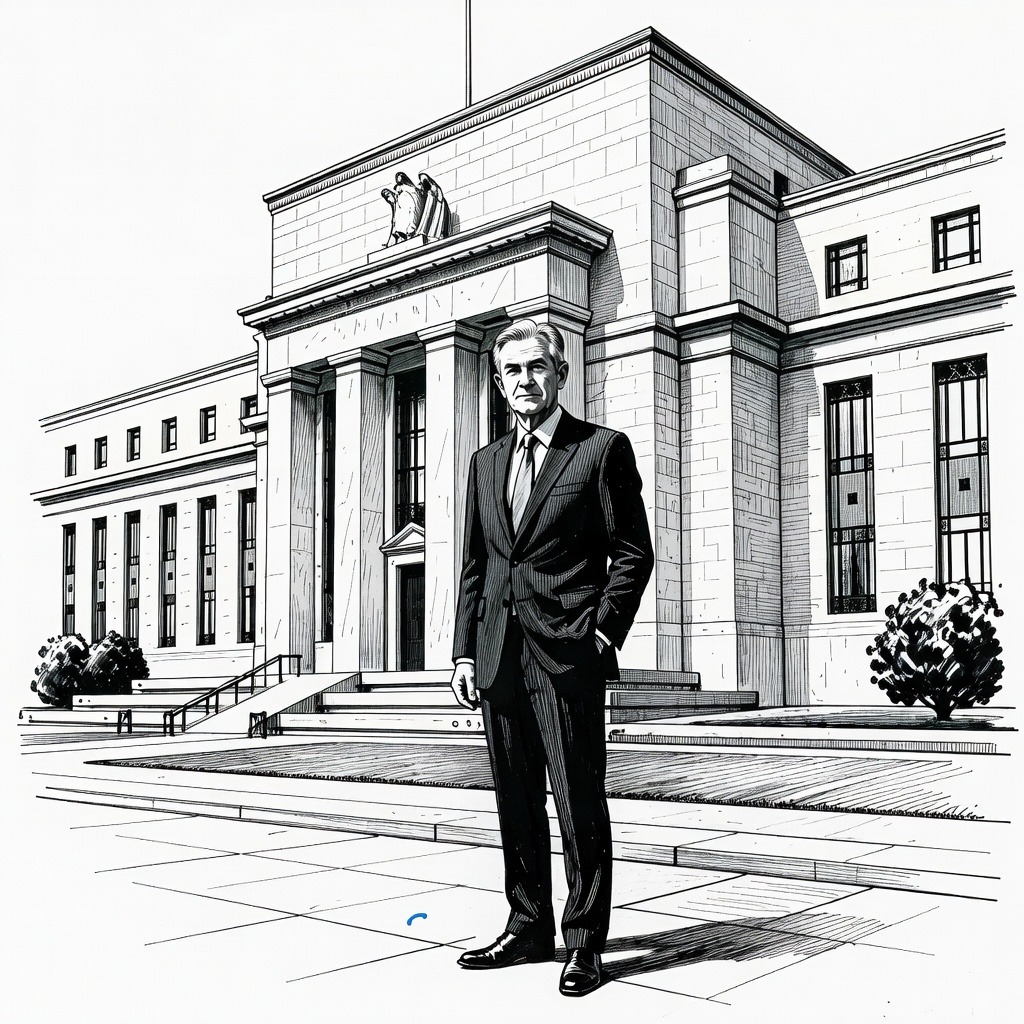
• Shielding Institutional Independence This framework prioritizes the strict separation of monetary policy from partisan political pressure. The federal judge’s ruling that the Justice Department probe is a "pretext" to coerce Powell or force his resignation validates deep concerns over executive overreach. By openly threatening termination due to a refusal to lower interest rates, the president is viewed as attacking the critical firewall designed to protect the national economy from short-term political manipulation.
• Weaponizing the Justice Department Government accountability dictates that federal law enforcement must never be utilized as a tool for political retribution. Prosecutors continuing to investigate headquarters cost overruns after a federal judge explicitly quashed their subpoenas for lacking evidence is interpreted as a gross abuse of state power. This faction sees the ongoing presence of prosecutors at the Federal Reserve not as a genuine legal pursuit, but as a manufactured cudgel designed to harass and intimidate a public official.
• Gamble on Constitutional Precedent The pending Supreme Court case regarding the president's authority to fire a central bank chief represents a defining structural risk. If the executive branch is permitted to remove a Federal Reserve chair without demonstrating concrete, serious wrongdoing, it fundamentally shatters congressional oversight and agency autonomy. The long-term fear is the total erosion of checks and balances, transforming historically independent regulatory bodies into direct, subservient arms of the Oval Office.
How it may affect me
As a U.S. reader:
• You may see changes in everyday interest rates, as the executive branch is actively pressuring the Federal Reserve to lower rates to align with the administration's broader economic vision.
• The national economic system could experience short-term administrative gridlock and leadership uncertainty, as lawmakers block the confirmation of the central bank's next chair until the ongoing investigation is resolved.
• A pending Supreme Court case could create long-term structural changes to how the national economy is managed by deciding if the president can directly remove the head of the central bank, which would effectively end the institution's historical independence.
• You will witness a new precedent for government oversight, as the outcome will determine whether unelected financial regulators face strict legal scrutiny for alleged mismanagement or if the executive branch can use law enforcement to pressure independent agencies.